
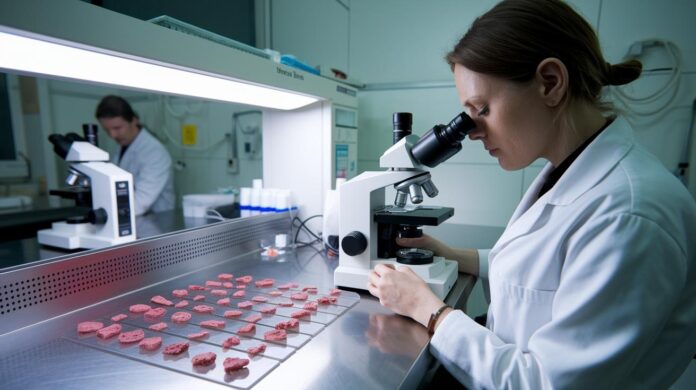

Have you ever wondered how experts figure out why your pet is feeling unwell? Veterinary pathology is like solving a mystery about your furry friend’s health. It’s a bit like putting together a puzzle where clues from blood, cells, and tissues help us understand what's really going on.
This careful lab work gets right to the bottom of why a pet might be sick, giving them a better chance to get back on their paws. Next, you'll learn about the fascinating methods that help veterinarians uncover the true causes of disease in our beloved animals.
Core Principles of Veterinary Pathology and Disease Investigation
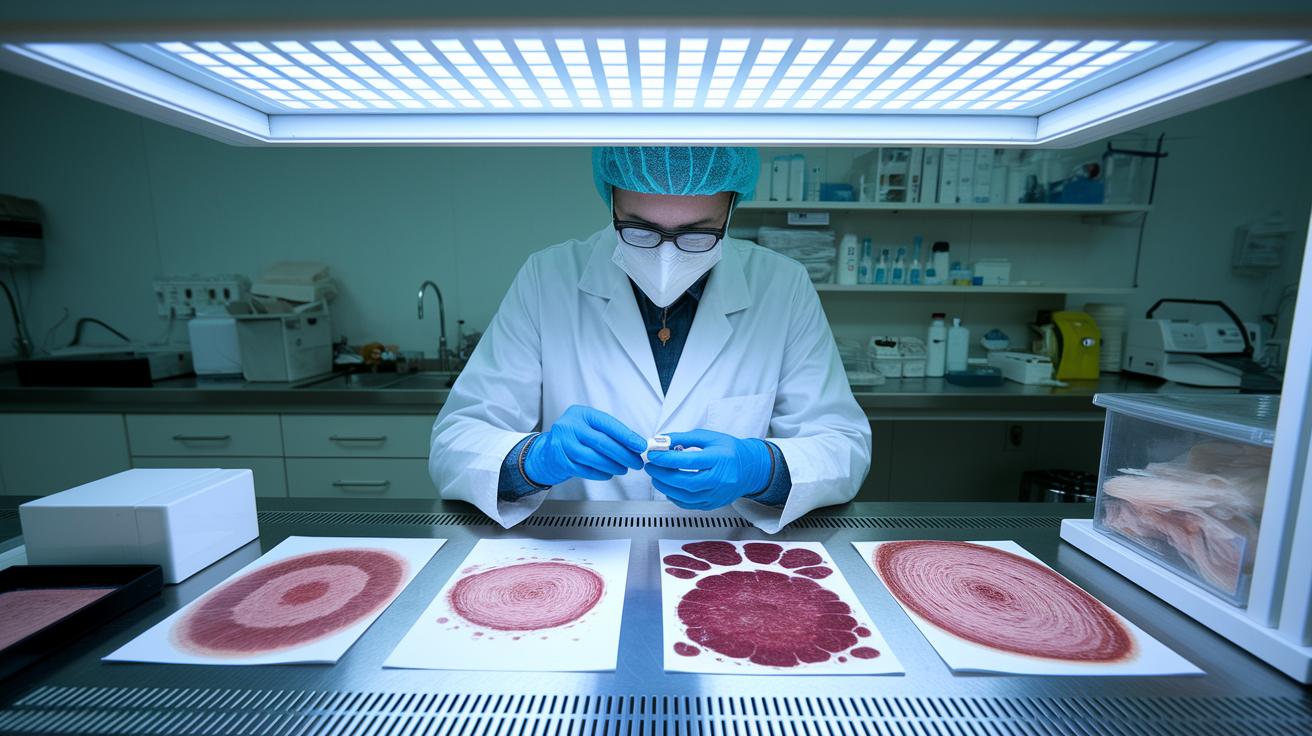
Veterinary pathology is all about understanding how diseases work in animals. It helps us learn how different illnesses affect our pets and wildlife. Think about it this way: before modern techniques came along, scientists could only guess how an infection changed animal tissues. Now, they use detailed slide analysis to see those changes clearly.
This field covers several important areas. There’s hematology (the study of blood), cytology (looking at individual cells), histopathology (examining tissue structures), and bone marrow analysis. Each area helps us spot signs of disease in everything from a small pet to a wild creature. Simple steps like collecting samples correctly and preparing slides the right way are key for accurate diagnoses. For example, picking the right stain with methods like hematoxylin-eosin makes it easier for doctors to read the cell details.
Quality checks are really important in animal disease investigations. Labs use tried-and-true methods to make sure every slide and test is reliable. This careful work not only helps get the diagnosis right but also protects the health of our small mammals, birds, exotic pets, and wildlife by giving us trustworthy information.
Veterinary pathology keeps getting better with new methods, yet it stays true to the basics first set out by early pioneers like eClinPath. Every bit of research and investigation helps us understand our animal friends better and take better care of them.
Diagnostic Techniques in Veterinary Pathology
Histopathology Workflows
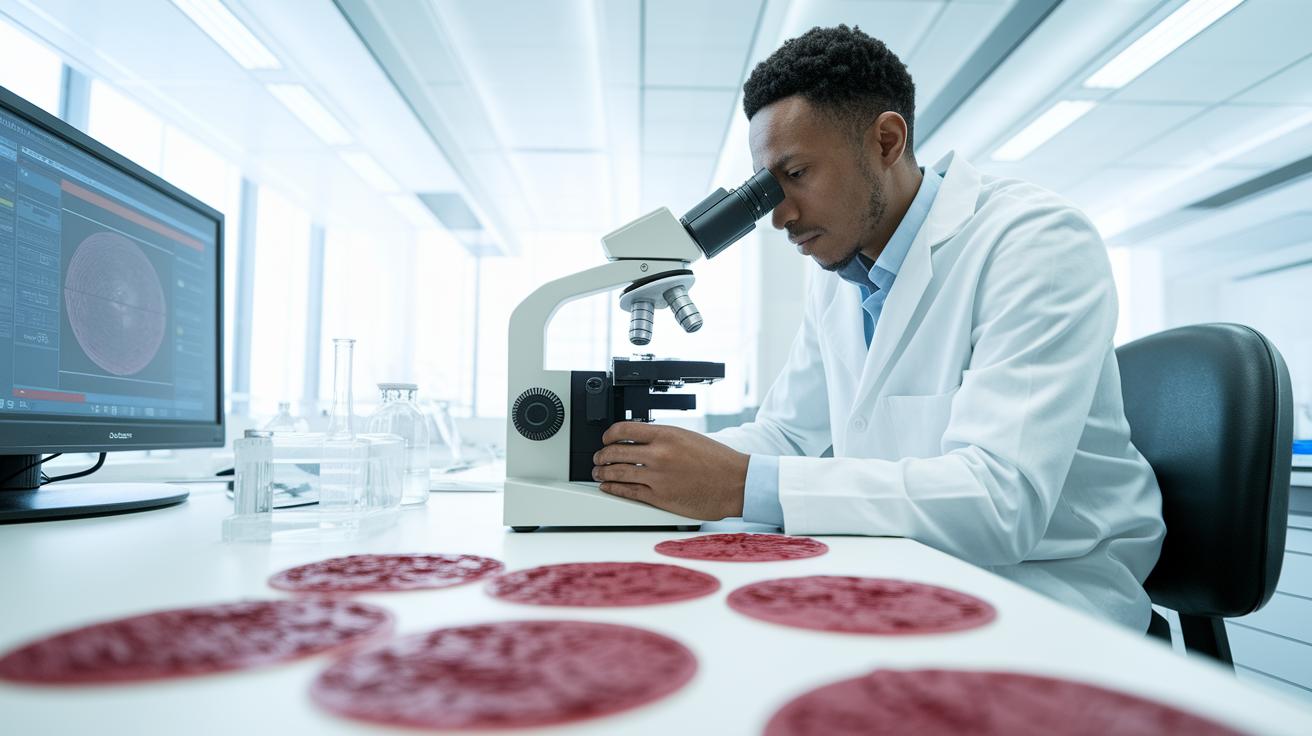
The first step in looking at an animal's tissue is to fix it using a solution that holds the cell structures in place. Once fixed, the tissue is processed and embedded in paraffin to support it. Then, a microtome slices the tissue into very thin sections so technicians can examine the details up close. These steps work together to keep all the tiny details clear.
After slicing, the lab picks the right stain, like hematoxylin-eosin or a special stain that can show minor cell changes. For example, a special stain might reveal details that a regular one could miss. This careful process ensures that every slide meets strict quality checks.
Molecular and Cellular Diagnostic Methods
Modern molecular techniques are very useful in confirming diseases. Labs often use PCR (a method that copies tiny amounts of DNA to help identify pathogens) and sequencing to read DNA from an infected sample. This approach pinpoints the exact cause of the illness so vets can plan the best treatment.
Along with molecular methods, cellular tests like flow cytometry examine individual cells based on their shape and chemical traits. Simple tests such as biomarker assays and immunohistochemistry (a method to see proteins in tissues using special dyes) add extra proof of disease. It’s a bit like piecing together clues to see the whole picture.
Digital Imaging and Quality Assurance
Today, many labs use digital slide scanning and telepathology platforms so experts can check images from afar. Whole-slide imaging gives a detailed, zoomable view of tissue sections, making remote consultations possible. This digital shift speeds up the diagnosis and helps professionals work together, even when they’re in different locations.
Quality assurance is just as important throughout the process. Labs check for issues like hemolysis and lipemia (signals that blood has broken down or contains extra fats) and keep an eye on the sample’s acid-base balance. Even during virtual consultations, strict quality checks make sure the results are always reliable.
Veterinary Pathology Case Studies and Research Insights

Case studies give us a friendly look into the challenges and breakthroughs in animal health research. They show how diseases like West Nile Virus can damage brain cells (neuronal necrosis) and cause swelling (inflammation) in our pets. We also learn from stories about exotic animals facing tough issues like bone marrow failures or cats with liver problems (feline hepatic lipidosis) where too much fat builds up. Fun fact: Before he became well-known, Dr. Miller found a rare disease pattern in rescued foxes that changed the way we care for wildlife. These true stories help inform everyday vet care and spark new ideas for research and teamwork between labs and clinics.
| Disease | Key Pathological Findings | Reference |
|---|---|---|
| West Nile Virus | Brain cell damage and swelling | Smith et al. 2003 |
| Avian bone marrow failure | Low cell count in marrow, blood cell loss | eClinPath Challenge |
| Feline hepatic lipidosis | Fat-filled liver cells | Jones & Doe 2015 |
Many vets rely on detailed case reports and peer-reviewed journals to build a strong foundation in animal health care. Each case is carefully reviewed and added to a growing library of valuable knowledge. By sharing clear observations in well-written articles, vets can compare new findings with past data. This teamwork makes finding the right diagnosis easier and sparks ideas for future studies.
Updated research and regular challenges, such as those in the eClinPath diagnostic section, help us learn more about how diseases work. These records do more than confirm our current methods, they serve as useful guides for seasoned professionals and new pathologists alike. Keeping good records drives progress in diagnostic techniques and, in turn, leads to healthier pets.
Sharing these stories builds a bridge between research and real-world treatment. It keeps the conversation open between labs and clinics and helps every vet stay ready for new challenges.
Educational and Training Resources for Veterinary Pathology

ACVP is a fantastic resource if you’re dreaming of a career in veterinary pathology. They provide updates for both Phase I and Phase II exams, handy candidate handbooks, and clear instructions on how to apply. These tools are all about making the certification process simple so you can focus on growing your skills and caring for animals. One candidate mentioned how the straightforward, step-by-step guide in their exam handbook completely transformed their study habits.
The training support covers a wide range of needs. The website explains ADA accommodations (help for people with disabilities) and job task analyses (detailing what each job involves) so that every future pathologist gets the support they need. They also offer externships (on-the-job training) and fellowships, with scholarships available for student externs, giving you a chance to gain practical experience. Their annual meetings bring together experts and learners, with downloadable materials, registration details, and travel and dining tips to make planning a breeze.
You can also boost your skills with online textbook add-ons like eClinPath, which breaks down complex topics into everyday language. Regular webinars, interactive workshops, and conferences provide ongoing education in pathological sciences. These sessions are a great way to stay updated on new developments, connect with peers, ask questions live, and even explore new diagnostic techniques in a friendly and relaxed setting.
- ACVP exam updates and easy-to-use candidate handbooks
- Externship and fellowship opportunities with scholarship options
- Online courses and extra support materials, including eClinPath
- Live webinars, engaging workshops, and conferences for continuous skill development
Career Pathways and Certification in Veterinary Pathology

Residency and Board Certification
Many future veterinary pathologists start out by gearing up for Phase I and Phase II exams. These tests mix real-life, hands-on lab work with lots of book learning, so you learn both the practical and the theory side of things. As you prepare for board certification, you dive deep into learning about animal diseases and the reasons behind them. Plus, volunteer programs and mentorships give you a chance to team up with seasoned pros, boosting your confidence while you pick up real-world diagnostic skills.
Job Markets and Salaries
Recent data from the ACVP 2023 Salary and Benefits Survey shows that pay can vary a lot depending on whether you work in academia, government, industry, or private labs. Each field has its own perks and chances to grow. Nowadays, many pathologists are also exploring telepathology, where experts share their advice and case studies online. This modern twist not only widens the job market but also helps balance the heavy workload many face. Whether you see yourself working in a traditional lab or from a remote spot, there are plenty of career avenues in animal pathology to explore.
Innovations and Future Directions in Veterinary Pathology

New technology is changing how vets look into animal diseases. Digital slide scanners create clear, fast images so experts can notice tiny details almost instantly. Picture a lab that scans a slide in seconds, uncovering details that once might have gone unseen. AI now helps spot patterns and odd spots with impressive precision, leading to quicker diagnoses. Machines that automatically apply stains make sure cell markers stand out clearly every time.
Multispectral imaging is another breakthrough. It captures tissues in many wavelengths at once, showing more details than regular light can. This extra layer of information sharpens the accuracy of diagnoses. And imagine a scenario where a specialist in one state can offer advice to another, all in real time through virtual pathology platforms. It’s like having a knowledgeable friend just a click away.
These tools and systems are paving the way for faster, more reliable results in vet pathology. When traditional methods blend with these modern innovations, labs can improve accuracy and work more efficiently, ensuring our animal friends get top-notch care.
Final Words
In the action, this post broke down the core principles and diagnostic techniques used in veterinary pathology. We covered everything from sample collection and test interpretation to real-world case studies and evolving digital imaging. The discussion also touched on valuable training resources, career pathways, and innovative tools that are reshaping animal disease investigation. Each section built on the last, illustrating how careful analysis and continuing education combine to support pet health. Here’s to a future where every pet enjoys top-notch care and thriving health.
FAQ
What is a veterinary pathology book and where can I find a free PDF download?
A veterinary pathology book explains how animal diseases are studied and diagnosed. Some resources offer free PDF downloads, providing a handy guide on sample collection, stain techniques, and quality checks.
What is a veterinary pathology journal?
A veterinary pathology journal publishes peer-reviewed research and case studies about diagnosing animal diseases. These journals help professionals keep up with new techniques and clinical findings in the field.
What does a veterinary pathology degree entail and how long does it take?
A veterinary pathology degree involves rigorous training in disease investigation and diagnostic techniques, often requiring board certification. Completing the program, which includes internships and residencies, can take around eight to ten years.
What does a veterinary pathologist do?
A veterinary pathologist studies animal tissues and test results to diagnose diseases. Their work includes reviewing lab slides and using advanced tests to determine the cause of illnesses in various species.
How much do veterinary pathologists earn?
Veterinary pathologists earn competitive salaries that differ by experience and workplace. Their compensation reflects the specialized skills needed to interpret complex diagnostic tests and contribute to animal health research.
Are veterinary pathologists in demand?
Veterinary pathologists are in demand, as their expertise is essential to veterinary hospitals, research labs, and academic institutions. Their specialized role keeps animal health at the forefront of diagnostic care.
Where can I find veterinary pathology courses?
Veterinary pathology courses are offered online and at accredited universities. These courses cover key techniques and latest diagnostic methods, supporting continuous education and professional certification.
Where can I locate veterinary pathology experts near me?
Veterinary pathology experts can be found at local veterinary hospitals, diagnostic labs, or university-affiliated clinics. Checking with local veterinary associations or professional networks may also help locate nearby specialists.