



Ever thought that a little change in how you care for your pet might bring more peace to your day? Try paying attention to those small signals, a wagging tail, a gentle paw tap, or a soft purr. These subtle signs show what your furry friend needs without saying a word.
In this article, we share two simple tips to boost your pet’s wellness and strengthen your bond. Taking just a few mindful moments during daily routines can help both you and your pet feel more relaxed and balanced.
Comprehensive Mindful Pet Care Practices That Boost Pet Wellness
Mindfulness is an age-old practice that helps you stay completely present without judging your thoughts or feelings. When it comes to taking care of your pet, it means really watching how your pet acts during your daily routines. Have you ever noticed how your pet’s wagging tail or relaxed posture can say so much? This type of mindful attention, similar to methods like mindfulness-based stress reduction (MBSR, which helps lower stress), has been shown to ease anxiety and promote calm for both you and your furry pal.
Regular mindfulness can boost your mood, sharpen your focus, and even improve how your brain works. For example, when you quietly observe your pet and respond with gentle care, it might help lower blood pressure and ease chronic discomfort. In simple terms, carving out peaceful moments for your pet can also bring you a sense of calm and balance.
You can start adding mindful pet care to your routine with just a few small steps. Try setting aside a moment during feeding or grooming to fully connect with your pet. Notice the way their tail wiggles, feel the softness of their fur, or tune in to a subtle change in their breathing, much like you would do during a brief meditation. These little moments help lower stress hormones like cortisol and boost serotonin, which lifts your overall mood. By making these mindful practices a regular part of your day, you’ll create a more relaxed home and strengthen the beautiful bond you share with your pet.
Integrating Mindful Nutrition into Your Pet’s Diet

Watch your pet during mealtime and notice all the little signals they give. A soft sound or a gentle nudge often tells you if they’re hungry or feeling satisfied. Paying attention to these small cues helps you match their feeding to their needs. Look closely at their body language, ears rising or a change in tail movement can mean they’re ready to eat or have had enough. For example, when my dog sits patiently and wags his tail before eating, I know he’s just the right level of hungry.
Set regular meal times to help your pet digest better. Using a slow-feed bowl can make eating more steady, which means less gulping and a smoother tummy experience. When picking food, go for choices that are packed with nutrients and are as natural as possible. This kind of food gives your pet steady energy and helps keep their mood balanced.
Try making a simple routine where you check the food quality and measure out the right portions, almost like doing a quick mindfulness check each time you feed your pet. Then, take a moment to reflect on how your pet ate and whether any changes might be needed. This cycle of watching, adjusting, and responding not only aids in healthy digestion but also deepens the bond you share by honoring your pet’s unique signals.
Mindful Stress Management Techniques for Pets
Managing your pet's stress is key because a calm space helps reduce the stress hormone cortisol. When your furry friend feels safe, they show more relaxed behaviors and enjoy better overall health. Creating a comforting area with gentle sensory tools, like a hint of lavender or a quiet corner, can really boost their sense of security. Plus, sharing these mindful moments together builds an even stronger bond between you two.
- Aromatherapy: Diffuse a light lavender scent, which studies have found helps ease pet anxiety.
- Soft music: Play gentle tunes or nature sounds to slow your pet’s breathing and encourage relaxation.
- Massage: Use soft, slow strokes to improve blood flow and ease muscle tension during quiet time.
- Sensory toys: Provide interactive toys that grab your pet’s attention, offering a fun way to divert from stress.
- Quiet retreats: Set up a regular, peaceful spot in your home where your pet can relax without disturbances.
Adding these simple techniques to your daily routine can create a more balanced and nurturing environment for your pet. Spending just a few extra minutes on these calming practices might seem small, but it can make a huge difference in helping your pet feel safe, calm, and truly loved.
Creating Mindful Environments for Pet Calm and Wellness
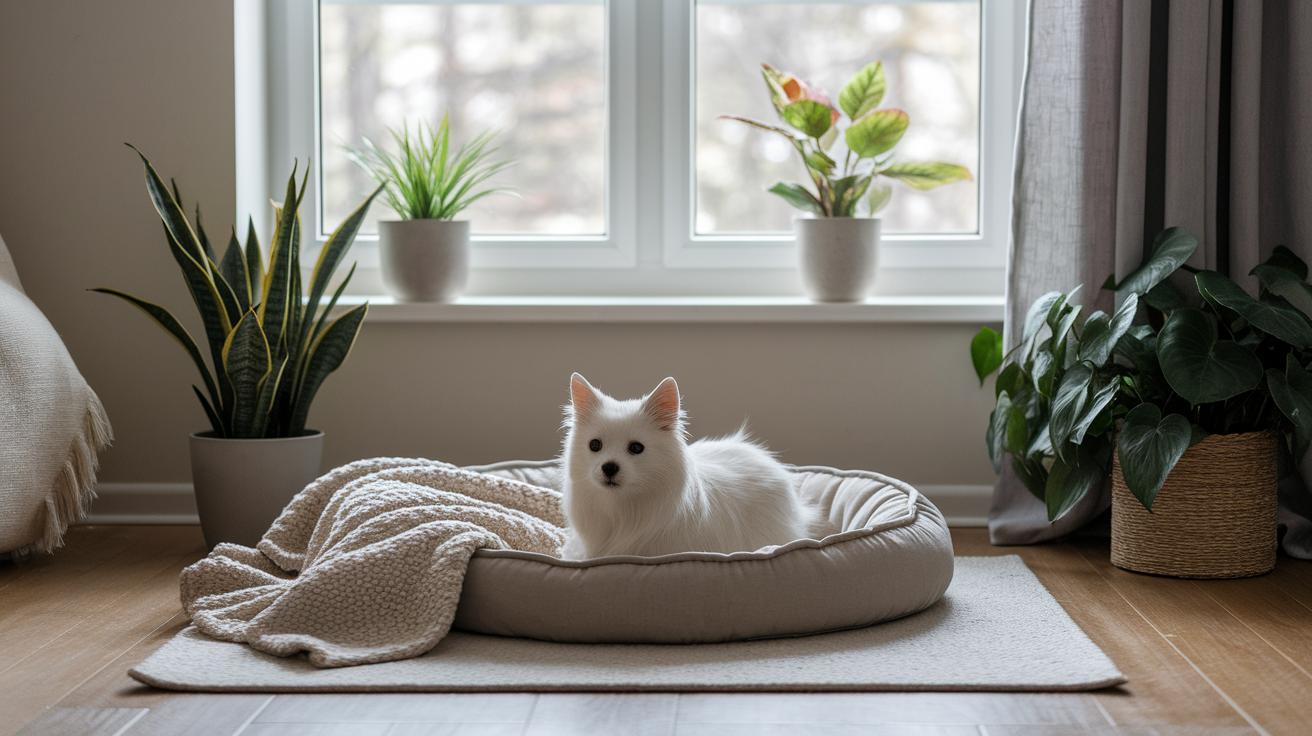
Creating a peaceful space for your pet starts with keeping things tidy. A cozy bed, a soft blanket, and clear surfaces can turn a room into a safe haven. Natural light streaming in, a few well-placed houseplants, and neutral colors help brighten up the area while setting a calm tone. Soft fabrics and gentle breezes can remind your pet of the outdoors and help ease any worry. It’s like carving out a little oasis for your furry friend right at home.
| Environment Element | Wellness Benefit |
|---|---|
| Clutter-free spaces with cushioned beds | Makes your pet feel secure and at ease |
| Natural light and houseplants | Boosts a calm and balanced mood |
| Sunlit spots and soft breezes | Brings a touch of nature indoors to soothe and refresh |
Adding these simple touches to your pet’s routine helps build a mindful environment that supports their wellness. It’s a kind of design that not only comforts your pet but also promotes a healthy, happy lifestyle for them.
Mindful Exercise and Enrichment for Enhanced Pet Well-Being
Turning playtime into mindful exercise is a sweet way to bond with your pet and find calm together. Imagine taking a slow, mindful walk where you match your breathing to your pet’s steady steps. When you’re at a quiet park, focus on your breath while you notice your pet’s pace. This simple act can ease stress and turn each step into a calming mini-meditation. Picture walking slowly as you both enjoy the whisper of leaves and a light, cool breeze, making every moment a shared, peaceful experience.
You can also bring mindfulness into other play activities. Whether you’re on a hike or having fun at the park, nature helps engage all your senses, which can boost your mood and relieve tension. Take a moment to admire the bright colors of flowers, listen to soft bird songs, or savor the unique scents floating in the air. You might even try doga, a gentle kind of pet yoga, where you do soft stretches while your pet relaxes by your side. This cozy moment encourages both flexibility and a balanced mood. These mindful practices set a gentle pace that keeps you and your pet feeling fit, calm, and connected.
Practical Mindfulness Practices in Daily Pet Care Routines

Start your morning by taking a quick three-second pause. Close your eyes for a moment and feel the rhythm of your pet’s breathing, a gentle rise and fall of their chest that helps you ease into the day.
Before you dish out their food, take a brief moment to notice little signals. Is your pet tilting their head or giving you a focused look? A simple alert on your phone can remind you to check these small cues without skipping the moment.
When you take a break around midday, spend two minutes quietly watching your pet. Sit nearby and notice simple details like an ear twitch or a soft sigh. These tiny gestures can tell you a lot about their mood and energy. It’s a small ritual that deepens the silent bond you share.
At the end of the day, find a quiet moment to reflect on what happened. Think about any small changes in behavior that might show signs of stress or extra relaxation. Jot down these notes in your phone or notebook; they might just help you plan a better routine for tomorrow.
| Time of Day | Mindfulness Activity |
|---|---|
| Morning | Take a three-second pause to notice your pet’s breathing and calm state |
| Mealtime | Observe subtle cues like head tilts or focused looks before serving food |
| Midday | Spend two minutes sitting close and watching for ear twitches or soft sighs |
| Evening | Reflect on any behavioral changes and note them for tomorrow’s care |
Mindful Pet Grooming and Health Check Practices
Taking your time to brush your pet slowly is a simple way to check on their health. As you carefully run your hand through their fur, feel for any unusual bumps or raw spots. Every stroke is not just about cleaning, it’s like a quick body check that can catch skin issues early.
When you groom, don't forget to have a gentle look at their ears and teeth too. A calm peek can help spot the beginnings of infections or other problems. This extra care helps keep your pet's ears and mouth healthy and shows them they are loved.
After grooming, why not try a short massage? Soft strokes on the neck and shoulders can ease tired muscles and relax your pet. This kind touch not only soothes them physically but also strengthens the trust between you, turning everyday grooming into a warm moment of care.
Building a Mindful Bond Through Positive Behavior Training

Recognizing Calm Cues
When your pet is feeling relaxed, they show it in little ways. You might notice soft ears, a slow blink, or a gentle wag of the tail. These are signals that your pet feels safe and calm. A kind word or a small treat right away helps them know they’re doing a great job. For example, if your cat’s eyes are half-closed in contentment, a soft pat lets them know that calm moments are special.
Patience-Based Reinforcement
Try waiting a few seconds before giving a treat when your pet shows a calm, focused look. This little pause works like a mini exercise in self-control. It helps your pet learn to stay steady even if there’s something exciting around. This simple step not only builds their focus but also strengthens the connection between you two. Isn’t it wonderful how a tiny delay can make a big difference?
Quiet Command Techniques
Use a soft voice and slow, clear gestures when you guide your pet during training. Speaking gently reminds your pet to pay attention and helps them feel your calm energy. This approach eases any anxiety they might feel, making it easier to remember what you taught them. In truth, these quiet commands build trust and set the stage for a peaceful, loving bond.
Final Words
In the action, we've explored different practical ways to bring mindfulness into your pet's daily routines. From mindful pet nutrition and stress relief techniques to creating calming environments and playful exercise, every tip aims to lower anxiety and increase happiness. Each mindful pet care practice for enhanced wellness builds on simple habits that create a soothing day-to-day life for your pet and you.
Stay positive and watch the calm grow. Let these insights spark joyful moments for both you and your furry friend.
FAQ
Frequently Asked Questions
What is mindful pet care and how does it improve pet wellness?
The mindful pet care means being fully present when caring for your pet. It lowers stress for both pet and owner, sharpens awareness, and strengthens your bond.
How do mindful nutrition habits impact my pet’s diet?
The mindful pet nutrition practice observes your pet’s eating signals and uses quality, whole foods. It helps slow down mealtime and eases digestion while boosting energy and calm.
What are some mindful stress reduction techniques for pets?
The mindful stress reduction techniques include using aromatherapy, soft music, gentle massages, and quiet retreats. They lower pet anxiety and help create an overall sense of calm.
How can I create a mindful environment at home for my pet?
The mindful pet environment involves clutter-free spaces with soothing textures, abundant natural light, and gentle airflow. It forms a secure area that supports relaxation and overall well-being.
What mindful exercises can I use to enhance my pet’s well-being?
The mindful exercise approach uses slow walks, nature outings, and gentle stretching like doga. It strengthens your connection, reduces stress, and may improve your pet’s mood.
How can I incorporate mindfulness into my daily pet care routines?
The mindful daily routines include brief check-ins during grooming, mealtime pauses, and quiet moments. They build trust, improve mutual awareness, and help lower stress levels over time.
How does mindful grooming benefit my pet’s health?
The mindful pet grooming involves slow, attentive brushing and careful inspections that reveal early signs of problems. It boosts circulation, relaxes your pet, and deepens your connection.
How does positive behavior training use mindfulness to help my pet?
The mindful behavior training uses calm rewards and soft voice commands. It reads your pet’s cues to lower reactive actions and strengthens communication, making your pet more relaxed.