



Ever thought about whether your pet feels as cozy and cared for as you do? Picture the delight when every meal, walk, and playtime fits perfectly into a daily routine that keeps your furry friend both cheerful and healthy.
Simple habits like regular feeding, a splash of playful exercise, and some gentle grooming can bring a wonderful balance to your pet's day. This friendly guide shares easy tips for building a routine that nourishes your pet's body and lifts their spirit.
Have you ever noticed how a little consistency can brighten your pet’s day? Keep reading to learn how these small changes can make a big difference for your beloved companion.
Core Components for Your Pet’s Balanced Wellness Routine
Creating a daily routine for your pet is like setting up a safe, cozy home for them. A regular schedule of meals, exercise, play, and rest can lower stress and boost good behavior. Just as we feel comfort in a predictable day, your pet enjoys the reliability too.
Let’s break it down:
- Nutrition & Hydration – Feed your pet quality food and offer fresh water at set times to keep their energy steady.
- Physical Activity & Play – Include daily walks, fun games, or even a little training; these keep them active and eager.
- Mental Stimulation – A few puzzle toys or short training sessions can keep their mind sharp and stave off boredom.
- Grooming & Hygiene – Regular brushing, nail trims, and coat care are key to healthy skin and overall cleanliness.
- Vet Checkups & Preventive Care – Routine visits to the vet help catch any issues early so they stay in top shape.
When you weave these steps into your pet’s everyday life, you create an atmosphere of trust and comfort. Each part of the routine, from mealtimes to play moments and grooming, not only keeps them physically fit but also reassures them emotionally. This steady pattern can lead to a happier, healthier life for your furry friend.
Pet Nutrition: Crafting a Domestic Creature Nutrition Guide
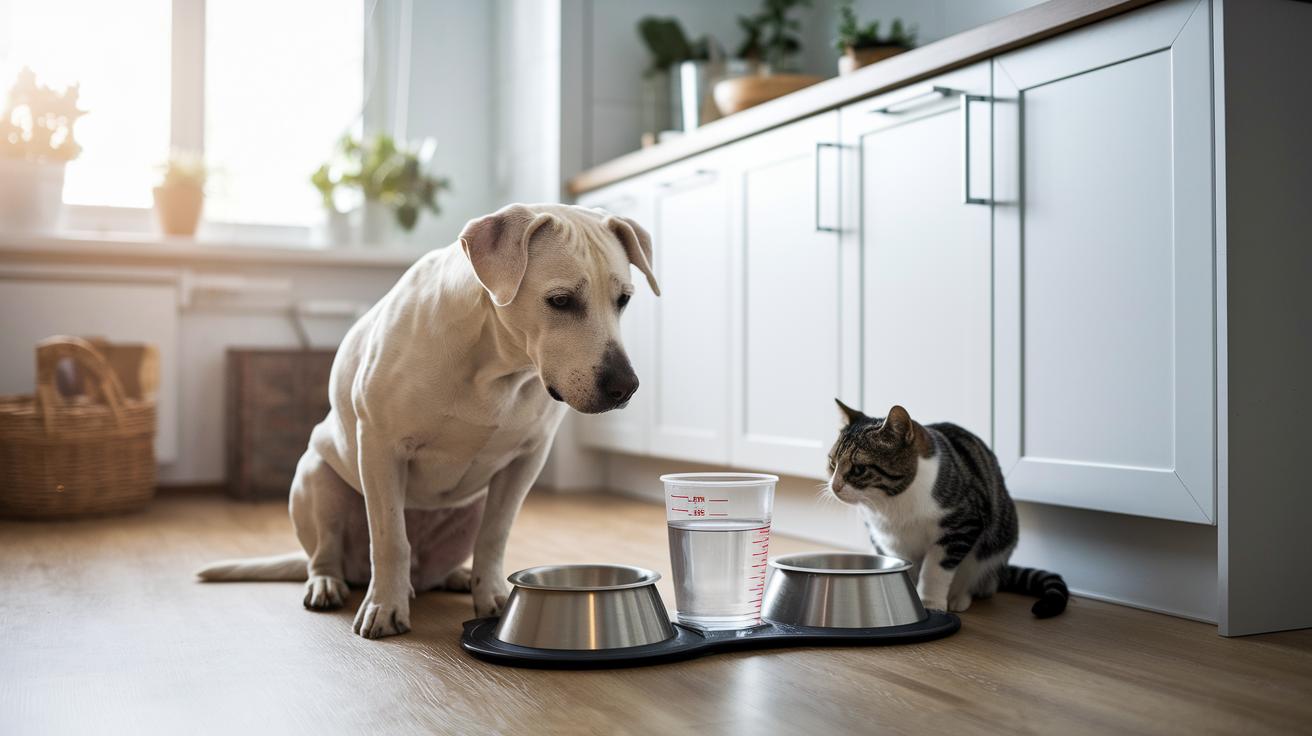
Pets do best when they have a regular feeding schedule that helps their digestion and keeps their energy steady throughout the day. Feeding them in the morning and again in the evening supports a steady metabolism and avoids overeating. And don’t forget to always give them fresh water since staying hydrated is key for smooth digestion and overall health. Many pet owners find that following a vet-recommended diet plan gives them a reliable routine to meet their furry friend’s nutritional needs.
Getting the portions right is just as important. Measuring meals carefully helps prevent obesity and ensures pets get steady energy. Mixing up nutrients in their diet keeps mealtime fun while meeting the unique needs of dogs and cats as they grow. It’s like having a simple plan: regular meals and sizes that match your pet’s age and growth. Check out this quick guide for meal times and portion ideas:
| Pet Type | Recommended Meal Frequency | Portion Size Guidelines |
|---|---|---|
| Puppies/Kittens | 3-4 meals daily | Smaller, more frequent meals |
| Adults | 2 meals daily | Balanced portions for their age and size |
| Seniors | 2 meals daily | Modified portions for a slower metabolism |
Some pet parents choose raw food diets to give their pets natural nutrients. However, these diets need extra care during preparation to lower the risk of bacteria. And if your pet has sensitivities, allergy-friendly choices can keep mealtime both safe and enjoyable.
Pet Fitness and Play: Furry Friend Fitness Plan Essentials
Every day, your pet needs a little movement, whether they're a playful dog or a curious cat. A quick morning walk and some fun play time in the afternoon can really keep your furry friend in top shape. Even a simple 10–15 minute burst of exercise can boost their strength and help manage their behavior. Picture your pet dashing about with a fun toy or learning a new trick, it’s like a mini workout for both body and mind.
Social time is just as important as physical exercise. Try setting up a playdate with another pet from the neighborhood or head to the park where your pup can run free and meet new friends. This kind of play not only helps burn off extra energy but also sharpens their focus and builds social skills. Each joyful bark or relaxed purr after playtime shows that your pet is thriving.
Even when days get busy, you can still fit in some exercise for your pet. A quick game of fetch indoors or a short training session between other tasks can keep them active without missing a beat. Consistent, little play sessions can make a big difference in keeping your pet engaged, happy, and healthy.
Mental and Emotional Wellness: Cognitive Enrichment Strategies for Your Pet

Taking care of your pet isn’t just about keeping them physically healthy. It also means giving their brain a little workout and making sure their feelings stay calm. Even spending a few minutes on fun, focused activities every day can ease anxiety and bring you and your pet closer together.
Puzzle and Toy-Based Activities
Toys like interactive feeders and treat puzzles offer more than a tasty surprise. They turn playtime into a mini-challenge for your pet’s brain. Try adding a 5-10 minute session of these fun puzzles into your pet’s daily routine. For instance, let your dog figure out a puzzle toy that makes earning a treat a small adventure. This simple activity helps sharpen problem-solving skills and turns an ordinary afternoon into a delightful bonding moment.
Calming and Mind-Body Exercises
A few calming exercises can really brighten your pet’s mood. A gentle massage not only eases muscle tension but also builds trust, almost like a warm, caring hug. You might also set up a short scent trail around your home or spend a few moments on mindful play, which can work like a little spa break. These soothing moments help lower stress and naturally ease anxiety, making your pet feel more secure and balanced.
Routine Veterinary Consultations as Part of Your Pet Wellness Routine
Regular vet visits are key to keeping your pet happy and healthy. Annual checkups let the vet look over everything, from a good physical exam and checking your pet’s teeth to running simple lab tests. These tests help catch little issues before they grow into bigger problems, and they include a quick look at your pet’s diet too.
The frequency of these visits should match your pet’s age. Young pets may need more checkups as they grow quickly, while adult pets usually do well with a yearly visit. Senior pets often benefit from seeing the vet every six months, since they have changing needs that need extra care. If you’re curious about different ways to care for your pet, you might want to check out a holistic pet wellness guide for more ideas.
Taking care of your pet with preventive measures can cut down on future health risks and even save some money in the long run. Vaccinations, parasite treatments, and other recommended preventives stop small issues from turning into serious ones. Regular vet visits give you peace of mind and help ensure your furry friend stays joyful and well.
Grooming and Oral Care: Hygiene Best Practices in Your Pet’s Wellness Routine

Keeping your pet groomed every week is a simple but important part of keeping them happy and healthy. Brushing your pet's fur, trimming their nails, cleaning their ears, and checking over their coat can help you spot any skin problems early and keep them feeling great. Imagine a relaxed Saturday morning where you spend a few minutes making sure no stray hairs are left behind, it could be the moment you notice a little irritation before it becomes a big issue. Having a regular day for grooming makes routine care feel natural and helps your pet look and feel their best.
Taking care of your pet's teeth is just as important as grooming. For dogs, a little brush every day can stop plaque from building up and help prevent gum disease (infections of the gums) from taking hold. Meanwhile, for our feline friends, offering a cat-safe dental chew a few times a week works wonders. Think about it: just after dinner, you spend a few minutes gently brushing your dog’s teeth. It's a small act that helps keep their mouth fresh and healthy over time.
Making grooming and dental care a steady part of your pet's life doesn't have to be tricky. Many pet owners pick a specific day for weekly grooming, like on weekends, and tie dental care to regular meal times. This kind of routine not only keeps your pet clean and healthy but also builds a comforting schedule that helps your pet feel secure and content at home.
Seasonal and Life Stage Adaptations in Your Pet’s Wellness Routine
Young pets like puppies and kittens have a lot of energy and need short, fun play sessions throughout the day. They love quick bursts of activity that match their playful mood. Older pets, however, do better with gentle activities that help ease joint discomfort. As our pets grow or settle down, it makes sense to adjust their routine so it fits their needs perfectly.
Seasons can change how your pet feels too. When it's hot outside, keeping your pet well-hydrated and letting them exercise in cooler spots really helps. In cold weather, it’s smart to care for their coat and find safe indoor games so they stay active and warm. A few small changes can keep your pet comfy and happy all year long.
| Season | Key Care Focus | Adjustment Tips |
|---|---|---|
| Spring | Allergy Management | Add outdoor play carefully |
| Summer | Hydration & Cooling | Keep fresh water and cool shaded spots available |
| Fall | Transition & Activity | Incorporate moderate exercise as the air cools |
| Winter | Coat & Warmth | Focus on indoor play and regular grooming |
Keep an eye on changes in the weather and your pet’s energy so you can tweak their routine to fit every season and stage of life.
Monitoring Care Progress: Tracking Wellness Benchmarks in Your Pet’s Routine

Keeping a simple daily journal of your pet’s habits can help you catch little changes early. Noting details like weight, exercise time, and meal sizes lets you see how your pet grows and feels over time. For instance, you might jot down, "Today, Max's tail was extra wiggly after his 15-minute walk," to show that his activity level matches his mood and energy. Such regular notes can even alert you to subtle health shifts you might only notice at the vet.
Here are five important things to track:
| What to Monitor | Why It Matters |
|---|---|
| Weight and Body Condition Scores | Helps spot changes in health |
| Daily Exercise Duration | Shows activity levels |
| Meal Portion Consistency | Ensures proper nutrition |
| Mental Engagement Sessions | Keeps your pet mentally sharp |
| Veterinary Exam Findings | Highlights any health concerns |
Reviewing these points with your vet can help you adjust and fine-tune your pet's daily routine. This means you can make small changes to keep your furry friend active, well-fed, and happy. Have you ever noticed how a little extra care can brighten your pet’s day?
Final Words
In the action, we've explored essential elements like nutrition and hydration, regular exercise and play, mental stimulation, proper grooming, and routine veterinary visits, all key steps supporting your pet’s well-being. Each section showed how small daily actions create confidence and lasting security. This guide helps you understand how to build a balanced wellness routine for your pet, blending care routines with seasonal and life stage adjustments. Remember, a steady pace and mindful care make your pet’s journey healthier and happier. Stay positive and keep cherishing those fun moments with your best friend.