



Have you ever thought about whether your pet is eating the best food for them? It might feel a bit scary to change their diet, but switching slowly can really pay off. Imagine putting on a cozy sweater on a chilly day. That is how smooth the change should feel for your furry friend.
Mix a little bit of the new food with the old food every day to help their stomach adjust. A good tip is to talk with your vet (a doctor for pets) who can share advice that fits your pet perfectly. And don’t forget to keep fresh water available at all times. With patience and a gentle transition, your pet may enjoy a happier and healthier life.
Comprehensive Strategy for Transitioning to an Optimal Pet Diet

Switching your pet’s food should be a gentle change that avoids upsetting their stomach. Start by mixing their current food with the new one. For the first two days, try a mix of 75% old food and 25% new food. It’s like slowly sliding into a cozy sweater on a chilly morning. This gradual approach helps your pet get used to new flavors without feeling sick.
Make sure fresh water is always available. Water is vital because it helps with digestion, especially when your pet is trying something different. Over the next 7 to 10 days, slowly adjust the mix until your pet is fully on the new food. This careful switch keeps stress off their tummy and makes the transition smooth.
It’s also a smart idea to talk with an AAHA-accredited veterinarian (that means a vet who has met high standards for pet care) before you change your pet’s diet. A vet, like one from a Cincinnati hospital, can check your pet’s health and design a custom feeding plan that meets all the AAFCO guidelines (standards for proper pet nutrition). This way, you know your pet is getting balanced and nutritious meals.
In short, blending foods slowly, keeping water handy, and getting expert advice creates a safe plan for changing your pet’s diet. Following these steps gives your furry friend the best start on a healthier, balanced diet.
Assess Your Pet’s Current Diet Before Optimizing Nutrition

First, take a close look at how your pet is doing right now. Studies show that about 56% of dogs and 60% of cats in the U.S. have a bit of extra weight. We call pets overweight when they are 10 to 30 percent above their ideal weight, and obese when they’re more than 30 percent over. Knowing where your pet stands is key to choosing the best nutrition plan.
A visit to your vet is a must to find out if there are any hidden health issues that could impact your pet’s diet. The vet might do a simple body check that looks at muscle tone and fat spread. This check helps you shape a tailored feeding plan that follows standard AAFCO rules (AAFCO is the group that sets pet food guidelines) and specific needs for your pet.
Remember, dogs and cats have different nutritional needs. Young, active pets often need foods with more energy, while older animals might do better with formulas that help support organs. For extra tips, you can look at the WSAVA Guidelines. Taking these steps ahead of time sets you up with a solid plan based on trusted vet advice, so your pet can enjoy long-term health.
Crafting a Gradual Pet Food Transition Timeline
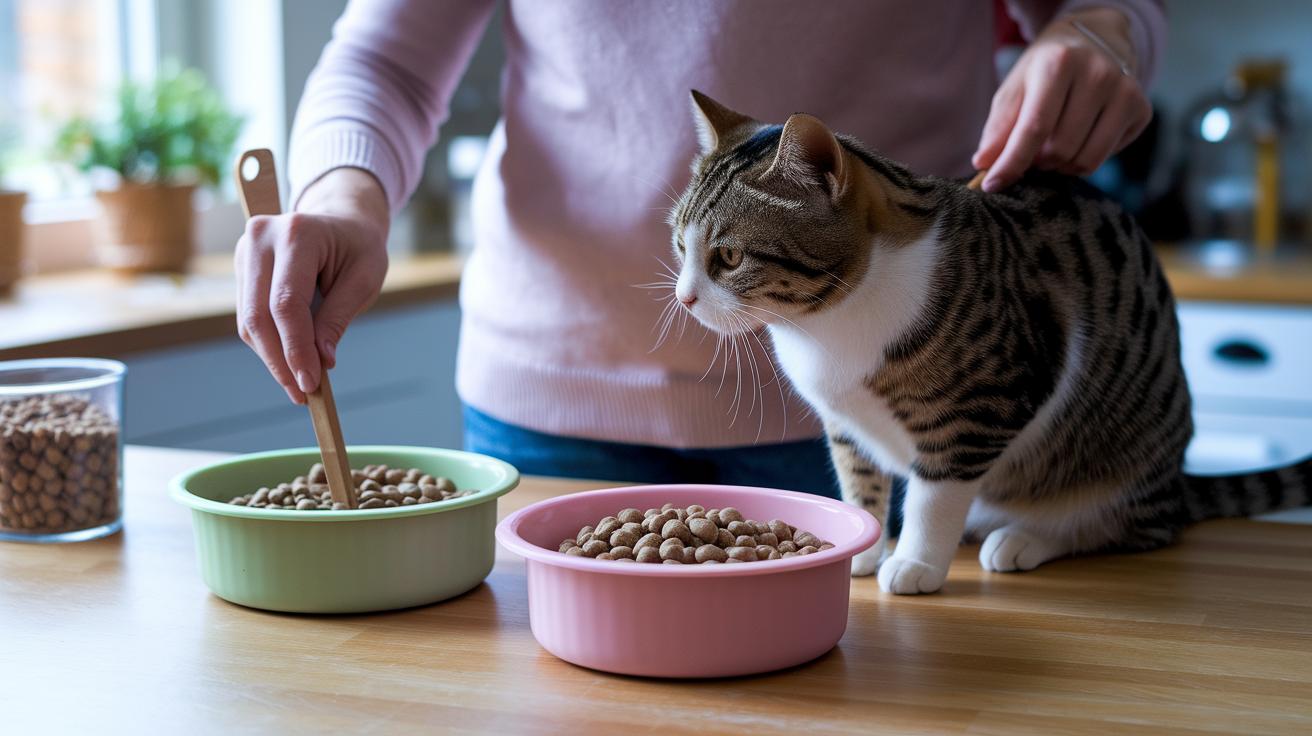
This guide explains a clear plan to gently change your pet's food. Follow the step-by-step schedule below and remember that keeping regular feeding times and plenty of water available can really support your pet's digestion.
| Day Range | Old Food % | New Food % | Notes |
|---|---|---|---|
| Days 1–2 | 75% | 25% | Ease into new food |
| Days 3–4 | 50% | 50% | Balanced mix |
| Days 5–6 | 25% | 75% | Higher ratio of new food |
| Days 7–10 | 0% | 100% | Full transition |
If your pet has a sensitive tummy, you might want to stretch this process to 14 days.
Did you know that before the set timeline, one pet owner noticed a big drop in tummy troubles just by making sure their pet drank water regularly?
Choosing High-Quality Ingredients for an Optimal Pet Diet
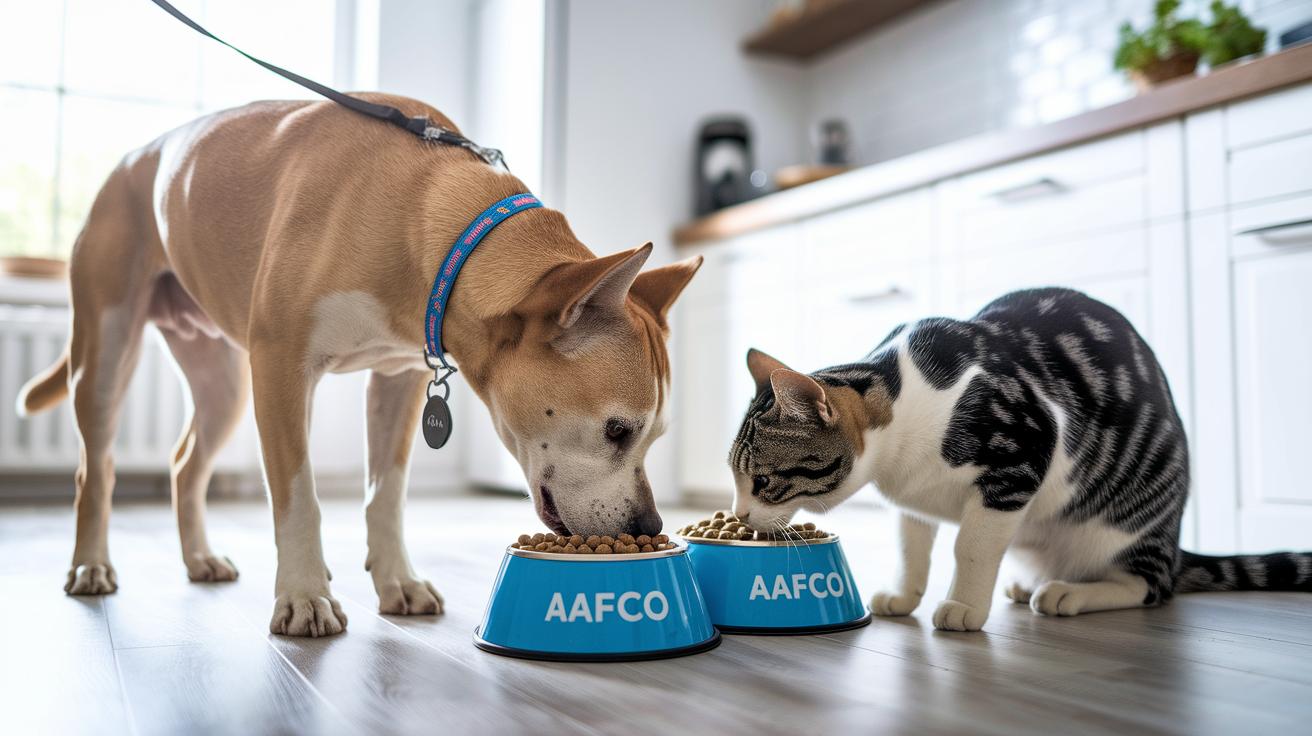
Picking out the right food for your pet really sets the stage for a healthy lifestyle. You want to choose foods that meet AAFCO standards (a set of guidelines that ensure proper nutrition) so you know your furry friend is getting everything they need. High-quality ingredients can really change the game, and trying natural or even organic options might be just what your pet’s health needs.
For example, lean proteins like chicken or fish help build and repair body tissues, while whole-grain carbs such as brown rice or oats provide steady energy you can count on. Fiber-rich foods like pumpkin or leafy greens support healthy digestion, keeping things running smoothly. Remember, essential vitamins like A, E, and B-complex, plus minerals like calcium and phosphorus, play a big role in overall body function and growth. And a raw ingredient diet can be a neat idea too since many raw foods naturally pack in water to aid hydration and digestion.
Below is a list of the top five ingredient categories that are important for a balanced pet diet:
- Lean animal proteins
- Whole-grain carbohydrates
- Fiber-rich vegetables
- Essential vitamin and mineral supplements
- Healthy fats (like fish oil or flaxseed)
Taking the time to choose these ingredients can boost energy, digestion, and even give your pet a shiny coat, a sure sign that you’re making a positive change.
Monitoring Your Pet’s Response Post-Transition

Keep an eye on your pet as they settle into their new diet. Notice if they have steady energy, a shiny coat, and regular, well-formed stools. These are all signs that they’re adjusting well. But if your pet seems lethargic or their coat looks dull, it might be a good idea to check the portion sizes or even review the ingredients.
Also, watch for any troubling reactions, like vomiting, too much gas, or quick changes in weight. These could mean the new diet isn’t sitting right with them. Doing a monthly check of their body condition can help you spot any gradual changes. And if you see anything concerning, don’t hesitate to call your vet to fine-tune their plan.
If you're looking for ideas on portion control or balanced meal recipes, have a look at some tips on balanced homemade dog food. Adjusting the amount of food based on how your pet is doing can keep their weight in check and their energy level just right. With regular check-ins and small tweaks here and there, you can help your pet thrive during this dietary switch.
Species-Specific Guidelines for Optimal Pet Diet Transition

Dog-Specific Transition Tips
When you change your dog's diet, start by adjusting calories based on breed and daily activity. High-energy dogs need a little extra fuel, while less active pups benefit from fewer calories to prevent weight gain. Puppies need special growth formulas to support their fast development, and older dogs might enjoy joint supplements that help with mobility and comfort. Giving your dog two or three smaller meals a day can help keep their energy steady. One pet parent shared, "We noticed our energetic Border Collie thrived when we adjusted his portions based on his busy playtimes." Always remember to tailor the change to what works best for your furry friend.
Cat-Specific Transition Tips
Cats have unique dietary needs because they are obligate carnivores (this means they rely on meat for essential nutrients). When switching a kitten's diet, mix in the new food gradually so they get enough protein and fat for healthy growth. Adult cats usually do best with multiple small meals instead of one large serving. If your cat is older, choosing formulas that support kidney function and offer the right amount of taurine can help avoid health issues. One pet owner said, "Watching my cat enjoy several small meals made the shift to a new diet much easier on her delicate system." Take your time with the transition and watch their eating habits closely to support overall well-being.
Maintaining Long-Term Success in Your Pet’s Optimal Diet
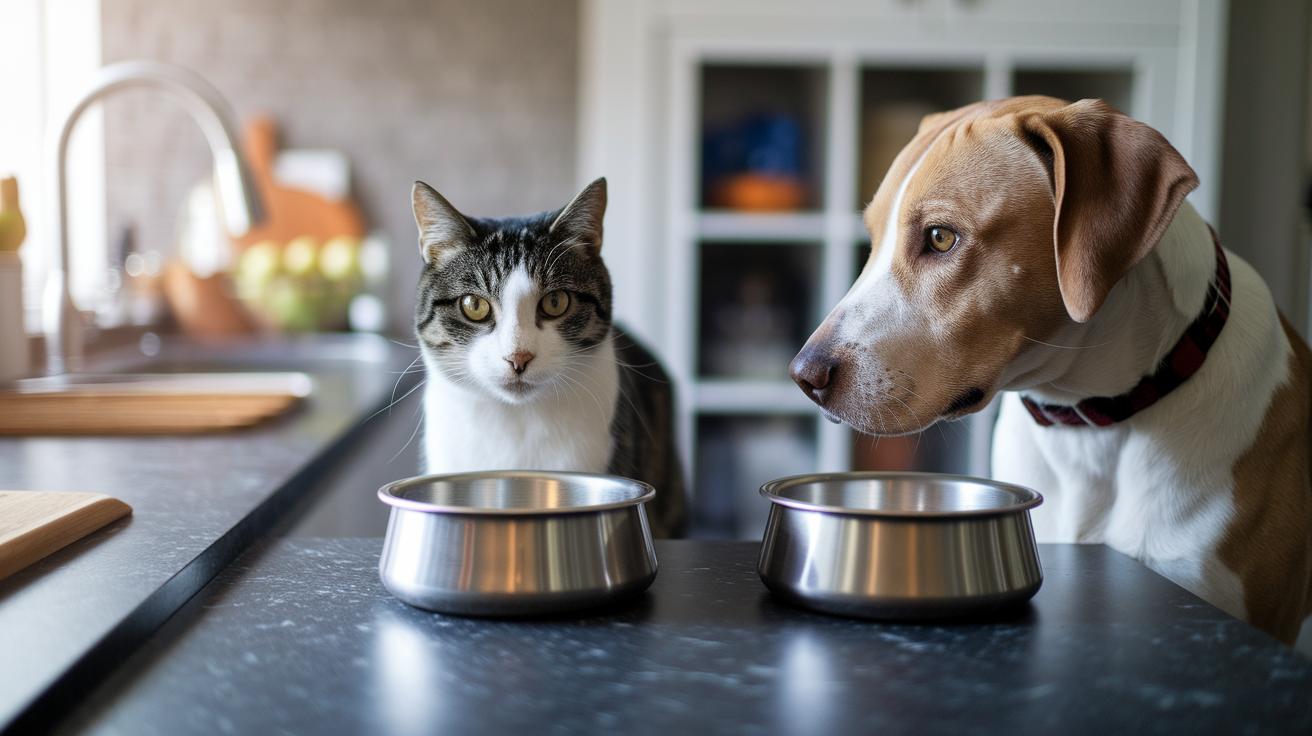
Your pet’s happy and healthy life really starts with a steady routine. Begin by setting a regular feeding schedule that helps with digestion and keeps them full of energy. When mealtimes are steady, you can easily spot any small changes in their behavior or overall well-being.
Every three to six months, take some time to review what your pet is eating. As they grow or become more active, even a tiny change in their calorie intake can make a big difference. Instead of switching ingredients all at once, adjust portions slowly so their body stays balanced and comfortable.
If you want to add new treats, introduce them gradually. The goal is for the new treats to blend in nicely with their usual routine without causing any disruptions. And don’t forget to schedule a vet visit twice a year. These check-ups are a key way to ensure their diet is just right as their needs change over time.
Here are some simple steps to keep your pet on the right track:
- Set and stick to fixed meal times each day
- Gradually introduce new treats
- Review the diet every 3–6 months and adjust calories as needed
- Schedule biannual vet check-ups for ongoing guidance
Final Words
In the action, we walked through how to assess your pet’s current diet, gradually mix in new foods, and choose ingredients that fuel balanced health. We broke down a clear timeline to ease the transition and even shared tips for both dogs and cats. Small, steady steps ultimately keep your pet thriving. Keep monitoring for any changes and adjust as needed. Embracing these safe changes sets the stage for transitioning to an optimal pet diet that leaves your furry friend happy and healthy.
FAQ
Transitioning to an optimal pet diet pdf?
Transitioning to an optimal pet diet PDF explains step-by-step how to mix old and new food gradually, ensuring a safe shift over 7–10 days and reducing the risk of digestive issues.
Changing dog food too quickly symptoms?
Changing dog food too quickly may lead to symptoms like upset stomach, vomiting, and diarrhea, signaling that a more gradual transition is needed to keep your pet comfortable.
Dog food transition calculator?
A dog food transition calculator helps determine proper mixing ratios and timing, making it easier to plan a safe change from old to new food based on your pet’s specific needs.
Dog food transition chart?
A dog food transition chart provides a clear, visual guide with daily mixing percentages of old and new food, helping ensure a smooth dietary change that minimizes gastrointestinal upset.
Cat food transition chart?
A cat food transition chart offers an easy reference for slowly mixing old and new diets for cats, promoting a gentle change that supports digestive comfort during the switch.
How fast can changing dog food kill a dog?
Changing dog food too rapidly isn’t likely to kill a dog instantly, but it can trigger severe digestive upset or complications, especially in pets with underlying issues, so a gradual change is safest.
How to transition dog to new food without old food?
Transitioning a dog to new food without the old food can overwhelm the digestive system; mixing the two gradually over several days is the recommended method to avoid upset.
Using pumpkin to switch dog food?
Using pumpkin while switching dog food leverages its natural fiber to soothe the digestive system, making it easier for your dog to adjust to the new food blend without discomfort.