

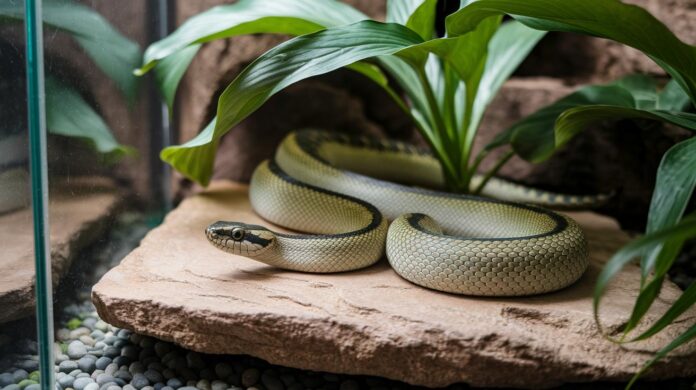

Have you ever thought that taking care of a snake might be simpler than you believe? Imagine creating a snug, secure home with just the right mix of warm and cool spots for your slithery friend.
In this guide, we share friendly habits that help keep your snake healthy and happy. We’ll chat about picking a species that's great for beginners, setting up a balanced feeding routine, and remembering regular health checks.
It may sound like a lot, but each step makes a real difference. Soon, with these easy tips and down-to-earth advice, you'll be enjoying many happy moments with your thriving snake.
Core Snake Care Essentials
Start by choosing a snake that fits well in your home. If you’re just starting out, friendly species like corn snakes, ball pythons, and garter snakes are ideal. They usually don’t grow much beyond 7 or 8 feet and are known for their calm nature. Fun fact: corn snakes were once showcased for their vivid patterns, making them a top pick for new snake owners.
Next, give your snake an escape-proof enclosure. Your tank should have a secure lock and clearly defined warm and cool areas. Aim for the warm side to be between 88 and 92°F and the cool side around 75 to 80°F. A 12-hour light on/off schedule mimics natural day and night cycles. When it comes to bedding, use safe materials like aspen shavings or paper towels to help prevent digestive blockages. Think of it like setting up a play area with zones for resting, exploring, and hiding.
Feeding routines are just as important. Serve thawed, pre-killed rodents that match your snake’s mid-body size. For most adult snakes, a weekly meal is enough, while younger ones might need a meal every 5 to 7 days. And don’t worry if your pet skips a meal sometimes, just watch its overall behavior.
Regular health checks go a long way in spotting problems early. Check that your snake’s mouth is a uniform pink and keep an eye out for signs like wheezing, a runny nose, or trouble shedding. When you begin handling your snake, start slowly. Gentle, short sessions help build trust without overwhelming your pet.
Designing the Ideal Snake Habitat

If you're setting up a home for your snake, make sure it has plenty of space to stretch and move around freely. A good rule of thumb is to have at least one foot of enclosure for every foot of your snake's adult length. This extra space also lets you create separate areas for different temperatures and moisture levels, just like in nature.
Keeping the right temperature is really important. Your snake's warm side should be between 88 and 92°F, which you can get using under-tank mats or ceramic heat emitters (devices that provide consistent heat). The cool side should hover around 75 to 80°F. It’s kind of like giving your pet two rooms, a cozy spot to bask and a cooler area to relax. Adding a hide box on each side lets your snake decide where it feels best.
Moisture control matters too. Corn snakes do well with humidity levels of 40 to 60%, while ball pythons like it a bit higher at around 50 to 70%. A quick daily mist or a reptile-safe humidifier can keep the levels just right. Plus, using a safe substrate like aspen shavings or paper products creates a soft, safe carpet for your snake and helps prevent any digestion issues.
Try to mimic nature’s light cycle by keeping a 12-hour light and 12-hour dark schedule. Full-spectrum or UVA lamps (lights that simulate natural sunlight) work great for this and can boost your snake’s mood and health. And don’t forget a water dish that's big enough for your snake to soak, along with hides placed in both the warm and cool zones.
| Parameter | Ideal Range | Recommended Equipment |
|---|---|---|
| Warm-side Temp | 88-92°F | Under-tank mats or ceramic heat emitters |
| Cool-side Temp | 75-80°F | Ambient room heater or cool surface |
| Humidity | 40-60% for corn snakes / 50-70% for ball pythons | Daily misting or reptile-safe humidifiers |
| Photoperiod | 12 hrs light / 12 hrs dark | Full-spectrum or UVA lamps |
| Substrate Type | Safe, non-impaction materials | Aspen shavings or paper products |
Optimizing Your Snake’s Feeding Routine
Keeping your snake on a steady feeding schedule helps it feel safe and stay in good shape. Always feed your snake thawed, pre-killed rodents that are about as wide as its body. This size works well because it mimics what snakes hunt in the wild and helps prevent tummy troubles. Adult snakes usually eat once a week, while younger ones may need a meal every 5 to 7 days. It’s okay if a meal is skipped now and then, but if your snake goes more than two weeks without eating, it might be time to call a reptile vet for a checkup.
For safety, use tongs or feed your snake behind a barrier. This routine not only keeps you safe from accidental bites but also helps your snake stay relaxed during mealtime. Watching how your snake eats is a fun way to learn about its natural behavior. I like to jot down a simple log of each feeding, including the date, the size of the prey, and any unusual reactions. This little habit can really help you notice if something changes in its appetite.
Setting up and sticking to this clear feeding routine can keep your snake healthy and stress-free. Think of it like arranging a steady daily schedule for a cherished family pet.
| Feeding Tip | Recommendation |
|---|---|
| Prey Type | Thawed, pre-killed rodents |
| Prey Size | Match with snake’s body width |
| Adult Feeding Frequency | Once per week |
| Juvenile Feeding Frequency | Every 5 to 7 days |
| Feeding Safety | Use tongs or a barrier |
snake care: Happy Habits for Healthy Snakes
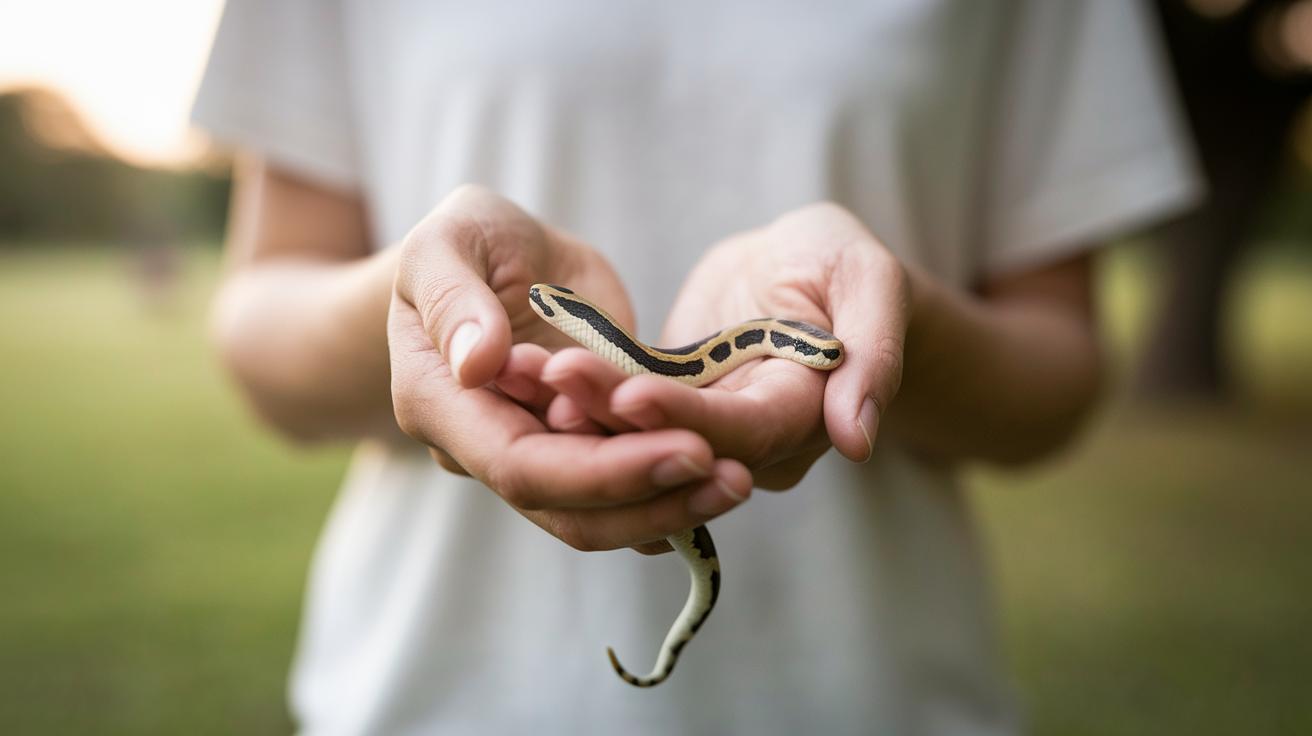
Handling your snake gently builds trust and keeps stress low. Wait 24 to 48 hours after feeding before you pick up your pet. This pause helps prevent any upset tummy issues like regurgitation. When you do handle your snake, support its entire body as if you were cradling a delicate bundle, a warm, reassuring hug for your pet.
Keep your sessions brief, around 10 to 15 minutes, so you don't overwhelm your snake. Think of it like enjoying a quiet, calm moment with a friend in a peaceful park rather than being in a noisy, hectic area. Small, slow movements and a gentle tone can make all the difference.
Watch for signs that your snake might be stressed, like frequent tongue flicking, hissing, or tight coiling. These little cues show that your pet might need a break from handling. Also, always wash your hands before and after you interact, as this removes any scents that could unsettle your snake. For larger snakes, using a snake hook or tongs can keep both you and your pet safe, and if young handlers are joining in, keep a close eye on things.
- Wait 24-48 hours after feeding
- Support your snake’s entire body
- Keep handling sessions to 10-15 minutes
- Watch for signs like tongue flicking, hissing, and tight coiling
- Wash your hands before and after handling
- Use snake hooks or tongs for larger snakes and supervise young handlers
Preventive Health Care and Disease Monitoring for Snakes
Regular checkups can make a big difference in keeping your snake happy and healthy. Keep an eye out for any unusual breathing sounds or a runny nose, and check its skin to make sure it’s shedding properly and not showing any signs of irritation. When you notice a little change, like a slight color shift around the eyes, it’s a gentle hint that your snake might need a bit of extra care.
If you bring a new snake home, it’s best to keep it separate for 30 days. This quarantine period gives you plenty of time to spot any hidden illnesses. Also, try to perform a fecal exam twice a year to check for any internal parasites. Keeping a simple health log where you note any odd behavior or physical changes can be a real lifesaver.
Sticking to the right temperature and humidity is another key step. When things are set correctly, it helps prevent bacterial or fungal problems that can make your snake sick. For instance, if your snake seems off on particularly hot or dry days, it might be time to tweak your setup or even use a reptile-safe humidifier. Little adjustments like these can really boost your snake’s overall strength.
Don’t forget about pests like mites and ticks. Inspect areas under the scales and around the eyes regularly, and if you spot any critters, treat them right away with a reptile-safe miticide. A uniformly pink mouth usually means your snake is in good condition, so a quick dental check during routine care is always a smart move.
If these symptoms, like constant runny nose, shedding issues, or visible pests, keep showing up, it’s a great idea to visit a vet who knows snakes well. Regular vet visits, whether every six months or yearly, provide a professional check that might catch problems before they become serious. Taking these preventive steps can help your snake stay comfortable and enjoy a healthy life.
Snake Enclosure Cleaning Protocols and Maintenance Scheduling

Keeping your snake’s habitat clean is super important for its health. Try to remove any waste or old shed skin every day. This little daily effort helps stop bacteria from building up and keeps the tank neat.
Don’t forget to wash and refill water dishes daily. Changing the water keeps mold away and means your pet always has fresh water to drink. While you’re there, take a moment to check the hides, decorations, and heating parts for any wear or sticky spots that might need extra cleaning.
Once a month, go for a deep clean. Fully replace the substrate and use a reptile-safe disinfectant (a cleaner that is safe for snakes) to wipe down the whole enclosure. Make sure to rinse well and let the tank dry completely before putting everything back in. This thorough cleaning helps stop long-term issues from bacteria or fungi.
It’s also a good idea to keep a cleaning journal. Jot down the date, what you cleaned, any inspections you did, and any repairs needed. This little record helps remind you of your routine work and might show you any changes that need extra attention.
Taking these simple steps will create a safe, cozy home where your snake can thrive.
Tailoring Care for Common Snake Species
Corn snakes grow to about 3 to 5 feet when they’re fully grown, and they do best in an environment with roughly 40-50% humidity. They thrive in a simple setup with one cozy hide, this hide even gets a bit damp during their shedding times. Picture a small, comfy corner where your snake can settle in, much like a cat curling up in its favorite chair.
Ball pythons are a bit different. Females can reach up to about 5 feet, while males are generally around 4 feet long. They need a little more humidity, around 50-60%, and a warm basking spot with temperatures hitting 88-92°F. Offering several hides gives these pythons the freedom to choose between a warm or cool resting spot. It’s like how we appreciate having more than one cozy corner at home, it really helps them manage their body heat.
Garter snakes, on the other hand, are smaller, usually measuring between 2 and 4 feet. They prefer a higher humidity level of 50-70% and benefit from a light cycle that mimics natural daylight. These lively snakes enjoy a varied diet, such as small fish or worms. Even though their setup might seem busier, they still need the same careful handling as the other species.
In the end, adjusting the enclosure size, humidity, temperature zones, and handling routine based on each snake’s unique needs is key to keeping your pet both comfortable and happy.
Emergency Preparedness and Transport Guidelines for Snakes

When you're ready to move your snake or deal with an unexpected emergency, having a solid plan in place is crucial. Start by assembling a reptile first-aid kit with essentials like gauze and reptile antiseptic (a treatment that helps prevent infections). This little kit can be a lifesaver if your pet gets a minor injury or needs a quick wound clean-up. It also helps to know the nearest herp-certified vet so you have expert support if things take a turn for the worse.
When it comes to transporting your snake, choose a ventilated and insulated box that offers just enough room for a bit of movement. This kind of box makes your pet feel safe while keeping the air fresh all around. During the trip, add heat packs or portable mats to ensure the temperature stays between 75 and 85°F, which closely matches its usual habitat and helps reduce stress. Also, steer clear of aerosols, insecticides, or cigarette smoke near the travel container because those toxins can hurt your snake's breathing.
Once you get to your destination, give your snake time to settle in gradually for about 24 hours. Try to maintain the original temperature and humidity settings during this period so it can adjust without getting too stressed or shocked.
Final Words
In the action of snake care, we covered key species choices, essential enclosure parameters, feeding routines, handling tips, preventive health checks, cleaning tasks, and emergency protocols.
We shared practical insights to help set up a safe habitat, manage temperature and humidity, and watch for any troubling signs. This rounded approach makes it easier to keep your pet safe and sound. Embrace these guidelines and enjoy a rewarding experience with your snake.
FAQ
What are essential snake care tips for beginners?
Essential snake care for beginners covers providing a secure, escape-proof habitat with proper warm and cool zones, a safe substrate, a consistent light cycle, and routine feeding and health checks to keep your pet comfortable.
How do I set up the perfect snake cage?
Setting up a proper snake cage means offering an enclosure with secure locks, distinct warm (around 88–92°F) and cool zones (75–80°F), safe substrates like paper products, and hides for rest, all under a consistent light cycle.
How do I know if my snake is happy?
Determining if your snake is happy involves noticing calm behavior, regular and smooth shedding, a good appetite, and a lack of stress signals such as excessive tongue flicking or hissing.
Can I hold my snake all day?
Holding your snake all day isn’t recommended. Short, gentle handling sessions—about 10 to 15 minutes—help prevent stress. It’s best to let your snake rest and adjust naturally to interaction.
Are pet snakes generally easy to care for?
Pet snake care can be straightforward if you provide a well-regulated habitat, follow a consistent feeding schedule, and practice gentle, regular handling while monitoring their health routinely.
How challenging is caring for a python?
Caring for a python involves keeping a steady temperature and humidity, along with regular feeding and minimal handling after meals. With the right setup and routine, python care becomes manageable.
What is unique about corn snake care?
Corn snake care focuses on maintaining specific temperature gradients, a secure enclosure, and offering pre-killed rodents appropriately sized to your snake’s girth. These measures make them a favorite for new snake owners.
What care considerations apply to species like ball pythons, garter snakes, and Western hognose snakes?
Caring for these species means adjusting enclosure size, temperature, and humidity based on their specific needs, along with proper feeding routines and gentle handling to keep each species healthy.
What are the special needs of desert rosy boas and Old World sand boas?
Desert rosy boas and Old World sand boas require drier conditions, carefully managed temperature gradients, spacious enclosures, and species-specific nutrition and handling practices to thrive.