



Have you noticed your pet might be a little overweight? Even a small tweak in their meals can boost their health dramatically. Imagine a meal plan where every bite gives your furry friend more energy and strength. This guide shares easy diet tips, from measuring servings to choosing lean proteins (meats with less fat), that work like a simple recipe for a healthier life. Stick around to see how a few smart changes in what they eat can make a big difference.
Core Diet Tips for Effective Pet Weight Management

Many U.S. dogs struggle with their weight, so it’s important for pet owners to use smart diet tips. These expert-approved suggestions are designed to help your pet lose a few extra pounds, feel more energetic, and avoid health problems like diabetes, arthritis, or heart issues. Before you change your pet’s meals, have a quick chat with your veterinarian to make sure everything’s okay. Here are six easy strategies:
-
Vet Consultation and Goal Setting
Chat with your vet first to rule out any hidden health issues and set a realistic weight loss goal. It’s a bit like checking in with a coach before starting a new exercise routine. -
High-Protein, Low-Fat Diet
Pick food that’s full of lean protein but low in fat. This helps keep your pet’s muscles strong while they lose weight and stay active and happy. -
Precise Portion Control
Use a measuring cup or kitchen scale to serve exactly the amount recommended by your vet or on the food package. Think of it like following a recipe to make your favorite treat just right. -
Scheduled Feeding Times
Instead of leaving food out all day, feed your pet one or two times daily. This helps keep their metabolism steady and manages their calorie intake. -
Calorie Restriction Focus
Choose meals and treats that limit extra calories while still giving your pet the nutrients they need to stay healthy and full of energy. -
Follow Manufacturer Guidelines
Stick to food amounts suggested on the packaging or by your veterinarian. This helps prevent giving too much food and supports a slow, steady weight loss.
Recognizing Weight Issues and Nutritional Assessment for Pets

It can be tough to tell when your pet is carrying a bit of extra weight. When you're cuddling your furry friend and you can’t easily feel their ribs or spine, or if you notice their waist seems to have vanished and their tummy is rounder than usual, it may be time to take a closer look. Other signs include less energy, struggling to jump, or heavy panting even during calm moments. Imagine feeling for your pet’s ribs during a cuddle and realizing they’re hidden under a soft layer of extra padding, that’s a clear hint their diet might need a little adjustment.
On the flip side, if your pet seems underweight, that might signal malnutrition or an underlying illness needing prompt attention.
Regular visits to the veterinarian can catch these changes early. During a checkup, your vet will perform a physical exam and might use tools like digital X-rays (a way to see inside the body) or lab tests to spot subtle weight changes. They can also do a body-condition score, which checks the balance between fat and muscle, to decide if your pet’s diet needs tweaking or if there might be issues like thyroid troubles or diabetes.
- Difficulty feeling the ribs or spine
- Loss of a visible waistline
- A rounded abdomen
Keeping an eye on these signs can help you ensure your pet stays happy, active, and healthy.
Portion Control and Scheduled Feeding for Pet Diet Success
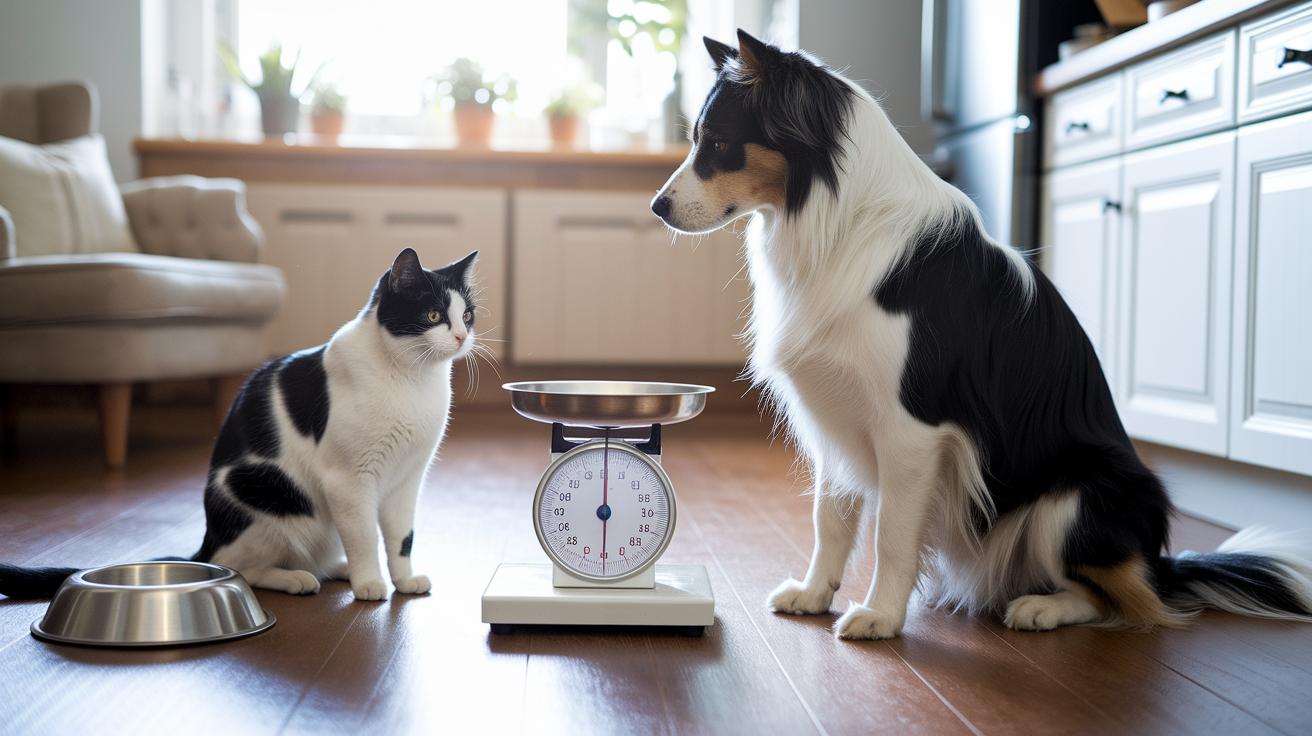
Feeding your pet the right amount of food is super important for keeping them healthy. Stick to using a measuring cup or a kitchen scale so you serve the exact amount recommended by your vet or listed on the food label. It's a bit like following your favorite recipe where every ingredient counts, get it wrong and things might not turn out as well.
Having a set time for meals can make a big difference too. When your pet knows when to expect food, it helps keep their calorie intake on track and can make mealtimes much more relaxing. Imagine how a steady routine helps kids feel secure every day, it works the same way for our furry friends.
Simple tips to remember:
- Use a measuring cup or kitchen scale to portion out each meal.
- Follow the food guidelines provided on the package or by your veterinarian.
- Stick to a regular feeding schedule to keep your pet's metabolism steady and mealtimes calm.
Balanced Homemade Recipes to Support Pet Weight Management

When you cook for your pet at home, it’s important to create meals that suit their age, breed, and energy level. Think of it like planning a special dinner that has just the right mix of nutrients to keep your furry friend happy and healthy. Have you ever thought about making mealtime feel like a warm family celebration? It’s all about giving them the right amount of calories along with the flavors they love.
When it comes to homemade meals, keeping a good balance is key. A smart recipe might mix lean proteins like turkey, salmon, or chicken with veggies and wholesome carbohydrates. These high-quality ingredients not only help maintain muscle mass but also give your pet the energy they need for playtime. Vegetables and whole grains bring in fiber and vital vitamins that support overall health.
Below is a simple table of sample recipes with their calorie counts per serving, all designed to be both tasty and nutritious:
| Recipe | Calorie Count per Serving |
|---|---|
| Turkey & Mixed Vegetables | 300 kcal |
| Salmon & Brown Rice Bowl | 250 kcal |
| Chicken & Sweet Potato Medley | 280 kcal |
Feel free to experiment with these recipes and adjust the ingredients to best fit your pet’s unique needs and tastes. Isn't it great to know you can add a personal touch to every bowl?
Selecting High-Protein, Low-Fat and Natural Diet Options

When you’re looking for a pet food to help manage weight, aim for one that offers 25–30% protein and less than 10% fat. This mix supports building lean muscles without extra calories piling on. Often, these formulas are made with whole-food ingredients that suit your pet’s needs while helping shed a few pounds. For example, Science Diet Weight Management Dog meets AAFCO standards (those are guidelines for pet nutrition) and provides a balanced plan for your furry friend.
Natural options have their charms too. Brands that skip preservatives can help your pet feel fuller longer and steer clear of unnecessary fillers. Take Natural Pet Food, for instance, it’s made with real ingredients that remind you of a homemade meal. This is a fantastic choice if you like knowing exactly what’s in your pet’s bowl.
Always be sure to read the labels and compare nutritional details among different brands. Look for products that list high-quality proteins right at the top and avoid extra additives. By picking a high-protein, low-fat option, you’re joining up with science-backed nutrition to support your pet on their journey to a healthier weight.
Healthy Treat and Snack Strategies for Weight Control

When it comes to managing your pet’s weight, choosing the right treats and keeping portions small is key. Treats and table scraps should only make up about 10% of your pet’s daily calories. Think of it like adding a little hint of extra flavor on top of their meal without overdoing it.
Try offering low-calorie snacks that keep your furry friend happy without adding too many extra calories. Great ideas include:
- Dehydrated sweet potatoes
- Apple slices
- Blueberries
For example, giving a few apple slices as a treat can be a tasty way to keep things balanced. And sometimes, swapping out edible rewards with non-food treats, like an extra few minutes of play, a gentle belly rub, or some extra grooming time, can make a huge difference. It’s a win-win because you control the calories while still building a strong, loving bond with your pet.
Integrating Exercise and Nutrition for Accelerated Weight Loss
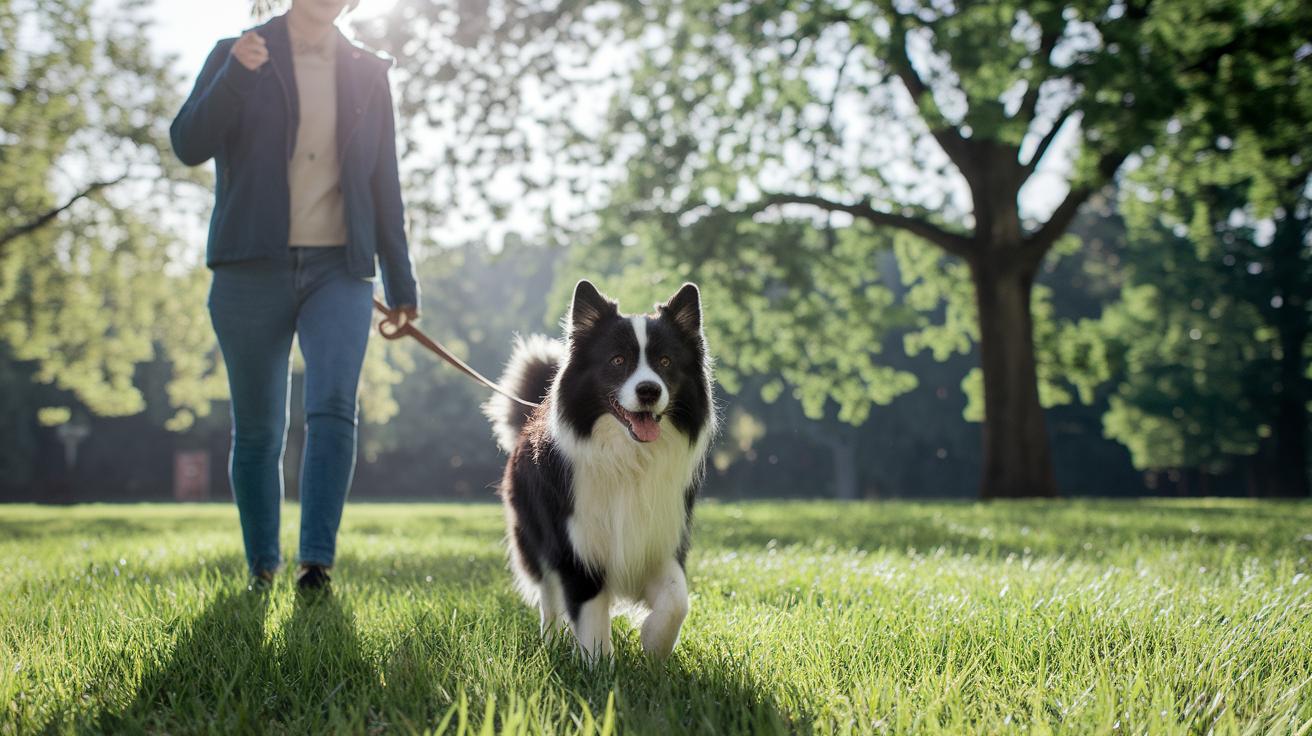
Bringing together regular exercise and smart diet choices is a great way to boost your pet’s metabolism and keep their muscles strong. Even a simple 30-minute walk can help burn extra calories while you enjoy some quality bonding time. And if your pet is more energetic, try two hours of activities like brisk walks, games of fetch, swimming, or even a fun backyard obstacle course. Just remember to pick activities that work for your pet’s breed, age, and overall health. This kind of routine doesn’t just help with weight management, it lifts your pet’s energy and mood too.
A balanced diet paired with a steady exercise plan creates a rhythm that benefits your pet in many ways. It helps with digestion, speeds up their metabolism, and keeps those lean muscles in check. Think of it like tuning up a car’s engine, the right exercise burns calories, while a proper diet fuels strength. Try mixing in a new fun activity, like a swim or a playful fetch game, and see how it creates the perfect mix of feeding and movement for your furry friend. Every little step helps nudge them toward a healthier lifestyle.
Monitoring Progress and When to Seek Veterinary Support

Keeping an eye on your pet's weight is one of the best ways to tell if their diet plan is working. Try weighing your pet every week and jotting down what they eat and how much they play. For example, you might note that Fido lost half a pound this week while his morning walk got a little longer by 10 minutes. This simple log can help you decide if you need to adjust his food portions if his weight isn’t dropping fast enough or if he seems extra hungry.
- Do weekly weigh-ins and note any changes.
- Write down how much food your pet eats and what exercise they get.
- Watch your pet’s energy and behavior for any surprises.
It’s important that everyone at home sticks to the same feeding and exercise plan. When the whole family follows the routine, your pet gets the steady schedule that supports gradual weight loss.
Regular check-ups with your vet are a must. At the vet’s office, they can check your pet’s body condition (which means looking at the balance between muscle and fat). Watch out for clues that something might be wrong, like quick weight changes, a drop in appetite, feeling very tired, or vomiting. If you notice any of these signs, don’t wait to call your vet. Regular visits for nutritional support help ensure any needed tweaks to the plan are safely made for your pet’s progress.
Final Words
In the action, our post shared practical strategies for a healthier pet. We covered essential tips on portion control, balanced homemade recipes, and healthy treat alternatives. We also highlighted how exercise and regular vet check-ups boost overall well-being. Keeping tabs on progress while sticking to a vet-approved plan can lead to a happier, more energetic pet. Embrace these pet weight management diet tips, and enjoy the positive changes in your furry friend's life. Remember, each small step makes a big difference.
FAQ
What are pet weight management diet tips shared on Reddit?
The pet weight management diet tips shared on Reddit emphasize using measured portions, high-protein low-fat meals, and occasional veggies to support gradual, healthy weight loss in your pet.
What are pet weight management diet tips for cats?
The pet weight management diet tips for cats involve serving controlled portions with low-calorie, high-protein foods that keep your cat’s energy balanced while preventing excess weight.
How does a feeding calculator help determine how much to feed my dog for weight loss?
The feeding calculator estimates the right portion based on your dog’s weight, age, and activity level to create a balanced diet plan that supports steady weight loss.
What is vet recommended dog food for weight loss?
The vet recommended dog food for weight loss typically offers reduced calories with more protein and controlled fat, helping your dog lose weight safely while maintaining essential nutrients.
What are the benefits of homemade dog food for weight loss?
The homemade dog food for weight loss recipes combine lean proteins, vegetables, and low-calorie grains, providing your dog balanced nutrition and effective weight management without processed additives.
What should I do if my dog is losing weight but eating normally?
The observation of a dog losing weight while eating normally may indicate an underlying health issue, so consulting your veterinarian helps diagnose possible medical conditions and adjust care appropriately.
What is the best diet to help dogs lose weight?
The best diet to help dogs lose weight focuses on high-protein, low-fat meals, uses strict portion control, and follows a regular feeding schedule to support a healthy metabolism and safe weight loss.
What are common dog weight loss food options?
The common dog weight loss food options include both commercial formulas and homemade recipes that offer low-calorie, nutrient-dense ingredients, helping to maintain lean muscle while shedding excess weight.