



Have you ever wondered if your pet’s meal could use one more special ingredient? Like a chef tweaking a recipe, the right mix of proteins, fats, carbs, vitamins, and minerals can really boost your pet's energy and make their coat sparkle.
Many pet owners have seen their furry friends become more lively and happy after switching to balanced meals. In this guide, we'll break down the basics of pet nutrition into simple, easy-to-follow tips that can brighten your pet’s day.
Remember, every bite counts when it comes to keeping your companion happy and healthy.
Pet Nutrition Fundamentals for Balanced Health
When it comes to feeding your pet, a balanced diet means giving them just the right mix of proteins, fats, carbs, vitamins, and minerals to keep them happy and healthy. Every pet is unique, so what works for one might not work for another. For example, a pet with a sensitive stomach might do better with food that's easy to digest. One pet owner even said that switching to a balanced meal plan boosted their dog's energy and made the coat shine!
The first step is to look at your pet's current health and what flavors they enjoy. Think of it like a chef trying out different recipes until they find the perfect one. Puppies and kittens, for instance, need lots of protein (the building blocks for growth) to develop well, while older pets might do better with a diet that has fewer calories and more fiber to help their digestion.
Keeping an eye on your pet’s progress is key. Checking their weight each month and jotting down what and how much they eat can teach you a lot. If you notice even a small change in their energy or the shine of their coat, it might be time to tweak the recipe a bit. Remember, a little adjustment here and there goes a long way in keeping your pet happy and healthy every day!
Key Nutrients and Beneficial Ingredients in Pet Nutrition

Good pet food gives your furry friend all the essential building blocks for a happy, healthy life. A balanced meal includes proteins to strengthen muscles, fats for energy and organ protection, carbohydrates for a quick burst of energy, and vitamins and minerals that help keep everything running smoothly. It even has just the right amount of moisture to keep your pet feeling great.
It’s important to know where these ingredients come from. You want to steer clear of pet foods filled with too many preservatives, by-products, meat meals, fillers, artificial flavors, or colors. Clear food labels can be a real help, letting you see exactly what’s in your pet’s bowl. Some trusted brands go the extra mile by sharing details about ingredient sourcing. That way, you can feel confident knowing every bite is wholesome.
Before picking out a new pet food, take a few simple steps. Check the labels carefully, compare the order of ingredients, and look up any unfamiliar terms. It also helps to read reviews, look for third-party certifications, and ask your veterinarian for advice. These little extra checks make a big difference, ensuring that every meal is both safe and packed with the nutrients your pet needs.
Tailoring Pet Nutrition to Life Stages and Species Needs
Feeding your pet properly means knowing that their food needs change as they grow up. For example, puppies and kittens need extra calories and rich proteins to support their fast growth, while adult pets benefit from a balanced diet to keep their daily routines smooth. Older pets often do better with meals that come packed with joint-friendly nutrients, antioxidants (substances that help protect cells), and fiber to ease stiffness, manage weight, and keep their coats shiny. A growing puppy may thrive on a high-calorie, high-protein diet, whereas an older dog might prefer food that's kinder on their joints.
| Life Stage | Calorie Range (kcal/day) | Key Nutrients |
|---|---|---|
| Puppy | 900–1,200 | High protein, DHA, calcium |
| Kitten | 200–250 | Protein, taurine, fat |
| Adult | 300–1,100 | Balanced macros, vitamins |
| Senior | 300–1,000 | Glucosamine, fiber, antioxidants |
When planning your pet’s food, you'll notice that dogs and cats have different needs. For dogs, it’s all about giving them plenty of energy along with nutrients that support strong muscles and a healthy immune system. And when it comes to cats, you want to carefully balance protein and fat to fit their unique metabolism and sensitive digestive systems. This thoughtful approach makes sure that whether you have a playful pup or an elegant older cat, every pet gets the right nutrition for a happy, vibrant life.
Comparing Commercial Pet Foods and Homemade Diets

When you decide on food for your pet, it's good to know the difference between store-bought meals and homemade recipes. Store-bought foods come in lots of types like wet, dry, freeze-dried, and even freshly made options. Each one has its own benefits, such as how long it lasts, how easy it is to serve, and its mix of nutrients.
Homemade recipes let you choose every ingredient, so you can tailor meals to suit your pet’s taste and dietary needs. But be careful, it takes some planning to make sure your pet gets all the nutrients they need and enjoys a steady routine.
Here’s a quick look at some choices:
- Wet Food: Lots of moisture, doesn’t last as long, very convenient, but can be more expensive.
- Dry Kibble: Lasts a long time, easy on the budget, has less moisture, and sometimes includes fillers.
- Freeze-Dried Meals: Packed with nutrients, little prep work needed, a premium cost, and you have to add water.
- Homemade Recipes: Complete control over ingredients and customization, although it takes more time and careful planning to avoid nutrient gaps.
In the end, the right food depends on your schedule, budget, and what your pet prefers. Whether you pick a ready-made meal or spend some extra time cooking at home, keeping a consistent diet helps keep your pet happy and comfortable. Have you ever noticed how a little extra care can brighten your pet’s day?
Avoiding Common Pet Nutrition Mistakes and Safety Risks
Back in 2007, a major pet food recall in the United States caused a lot of worry for pet owners. Several million bags of pet food were pulled off the shelves when contaminated vegetable proteins were found. This recall led to heartbreaking losses, including pet hospitalizations and even deaths. Manufacturers did the right thing by voluntarily removing the products, reminding us how important it is to have strong quality checks in pet food production.
When planning your pet’s meals, it’s easy to make mistakes that may hurt their health. Overfeeding, an unbalanced mix of nutrients, and low-quality fillers are common issues that can compromise your pet’s well-being. It’s important to read the labels, keep up with recall notices, and monitor what goes into their bowl. By using best practices and simple, cost-effective diet tips, you can help maintain your pet’s health. Paying close attention to the quality of ingredients and sticking to the right portion sizes is a smart way to keep your pet happy and thriving.
Supplementation and Advanced Strategies in Pet Nutrition
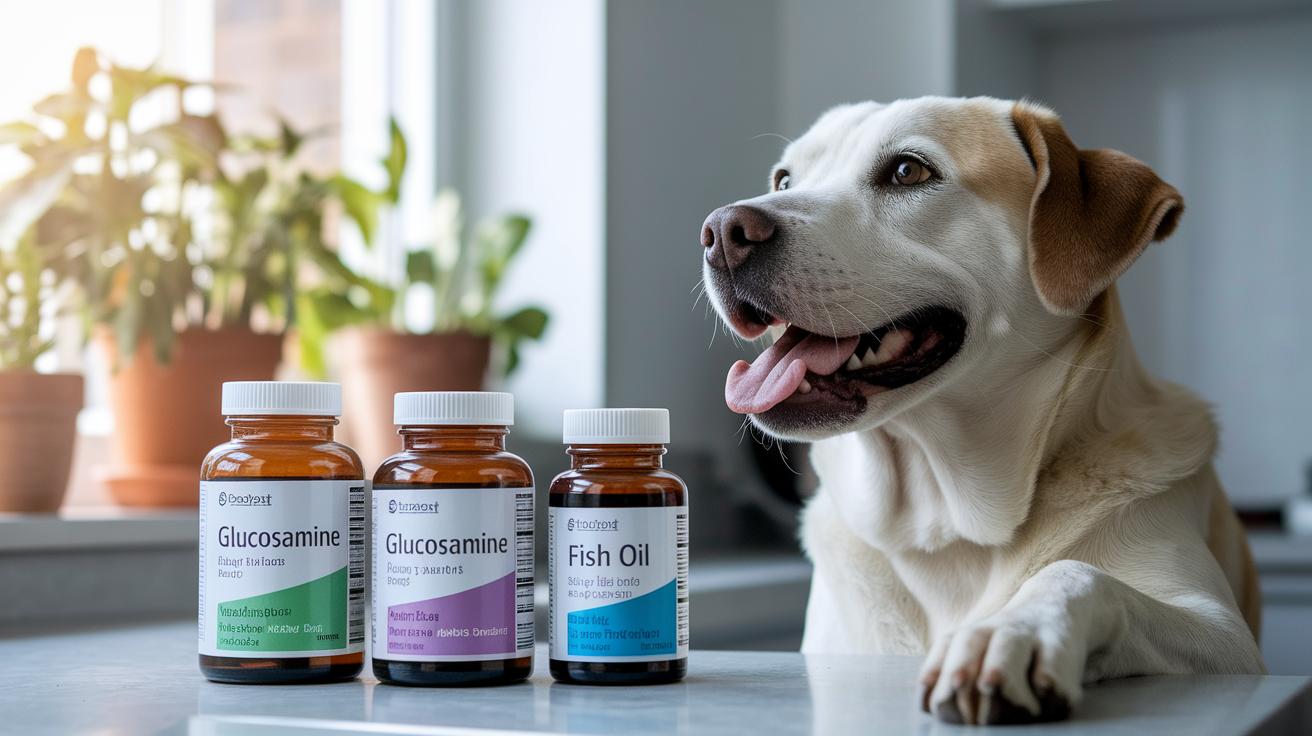
Veterinarian-approved pet supplements like Nutra Thrive help support your pet’s joints, strengthen their immune system, balance antioxidants, and even boost heart health. Natural supplements such as glucosamine, fish oil, and probiotics (good bacteria that help your pet’s digestion) work alongside regular meals to round out your pet’s nutrition. Many pet owners have noticed improvements in energy, digestion, and mobility in their furry family members after adding these supplements. When you choose these vet-recommended formulas, it’s important to follow the guidance and product instructions provided by the brand, many of which offer a refund promise through programs like "ultimate pet nutrition" from trusted retailers.
Figuring out the right supplement dose is key for safety and effectiveness. Start by thinking about your pet’s size, breed, and overall health. Clear labeling and expert reviews can be huge helps; look for quality certifications and third-party testing to ensure you’re giving your pet the best support possible. Often, guidelines suggest a specific amount per unit of body weight, so smaller pets get exactly the help they need while larger pets receive enough nutrients for their busy lives. Adjusting the dosage over time, with regular check-ups and your veterinarian’s advice, keeps your pet in tip-top shape.
Monitoring and Adjusting Pet Nutrition Over Time
Taking regular glimpses into your pet’s diet can help you catch little changes that may affect their health. Start by weighing your pet each month and checking their body condition score (a simple way to see if they’re too slim, just right, or carrying extra weight). Keeping a feeding log is a handy trick too. It lets you note down portion sizes and meal times, and you might notice that your furry friend’s energy or coat condition is shifting. Have you ever seen your pet get a bit sluggish or slowly gain weight? That could be the perfect moment to revisit portion sizes or tweak the ingredients in their meals.
Also, watch how active your pet is every day. If they’re playing less or seem tired, it might be a sign that their metabolism is changing or that they need a little portion control adjustment. On the flip side, if they’re more active than usual but still low on energy, they might be missing out on some essential nutrients. By keeping an eye on these signs along with checking their weight, you can fine-tune their diet to keep them healthy, vibrant, and full of life.
Using Online Calorie Calculators to Guide Feeding
There are some great online tools that can help figure out your pet’s daily calorie needs. Tools like a dog calorie calculator or a kitten energy calculator let you simply input details such as age, activity level, weight, and breed to get an easy-to-understand estimate. This way, you can set up a feeding schedule that perfectly fits your pet’s unique needs.
Final Words
In the action, we covered the basics of pet nutrition, from building a balanced diet with the right nutrients to tailoring meals for every stage of life. We checked how to compare commercial and homemade options while sharing tips to avoid mistakes and support safety. We even touched on supplement strategies and using online tools to track progress. All these insights help you create a meal plan that suits your pet’s needs, keeping your furry friend happy and healthy.
FAQ
What is pet nutrition?
Pet nutrition means feeding your pet a balanced diet that includes proteins, fats, carbohydrates, vitamins, and minerals to support overall health and energy levels.
What does the 50 30 20 rule for pets signify?
The 50 30 20 rule for pets divides the daily diet into roughly 50% protein, 30% fat, and 20% carbohydrates, offering a guideline for balancing energy needs and essential nutrients.
What does the 95 rule for dog food signify?
The 95 rule for dog food suggests that at least 95% of ingredients should be high-quality and natural, minimizing fillers to promote healthier digestion and better overall well-being.
How much does a dog nutritionist cost?
A dog nutritionist typically charges between $75 and $200 per consultation session, with fees varying based on pet needs and the duration of the session.
What are pet nutrition supplements?
Pet nutrition supplements include additional vitamins, minerals, and natural extracts that help bridge nutritional gaps in your pet’s diet, supporting overall health and vitality.
What defines pet nutrition dog food?
Pet nutrition dog food focuses on providing a balanced mix of nutrients by selecting high-quality ingredients that meet your dog’s dietary needs for energy, growth, and long-term health.
What is a pet nutrition calculator?
A pet nutrition calculator is an online tool that estimates your pet’s daily calorie needs based on age, weight, and activity level, aiding in portion control and balanced diet planning.
What does pet nutrition certification mean?
Pet nutrition certification shows that a professional has completed advanced training in pet dietary planning and balanced nutrition principles, ensuring trusted guidance in meal planning for your pet.
What does pet nutrition near me refer to?
Pet nutrition near me refers to local resources, including experts, clinics, or retailers that specialize in balanced pet diets and can offer personalized advice and quality nutrition products.
What is covered in a pet nutrition course?
A pet nutrition course provides lessons on diet fundamentals, nutrient mix selection, and feeding strategies, equipping pet owners with practical knowledge to design balanced, healthful meals for their pets.
What does Ultimate Pet Nutrition imply?
Ultimate Pet Nutrition typically refers to a premium, veterinarian-developed line of supplements or pet food designed to support joint health, immune function, and overall vitality in your pet.
What does pet nutrition delivery offer?
Pet nutrition delivery services bring balanced meals or supplements to your door, providing a convenient option that ensures your pet consistently receives high-quality nutrition without extra shopping trips.