



Have you ever noticed your pet scratching or licking itself after eating? Sometimes, it might not be just a random habit. It could be a sign of a food allergy. Many pet parents see signs like itchy skin or changes in behavior when their pet’s food is causing trouble.
In this chat, we’ll go over some clear clues that might mean your pet isn’t feeling its best after meals. We’ll explain what these common symptoms look like and why they happen, so you can feel confident about the next steps to help your furry friend feel more comfortable.
Recognizing symptom indicators of pet food allergies

About one in five cases of itching in dogs might be due to food allergies, making up roughly 10% of all allergy issues in our furry friends. Both dogs and cats may show signs like lots of licking, scratching, or even losing hair. Imagine noticing your pet obsessively grooming its ears or belly; that could be a hint that its food is causing discomfort. For example, you might see a dog start scratching its face after eating, almost as if it's trying to tell you something's not right.
Skin irritation can appear on different parts of your pet's body, like the face, ears, underarms, belly, rear, or feet. Sometimes, this irritation turns into hot spots or bald patches and can even lead to other problems like bacterial infections because of all that licking and chewing. Upset stomachs with diarrhea or vomiting might also be signs that something in the diet isn’t agreeing with your pet.
It helps to know that food allergies are caused by the immune system reacting to certain proteins or carbohydrates as if they were dangerous invaders. This is different from a food intolerance, such as lactose intolerance, where the issue is more about having trouble digesting the food rather than a reaction from the immune system.
Catching these signs early means you can get your pet the veterinary care it needs and start adjusting its diet to help it feel better.
Common diet triggers behind pet food allergies
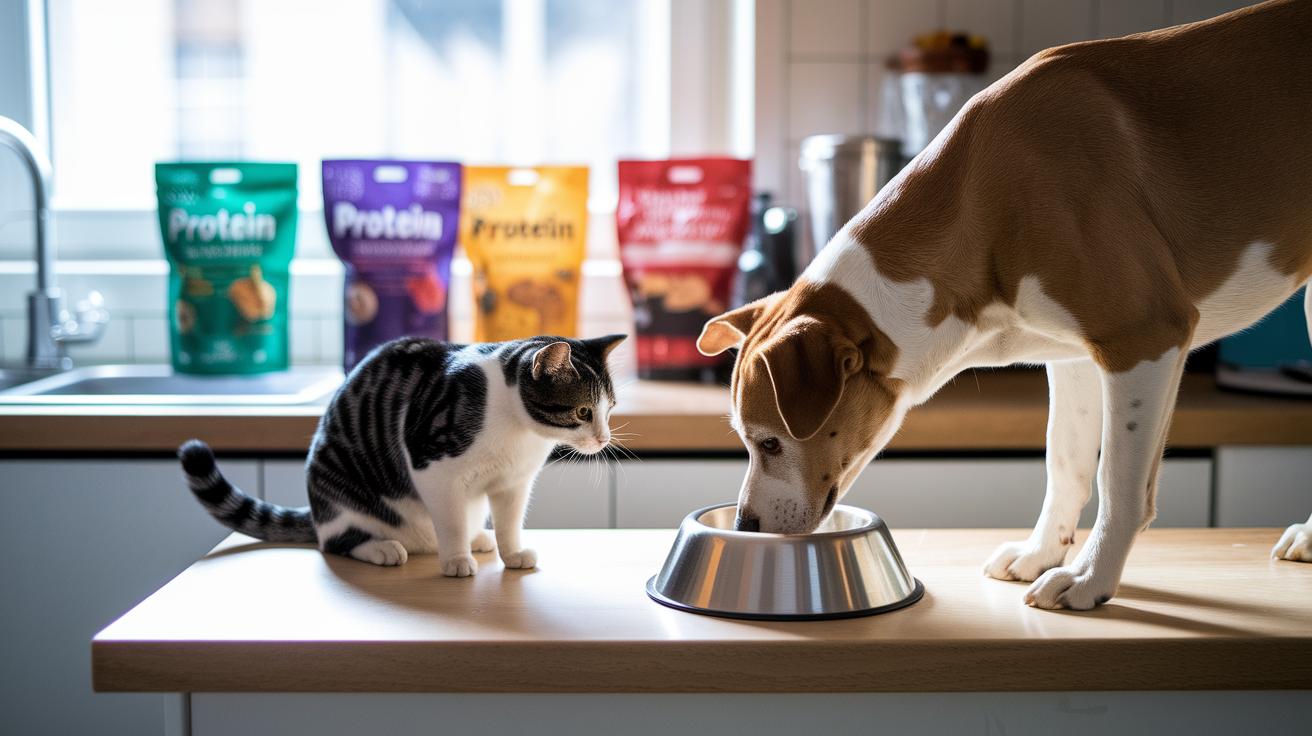
Most food allergies in pets come from animal proteins, like beef, dairy, and chicken. When your pet eats the same type of protein over and over, their immune system might start reacting badly. This reaction can show up as itchy skin or tummy troubles. Have you ever noticed your dog scratching or looking uncomfortable after eating the same food every day?
Plant proteins, like wheat, are less likely to cause allergies, but they can still be a problem for some pets. Genetics and how your pet is raised can also influence these allergies. So, catching the signs early can really help you adjust their diet and keep them feeling their best.
- Animal proteins (beef, dairy, chicken) often cause allergic reactions.
- Eating the same protein repeatedly can make allergies worse.
- Plant proteins, like wheat, might cause problems in some pets.
Imagine changing your pet's diet from chicken to something new, like rabbit, and seeing a big difference in their comfort levels. It could be a game-changer for your furry friend!
Identifying Pet Food Allergies Made Simple

First, take your pet for a full check-up with your vet. This exam helps rule out other skin or tummy troubles that might look like food allergies. Think of it as prepping a blank canvas before you start figuring things out.
Next, try an elimination diet trial. This is the most trusted way to spot a food allergy. Feed your pet a diet that has just one new protein and one new carbohydrate for 8 to 12 weeks – something unique like duck or venison that they haven't had before. Keep a close eye on how they do; if their symptoms get better, it might mean that one of the ingredients was causing the problem.
After this phase, put back their old food for one week. Watch carefully to see if the old symptoms come back, sometimes very quickly. This step is key to confirming if the original food is the culprit.
- Start with a complete exam to rule out other conditions.
- Try an 8-12 week elimination diet featuring a single new protein and carbohydrate.
- Reintroduce the old food for one week and note any quick return of symptoms.
Standard tests like blood, serum, saliva, skin, or hair tests often don't give reliable answers and can be confusing. Even digital imaging and other tools might show more than one issue happening at once. Research even backs up that an elimination diet is the best route over these less proven methods.
Just a heads-up: many new clients are jumping on early wellness exams. Booking early can really set you on the right path to figure out and manage your pet’s food allergies with confidence.
Step-by-step elimination diet protocols for pet food allergies
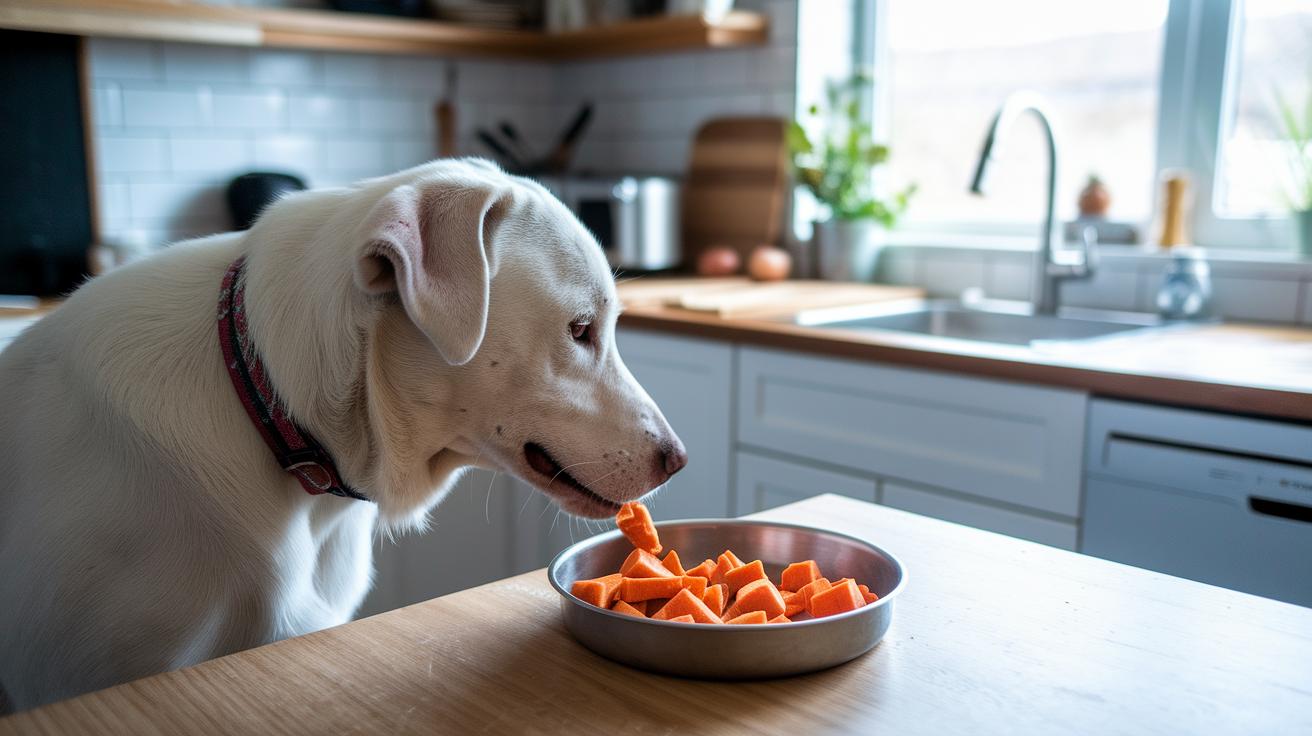
Start by feeding your pet a simple diet made with only one new protein and one new carbohydrate for 8 weeks. This clear routine helps you see if signs like scratching or an upset tummy fade away when you cut out common allergens. For instance, try a meal of duck paired with sweet potato. It’s best to stick with the simple diet first and see if your pet feels better.
After the 8 weeks, slowly bring back your pet’s regular foods one at a time. Add a single ingredient for one week at a time and watch your pet closely. If you notice symptoms like sudden scratching or tummy troubles soon after a new ingredient, that food might be causing the problem.
- Keep the simple, new diet steady for the full 8 weeks.
- Add one regular ingredient each week.
- Look for quick changes in symptoms.
- Write down meals, amounts, and any behavior changes daily.
If you have any doubts, try these tips:
- If symptoms come back quickly or get worse, use a smaller amount of the new ingredient.
- Adjust portions based on your pet’s size; smaller pets might need less to show a reaction.
- Use a detailed food log to help pinpoint exactly which ingredient may be the trigger, much like perfecting a recipe until it’s just right.
| Tip | Example |
|---|---|
| Check response time | If symptoms reappear within hours, note the ingredient immediately |
| Maintain detailed records | Log each meal, portion size, and any behavior changes during the trial |
| Adjust portions by size | Use smaller amounts for little pets or adjust for larger friends |
This step-by-step method helps you confidently identify which foods might be causing issues for your pet, ensuring a smooth process to find the right diet for them.
Managing pet food allergies: dietary modifications and alternatives

Many pet owners find that reducing allergens in their pet’s food involves trying hydrolyzed protein diets or switching to unfamiliar proteins like rabbit, venison, lamb, or duck. These diets break the protein into tiny pieces, making it harder for allergies to be triggered. Switching from a common protein to something like duck can feel as exciting for your pet as a delightful new treat.
Adding omega-3 fatty acids from fish oils is a smart step, too. Omega-3s help keep your pet’s skin smooth and their coat shiny, which can be a real relief if their skin seems dry or irritated. Picture your pet enjoying a smooth, soft coat after a while, that’s what this extra care can do.
You might also consider using toppers or hydrators to boost the appeal of an alternative diet. These additions not only add extra vitamins and minerals but also make the food taste better, so your pet might be more eager to eat. Remember, a label saying “grain-free” doesn’t automatically mean the food is safe for all pets. It is best to choose diets designed by veterinary nutritionists who focus on your pet’s long-term health. For more details on plans approved by vets, you can check out the recommended pet diet plan at petsplacenews.com?p=839.
There is no cure for food allergies, so managing your pet's allergies means keeping a close eye on their reactions and working with your vet to adjust the diet as needed. Sometimes, a little extra attention can go a long way in keeping your pet happy and healthy.
Preventing misdiagnosis and monitoring long-term pet food allergy responses

Keep up with regular vet checkups and a clear record of your pet’s health. This helps you tell food allergies apart from other issues. For example, one pet parent noticed her dog's behavior changed after a new meal, which led her to review his food plan closely.
It also helps to track your pet’s daily habits using simple methods like a digital journal or photos. If you spot a dull coat or less energy after reintroducing a food, write it down. One pet owner mentioned, "After trying a new treat, my cat started scratching more, and I recorded it immediately in my app."
| Monitor Method | Key Detail |
|---|---|
| Paper Journal | Write daily meals, symptoms, and changes in the environment |
| Digital Diary | Keep track of trends easily and add photos of any visible changes |
- Jot down each meal and any noticeable symptoms.
- Record what happens when a food is reintroduced.
- Schedule follow-up visits early to adjust the diet if new signs appear.
Final Words
In the action of examining symptoms, triggers, and diagnostic steps, we walked through the key signs and elimination diet strategies. We covered how clinical signs like scratching and digestion issues can hint at pet food allergies.
We also looked at managing sensitivities with suitable dietary modifications and keeping detailed records. Taking these practical steps can make a big difference. Every small effort helps when it comes to identifying pet food allergies and keeping our pets happy and healthy.
FAQ
Dog food allergies how long to clear up?
Dog food allergies can improve within 8 to 12 weeks when a strict elimination diet is followed. The time frame depends on the severity of the reaction and careful adjustments under veterinary care.
What are the most common food allergies in dogs?
The most common food allergies in dogs often include animal proteins like beef, dairy, and chicken. These ingredients can trigger skin and stomach issues, making them frequent culprits in allergic reactions.
How is dog food allergy treatment managed?
Dog food allergy treatment is managed by first eliminating triggering ingredients through a controlled diet and then reintroducing foods one at a time. This step-by-step approach, guided by a veterinarian, helps pinpoint the problematic food.
What are common skin symptoms of dog food allergies?
Common skin symptoms of dog food allergies include persistent itching, redness, hot spots, and bald patches. These signs may appear around the face, ears, armpits, belly, and feet, often requiring careful monitoring by your vet.
How is a dog food allergy test performed?
A dog food allergy test typically means trying an elimination diet. This method is the trusted way to identify allergens since other tests like blood or saliva tests are not reliable for confirming food allergies.
How do dog food allergies cause eye discharge?
Dog food allergies can cause eye discharge as part of a broader allergic reaction. The irritation from the diet can lead to watery or red eyes along with other symptoms such as itching and discomfort.
What is an elimination diet for dog food allergies?
An elimination diet for dog food allergies involves feeding a novel protein and carbohydrate exclusively for at least 8 weeks. Then, reintroduce original foods one at a time while tracking symptoms to identify the offending ingredient.