

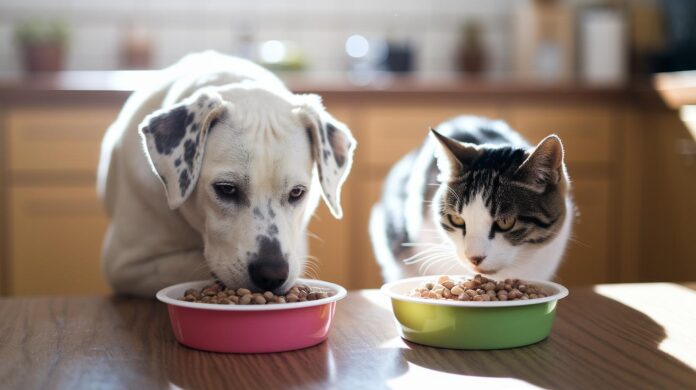

Ever notice how your older pet might not seem as active as they used to be? It's a bit like needing premium fuel for your car to run smoothly. As our pets age, their bodies slow down, but a few simple changes in their diet can really help.
We’re talking about adding high-quality protein (the building blocks that help repair muscles), keeping an eye on their calorie intake, and making sure they always have enough water. These small tweaks can give your senior pet a much-needed boost.
Let’s work together to help our furry friends feel their best every day.
Core Nutritional Guidelines for Senior Pets
Your furry friend usually starts showing signs of aging around 7 years old. If you have a larger dog, you might notice changes as early as 5, while smaller breeds often become seniors closer to 9. Switching to a food made especially for senior pets can help support their slower metabolism and changing organ needs. Following tips like those in our optimal pet diet guidelines can really make a difference.
Focus on giving your pet high-quality protein that’s easy to digest. Think of it as premium fuel that helps keep their muscles strong and supports their organs. If your pet has kidney troubles (when their kidneys aren’t as efficient), it might be best to keep the protein at a moderate level so their kidneys aren’t overworked.
Older pets tend to move around less, and their metabolism slows down, which sometimes leads to weight gain. Managing their calorie intake is key to avoiding obesity, while unexplained weight loss might be an early warning sign of a hidden issue.
Staying hydrated is always essential. Drinking plenty of water helps prevent urinary and kidney problems. If your pet seems reluctant to drink enough, try using a water fountain or mixing a bit of water into their meals to encourage more sips.
It’s also important to stick with a regular feeding schedule, adjusting portion sizes gradually. For instance, when shifting to a senior diet, changing their food over 7 to 10 days can help avoid tummy troubles. Regular visits to your vet will keep you updated on your pet’s progress and health.
Finally, take a little time each month to check your pet’s weight and energy levels. This simple monitoring can alert you when dietary tweaks are needed, ensuring your beloved companion stays happy and healthy.
Building Balanced Macronutrients and Micronutrients for Senior Pets

When planning a diet for your senior pet, try reducing their daily calories by about 20–30% compared to an adult pet’s meal plan. This simple change helps your pet avoid extra weight as they become less energetic. It’s a bit like easing off the gas pedal when you don’t need full speed.
A good diet for older pets mixes roughly 25–30% protein, 10–15% fat, and the rest from complex carbs. Good protein is like premium fuel for their muscles. Just be sure to pick protein sources that are easy on older organs, especially if your pet has health issues.
Adding around 3–5% fiber to their meals can really help with digestion. Think of fiber as a little broom that keeps everything moving smoothly in their tummy. It helps keep your pet’s gut clean and happy.
Including key vitamins like A and E, plus minerals such as zinc and selenium, is important to boost your pet's immune system and keep their coat shiny. A controlled amount of fat, paired with omega-3 fatty acids (fats that support joints and heart health), acts like a soft cushion to protect them from everyday bumps.
These changes are designed to help your senior pet feel energetic and nourished, making it easier for them to enjoy gentle walks and playful moments around the neighborhood.
Essential Nutrient-Rich Recipes for Senior Pets
Start with a dish that features lean proteins like chicken or turkey. One idea is to gently boil a chicken breast until it's cooked, shred it into little pieces, and mix in a spoonful of pumpkin puree. This simple meal gives your pet the quality protein it needs to keep its muscles strong without overloading its kidneys. Then, add a little brown rice or oatmeal to provide fiber and steady energy for smooth digestion.
Another tasty option is a fish-based meal. Try using flaked white fish or salmon. Steam the fish until it easily splits into flakes. Mix it with some chopped green beans and add a pinch of flaxseed or a drizzle of salmon oil (a healthy fat that supports joint health and a shiny coat). You could even toss in a few blueberries or some spinach for extra antioxidants that help slow down cell aging. It’s like treating your pet to nature’s very own power-up meal.
For a well-balanced plate, aim for about half protein, a quarter complex carbs and fiber, and a quarter nutritious veggies or healthy fats. A simple idea is to combine shredded turkey with cooked oatmeal, stir in a bit of chopped pumpkin, and finish with a dash of salmon oil and a few spinach leaves. This balance makes sure your furry friend gets enough protein to stay strong and enough fiber to help its tummy work smoothly.
Feel free to mix these ingredients up, adjusting the portions based on your pet’s size and energy needs. Even small changes can make a big difference in how vibrant and comfortable they feel. For more ideas, check out this great balanced homemade dog food recipe: balanced homemade dog food.
Portion Control and Optimized Feeding Schedules for Senior Pets

Splitting your senior pet’s daily food into two or three small meals helps keep their energy steady and eases digestive stress. It’s a bit like giving them a gentle, regular boost of nutrients throughout the day. For instance, try serving meals at around 7 AM, 12 PM, and 5 PM. This predictable routine can help maintain a steady appetite.
Measuring the food carefully is really important, using a kitchen scale or measuring cup can make sure each portion is just right. Even small differences in the portions can change the total calories your pet eats. First, figure out how many calories your pet needs based on their weight, age, and activity level, then cut that number by about 15-25% to avoid giving too much. It’s similar to fine-tuning a car for perfect performance.
When you're changing their diet, make the switch gradually over about 7 to 10 days. This slower approach helps prevent stomach upset and makes the transition smoother. By blending regular meal times, careful portioning, and smart calorie management into one routine, you can simplify your pet’s meal planning while still offering effective care.
Customizing Diets for Common Senior Pet Health Conditions
Taking care of an older pet means tweaking their diet to ease common health troubles and boost their energy. If your pet’s joints are stiff, adding a few supplements like glucosamine, chondroitin, and omega-3 fatty acids can help them move more easily. Imagine mixing these into a warm, home-cooked meal, it’s like a gentle hug that soothes aching joints.
For pets with kidney concerns, try serving food with lower protein and phosphorus levels by choosing easily digestible ingredients. This helps take some pressure off their delicate organs. If dental problems are an issue, softer or moistened foods can make mealtime a lot easier and more comfortable. And when it comes to weight issues or diabetes, low-calorie, high-fiber meals can help balance blood sugar and keep the weight in check. For pets with sensitive stomachs, a bit of prebiotic fiber and less fat in their diet can really help calm things down.
| Health Concern | Dietary Adjustment |
|---|---|
| Joint Issues | Glucosamine, chondroitin, and omega-3 fatty acids |
| Kidney Concerns | Easily digestible protein with reduced phosphorus |
| Dental Problems | Softer or moistened foods |
| Obesity/Diabetes | Low-calorie, high-fiber meals |
| Gastrointestinal Sensitivity | Prebiotic fiber with minimal fat |
Supplements and Vitamin Support in a Senior Pet Diet
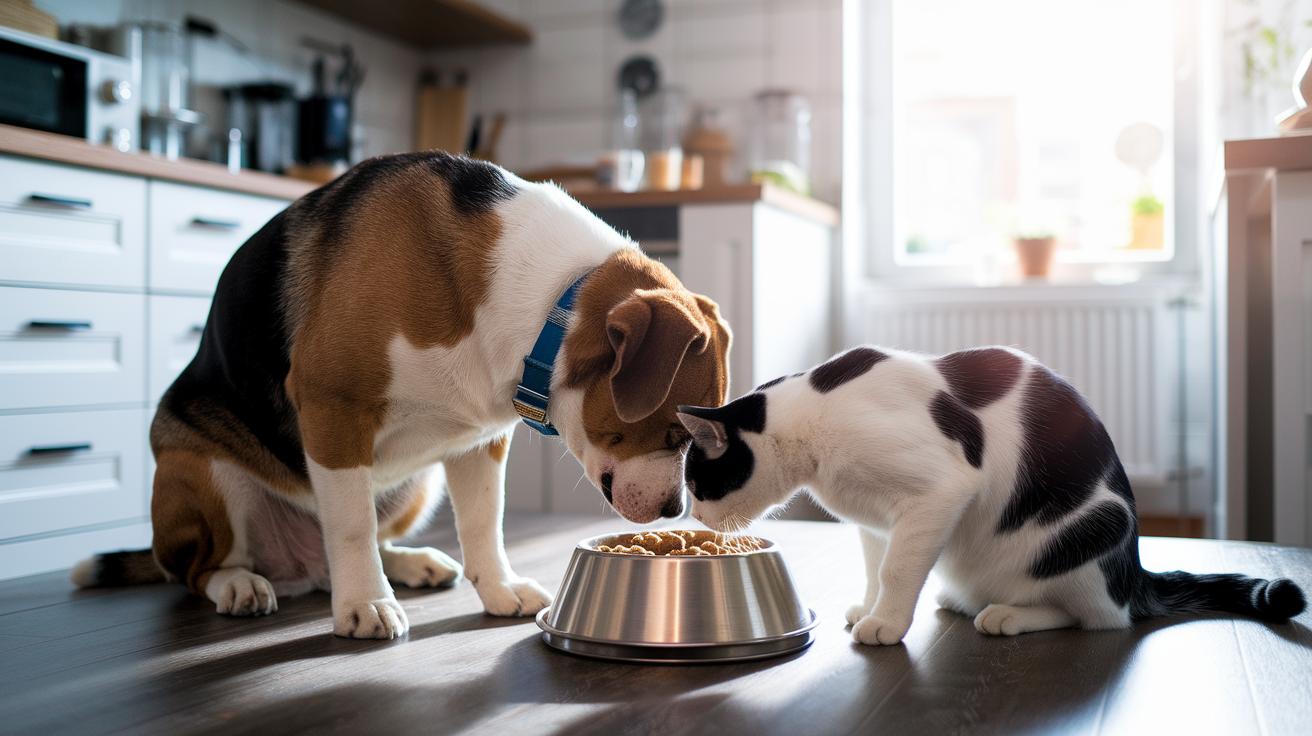
Adding supplements to your senior pet’s meals can really help them keep their pep as they age. For example, joint care supplements like glucosamine (a natural compound that supports smooth joint movement), chondroitin (a substance that cushions joints), and MSM (a compound that eases discomfort) work together to help ease stiffness. If your pet starts showing arthritis signs, mixing a little bit of these into their food can make a world of difference, kind of like adding oil to a creaky hinge.
Vitamin blends with vitamins A, E, and B-complex are also great for keeping your pet’s immune system strong and their energy levels up. They work like a balanced breakfast for your pet, keeping their coat shiny and their body running smoothly.
Staying well-hydrated is key too. You might try stirring supplements into wet food or low-sodium broth and even use a pet water fountain to encourage extra sips. This little trick not only makes the supplements tastier but also helps your furry friend drink more water throughout the day.
Antioxidants like vitamin C and E help fight inflammation (swelling) and can support brain function. When you start a new supplement, begin with a small dose over a few days and keep an eye on your pet. And of course, check with your veterinarian to make sure everything is going well, especially if there have been any recent changes in your pet’s health.
Final Words
In the action, the blog detailed key nutritional guidelines, ranging from balanced protein, fats, and vitamins to portion control and personalized feeding schedules. It also covered home-cooked meal ideas, hydration tips, and dietary tweaks for common pet health concerns. Every tip works together to form a roadmap for planning meals that support aging pets. This guide reminds us that a healthy diet for senior pets can make their golden years truly joyful and energetic.
FAQ
What does a healthy diet for senior pets to lose weight involve?
A healthy diet for senior pets to lose weight involves reducing calories while still providing balanced nutrients like lean protein, fiber, and hydration to support overall health and energy.
How can I create a healthy homemade diet for senior pets and dogs?
A homemade diet for senior pets should include lean proteins, fiber-rich vegetables, and whole grains to deliver balanced, easily digestible meals that meet reduced calorie needs and support subtle digestive systems.
What are the benefits of vet-recommended senior dog food?
Vet-recommended senior dog food uses quality ingredients with balanced macronutrients and controlled calories, supporting joint health and overall well-being while addressing the unique nutritional needs of aging dogs.
What should I feed an old dog that is losing weight?
Feeding an old dog that is losing weight involves nutrient-dense food with quality protein, healthy fats, and fiber, which supports muscle maintenance and helps stabilize a declining weight.
What human foods are safe for senior dogs?
Safe human foods for senior dogs include plain, lean options like cooked chicken and steamed vegetables, ensuring there are no seasonings or additives that could upset their sensitive digestive systems.
What can I offer an old dog that won’t eat?
Offering an old dog that won’t eat means serving highly palatable, soft foods with an appealing aroma and mild flavor, and warming the food slightly can help stimulate their appetite.
What does the 80-10-10 rule for dog food mean?
The 80-10-10 rule for dog food suggests a meal composition of roughly 80% lean protein, 10% fats, and 10% carbohydrates, aiming to support muscle maintenance and overall energy in dogs.
Are there any foods that senior dogs should avoid?
Senior dogs should avoid highly processed foods, excessive fats, and artificial ingredients that may strain their kidneys or joints; sticking with natural, wholesome options promotes better health.
Is it better to feed wet or dry food for senior dogs?
Choosing wet or dry food for senior dogs depends on their needs; wet food may help with hydration and ease chewing, while dry food can benefit dental health and offer an easy-to-measure portion size.