



Have you ever thought that a small change in your pet's meal might bring out a hidden burst of energy? A diet filled with essential nutrients does more than just fill their bowl. It keeps playtime exciting, helps build strong muscles, and even gives a beautiful, shiny coat.
By swapping regular meals for those rich in lean proteins, whole grains, and healthy fats, your furry friend can really shine with vitality. This article shows you how mixing key nutrients thoughtfully can brighten your pet's day and keep them healthy, energetic, and ready for fun.
Key Nutrients in a Nutrient-Rich Diet for Pets
A balanced diet for your pet starts with protein. Meals built around chicken, beef, fish, or eggs help build strong muscles and give a hefty protein boost that’s key for overall health. For example, a boiled egg can really change the game by increasing protein and adding a shiny, healthy coat.
Carbohydrates like brown rice, barley, and oatmeal give your pet the energy and fiber they need to stay active and keep digestion running smoothly. And then there are healthy fats. Omega-3 and omega-6 fatty acids (good fats that help with brain function and hormone control) in fish, plant oils, nuts, and seeds support a vibrant skin and coat.
Vitamins A, C, and E boost the immune system, while minerals like calcium and phosphorus work hard to build strong bones. Then there’s magnesium, iron, zinc, and B-vitamins, all playing a vital role in metabolism and helping oxygen travel through the body. Have you ever noticed how a little nutritional tweak can brighten your pet’s day? Check out a complete and balanced dog food label to make sure every meal has just the right mix of these important nutrients.
Crafting a Balanced Companion Nutrition Plan in Your Nutrient-Rich Diet for Pets

When planning your pet's meals, keep in mind that their nutritional needs change as they grow. Puppies are full of energy and need lots of protein, fat, and calories to build strong bodies. Feeding charts often recommend giving them several small meals each day with foods like chicken or egg and high-energy grains. Fun fact: a mix of lean proteins and healthy fats can work like a power-packed breakfast for a busy kid!
Adult dogs, on the other hand, have slower metabolisms. They don’t need as many calories, so it’s smart to adjust portion sizes to prevent weight gain. Many pet owners use vet-approved charts or calorie calculators to plan two balanced meals each day. These meals usually combine lean proteins, natural carbohydrates, and a bit of vegetables to help keep energy steady throughout the day.
Senior dogs often need a gentler diet. Foods with lower phosphorus, extra fiber, and antioxidant-rich ingredients (substances that help protect your pet’s cells) can support joint health and maintain energy levels. Cats also benefit from meals suited to their life stage, kittens might need extra nourishment, while older cats do well with lighter meals.
Here’s a quick breakdown:
| Life Stage | Diet Focus |
|---|---|
| Puppies | High protein, high fat, and several small meals during the day |
| Adult Dogs | Calorie controlled; split into two balanced meals with lean proteins, carbs, and veggies |
| Senior Dogs & Cats | Lower phosphorus, extra fiber, plus antioxidants in smaller, frequent servings |
By tailoring your pet’s meals to their age, you give them the best chance to stay happy and healthy every day. Have you noticed how the right meal can brighten your pet’s mood? It's all about serving up the perfect mix at each stage of their life.
Nutrient rich diet for pets: Spark Vitality
Let’s start by gathering fresh, organic ingredients to build a balanced meal for your pet. For instance, try steaming broccoli, pumpkin, and carrots. Steaming keeps the veggies crisp and full of nutrients without any extra grease, just like a gentle morning mist over a garden.
Next, whip up some boiled or scrambled eggs to add a protein boost without added fats. A neat trick is to scramble an egg with a splash of water instead of oil. It’s cost-effective and gives you an easy, lean protein source.
Then, add lean fish like salmon or sardines, which offer those omega-3 benefits (healthy fats that support your pet’s heart and joints). Avoid fish packed in oil and choose baking or broiling to keep the natural flavors and fats intact.
A spoonful of plain yogurt (with no added sugars) can also help, as it’s packed with probiotics (good bacteria that help your pet’s digestion). Think of it as a gentle pat on the head after a fun romp with your pet.
Finally, consider adding vet-recommended supplements if you feel there are any nutritional gaps. This final step ties the meal together and ensures your pet gets a truly balanced diet.
Follow these safe preparation steps:
- Use fresh, whole ingredients and avoid harmful additions like onion or garlic.
- Skip extra fats during cooking so natural flavors can shine.
- Always check with your vet before introducing new supplements.
For more DIY meal ideas, check out the balanced homemade dog food recipe guide at https://petsplacenews.com?p=574.
Evaluating Commercial Options for a Nutrient-Rich Diet for Pets

When you’re choosing dry kibble, the best option often starts with real meat at the top of the list. This means it skips fillers like corn, wheat, or by-products and gives your pet a steady, high-quality protein source. Keep an eye out for AAFCO approvals on the label; they tell you the food meets your pet’s nutritional needs.
Wet food is another great choice, especially if your pet benefits from extra moisture in their meals. Even though it's softer in texture, it's important to check the protein and fat levels so your furry friend gets a balanced diet. Labels usually show a breakdown of macronutrients, making it easier to see if your pet is receiving enough energy and vitamins.
There’s a lot of discussion among pet owners about raw versus lightly heated diets. Some believe that fully raw feeding might lose a few nutrients during cooking, while lightly heated options tend to hold on to more vitamins and enzymes (natural substances that help maintain health). If you’re exploring different feeding methods, lightly heated food offers a good mix of nutrient preservation without missing out on key benefits.
Reading the label is really key when it comes to understanding what your pet’s food offers. Compare the macronutrient levels, quality of ingredients, and overall food mix before you decide. Some specialty brands, like the ones featured on holistic pet food, provide extra guidelines and assurances in their formulas to help you feel confident about your choice.
Incorporating Superfoods and Supplements into a Nutrient-Rich Diet for Pets
Superfoods can really brighten up your pet’s meals. For example, blueberries pack in antioxidants (nutrients that protect cells), fiber, manganese, and vitamins C and E to help keep your furry friend healthy. Goji berries are another tasty pick that offers amino acids (the building blocks of protein), beta-carotene, and zeaxanthin for an extra burst of antioxidants.
Leafy greens like kale and parsley bring vitamins and minerals that support digestion and help repair the body. Oily fish such as anchovies and sardines are loaded with DHA and EPA (healthy fats that support skin and brain function). Seaweed, including nori and kelp, supplies iodine, which is important for a balanced thyroid. Plus, a sprinkle of chia seeds provides extra fiber and omega-3 fatty acids to keep your pet’s coat looking great.
Quinoa is a star ingredient as a complete protein full of fiber and important vitamins. Bone broth makes a soothing treat for active joints because it offers amino acids and minerals for joint support. Plain yogurt, rich in probiotics (good bacteria that help with digestion), benefits your pet’s tummy, while raw eggs contribute high-quality amino acids for muscle health.
When you’re adding supplemental powders for extra nutrients, chat with a trusted source, like tips for top pet supplements. Start with small amounts and slowly increase as advised. Always keep an eye on your pet for any changes, and make sure these superfoods are prepared simply, without any extra additives that could cause problems.
Tailoring a Nutrient-Rich Diet for Pets with Special Health Conditions
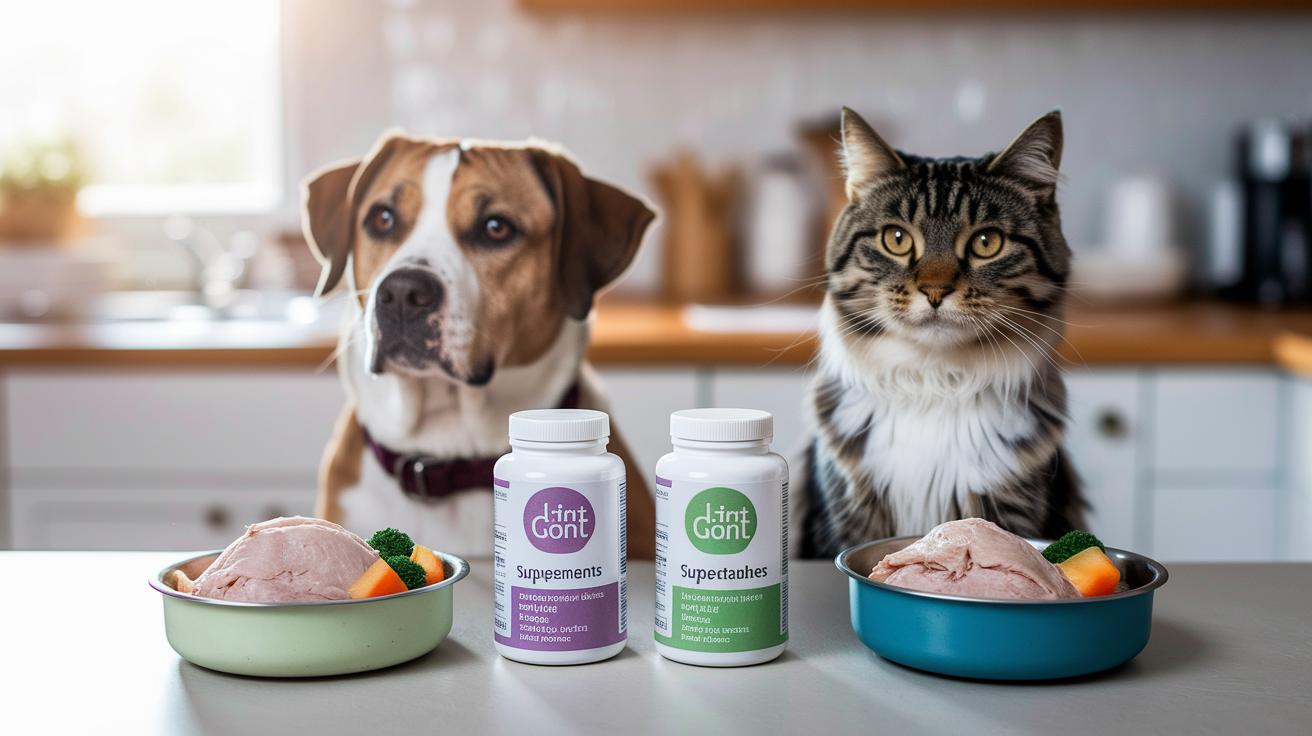
Pets with unique health needs can really thrive when you adjust their diets a bit. Many vets suggest adding supplements like glucosamine and chondroitin (ingredients that help ease arthritis pain) to support joint health.
For pets dealing with hip dysplasia, changing the balance of fats and proteins in their meals can ease joint stress while still giving them the energy they need. Offering lean proteins in several small meals throughout the day works well too, especially since older pets often have a slower metabolism and need a steady energy boost.
If your pet struggles with allergies, try alternative proteins like duck or venison. These foods help avoid common allergens such as corn and soy, making meals gentler on sensitive systems. Pets with delicate tummies also benefit from meals enriched with soluble fiber and probiotics (good bacteria that help with digestion). Finely chopped veggies and rice can be a soothing addition for a worried stomach.
Sometimes, small changes in ingredients can work wonders for managing chronic conditions. Tweaking recipes under your vet’s guidance not only boosts your pet’s overall well-being but can also help reduce flare-ups. By personalizing meals to your pet’s specific needs, you give them exactly what they require. Always check with your vet before making big changes so you can safely introduce allergy-friendly ingredients and foods that support a healthy metabolism.
Monitoring and Optimizing Your Nutrient-Rich Diet for Pets Over Time
Watching your pet’s food closely can really help keep them healthy. By checking the nutritional labels, you get a clear picture of the food's calorie and nutrient content. This simple step lets you spot when it might be time to adjust their diet as they grow or become more active.
It’s important to check on a few key signs every week, like changes in weight, energy, coat shine, and how they digest. Noticing these details can show you if your pet is getting the right balance of nutrients.
Here are some easy tips for planning meals:
- Look at labels for calories and nutrients.
- Keep an eye on weekly changes in weight, energy, fur quality, and digestion.
- Change food portions as needed; for example, most adult pets do well with two meals a day while older pets might do better with several smaller meals.
- Stick to a feeding schedule that fits well with your daily routine.
- Have a vet check-up every year to fine-tune the diet and make sure there are no nutritional gaps.
Final Words
In the action from breaking down key nutrients to adjusting diets for different life stages, we've seen how to power a nutrient rich diet for pets. We uncovered balanced companion nutrition, home-prepared recipes, commercial selections, and handy superfoods. We also explored how to fine-tune diets for special health needs and monitor your pet’s progress. A little extra care goes a long way toward keeping your furry friend happy and healthy.
FAQ
What is a nutrient-rich homemade diet for pets?
The nutrient-rich homemade diet for pets includes high-quality proteins, whole grains, fruits, and vegetables. It supports proper growth, energy, and a shiny coat when balanced with essential vitamins and minerals.
Is a healthy homemade diet good for dogs, and can scrambled eggs be included?
The healthy dog diet homemade plan can include scrambled eggs as a lean protein source. They offer necessary amino acids when cooked plainly without added fats or seasonings.
What human foods are safe for dogs?
The top safe human foods for dogs include lean meats, certain fruits, cooked vegetables, and whole grains. They should be served in moderation and prepared without harmful additives or seasonings.
How does a dog nutrition chart help me feed my dog?
The dog nutrition chart outlines portion sizes and nutrient needs based on age and activity level. It makes it easier to plan meals that provide a balanced mix of proteins, fats, and carbohydrates.
What can I feed my dog instead of commercial dog food?
The alternative to commercial dog food involves homemade recipes using high-quality proteins, whole grains, and vegetables. These meals can meet nutritional needs when planned alongside veterinary advice.
What is the most nutritious diet for dogs?
The most nutritious diet for dogs is balanced with quality proteins, healthy carbohydrates, and essential fats, along with vitamins and minerals. This mix supports energy, immunity, and overall well-being.
Why can’t dogs have cooked carrots?
The reason cooked carrots can be a concern is that overcooking may reduce their fiber and nutrient content. However, plain, lightly cooked carrots in moderation are generally safe for dogs.
What is the 90 10 rule for dog food?
The 90 10 rule for dog food means that 90% of the diet should come from nutrient-dense whole foods, while up to 10% can be made up of extras like treats, promoting balanced nutrition.