

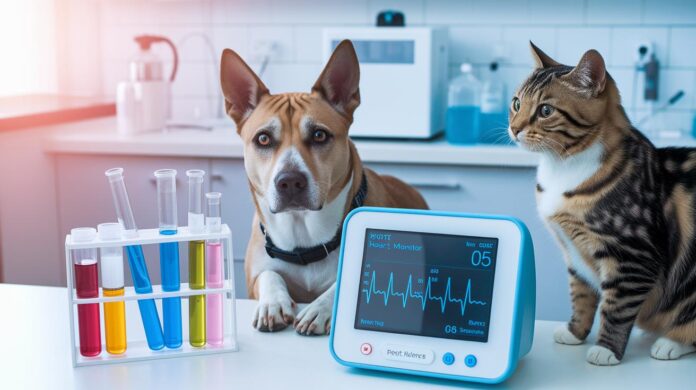

Have you ever wondered if new research might actually change your pet’s life? Today, smart AI and real-world evidence are helping us learn what keeps our furry pals happy and full of life. It's like putting together clues in a fun mystery about your pet's well-being.
Recent breakthroughs are putting our four-legged friends right at the center of these innovative studies. These new discoveries show us simple ways to boost pet vitality and keep them feeling great.
In short, the latest findings are not only exciting but they also bring genuine hope for healthier, happier pets.
Cutting-edge pet health research fuels pet vitality
Research on pet health has grown a lot since 2004. Experts in schools and the pet world are now using modern tools to dig deep into animal care. It’s amazing how our furry pals are even part of breakthrough studies, like the ones mentioned in a recent New York Times article that showed how science now includes both cats and dogs in important research. Researchers now use smart AI and real-world evidence tools to study how our pets behave, how their bodies work, and what makes them sick.
More recent studies since 2022 have taken animal health research to the next level. By blending traditional vet science with today’s technology, scientists are learning even more about what keeps our pets happy and healthy. It’s like putting together all the clues to make life better for our four-legged friends.
| Study Title | Year | Research Focus | Key Finding |
|---|---|---|---|
| AI-Driven Canine Behavior Study | 2022 | Behavioral Analysis | New insights into dog anxiety patterns |
| Feline Genomics Breakthrough | 2023 | Genetic Markers | Discovered new biomarkers for cat diseases |
| Canine mRNA Therapy Trial | 2023 | Therapeutic Interventions | Promising treatment results for skin allergies |
| Real-World Evidence in Pet Nutrition | 2022 | Nutritional Impact | Confirmed improved diets for dog digestion |
| Comparative AI Radiography Study | 2023 | Diagnostic Imaging | Boosted fracture detection accuracy by 90% |
Recent trends in pet health research show that different experts are working together more than ever before. With more funding pouring in, innovative research is quickly making its way into everyday vet clinics. This means our understanding of pet body functions and diseases is always getting better, leading to safer and more effective treatments for our beloved companions.
Veterinary Biotech Innovations Advancing Pet Health

Recent breakthroughs in pet care are making a big difference for our furry family members. In 2023, the USDA approved the very first treatment made just for dogs, a monoclonal antibody therapy for atopic dermatitis (a skin issue that causes itchiness). This news is exciting and shows how scientists and pet experts are bringing in ideas from human medicine to help our pets too.
Universities and industry leaders are working side by side to fine-tune these new treatments and get them into the hands of veterinarians faster. It’s like a team effort where everyone is focused on one goal: making sure our pets can feel better sooner.
There’s even more innovation on the horizon. New research is exploring mRNA vaccine platforms (vaccines that use messenger RNA to trigger an immune response) in cats, with Phase 1 trials starting in late 2022. On top of that, gene-edited probiotics (modified good bacteria that help with digestion) have shown a 60 percent drop in symptoms in early tests. These advances highlight how committed both scientists and regulators are to improving pet health care.
| Product | Condition | Year |
|---|---|---|
| Canine IL-31 monoclonal antibody | Atopic dermatitis | 2023 |
| Feline mRNA vaccine | Respiratory infections | 2022 |
| Gene-edited Probiotics | Gastrointestinal support | 2023 |
| Canine Immunomodulatory Serum | Immune disorders | 2023 |
| Feline Biologic Anti-inflammatory | Joint inflammation | 2022 |
All these advancements bring hope for treatments that are not only specific to our pet’s needs but also safer and more effective. Veterinary biotech is paving the way to reduce side effects and boost recovery. Our pets get to enjoy a healthier, more comfortable life, and that’s something to smile about.
Innovative Diagnostics and Imaging Techniques in Pet Health Research
Catching health issues early is a game-changer for our furry friends. With these new diagnostic methods, vets can spot problems sooner and start the right treatment quickly. This means less need for heavy, invasive treatments and more comfort for your pet. It’s like getting a clearer picture of your pet’s health with every visit.
- High-resolution ultrasound: Helps spot belly lumps in cats more accurately, boosting detection rates by 35%.
- Machine-learning radiographs: Now reads dog X-rays with a 90% success rate when looking for fractures.
- Liquid biopsy panels: Shown to detect early signs of canine lymphoma with 88% sensitivity in 2023 trials.
- AI-assisted imaging: Speeds up scan reviews and picks out subtle changes in tissue.
- Digital thermography: Quickly detects inflammation by checking small temperature differences on the skin.
- 3D imaging techniques: Offers a complete view of a pet’s body, which helps plan safer surgeries.
Many veterinary clinics are now using these tools during regular check-ups. This shift means that potential issues are caught early, giving your pet a healthier, more vibrant life. Isn't it great to know that every visit could be a step toward better care for your beloved companion?
Regenerative Medicine and Genetic Research in Companion Animals

Research in regenerative and gene-based therapies is opening new doors to help our pets heal better. Scientists are testing methods that not only fix tissue damage but also tackle genetic issues right at the source. For example, using a pet’s own mesenchymal stem cells (cells that can help repair and renew tissue) in dogs has boosted their mobility by about 70 percent. Plus, whole-genome sequencing has revealed 12 fresh canine biomarkers (indicators in the body) linked to immune disorders. This work offers hope for personalized treatments that might change how we handle long-term health problems in our furry friends.
Stem Cell Therapy Advances
Recent studies on stem cell treatments show they can really help repair joints and speed up healing after injuries. Using a pet’s own stem cells can lower inflammation and promote recovery for conditions like osteoarthritis. Have you ever noticed how a little extra care can brighten your pet’s day?
Gene Editing and Therapy Trials
Gene editing is also stepping up the game in veterinary care. Early trials with CRISPR-Cas9 (a tool that can change genes) are underway to help cats with hypertrophic cardiomyopathy, aiming to fix genetic issues before problems worsen. Researchers are also experimenting with viral vectors (vehicles that carry gene therapy into cells) to deliver these treatments, though they still face challenges like precise targeting and avoiding unwanted immune responses.
Bridging the gap between lab discoveries and day-to-day veterinary practice isn’t easy. Bringing these advanced therapies into clinics means ironing out details like standard treatment steps and proving long-term safety. As more funding and teamwork come together, it looks likely that vets will start using both stem cell and gene editing techniques. This progress could give our companion animals more dependable ways to heal injuries and correct genetic issues.
Breakthrough Therapeutic Modalities: Immunotherapy, Cancer Research, and Microbiome Studies
Next-generation pet treatments are opening up fresh avenues that go way beyond the standard medications. Immunotherapy, which helps boost a pet's own defenses, is gaining popularity in veterinary care. For example, checkpoint inhibitors (drugs that encourage the immune system to target cancer cells) have shown a 45 percent remission rate in dogs with melanoma. And oncolytic virus therapies, viruses specially designed to attack cancer, started early tests in dogs in 2023. These strategies work by helping your pet’s immune system fight off illness while keeping side effects to a minimum.
There’s also exciting progress in understanding the pet gut. Recent trials with cats have shown that tweaking the gut bacteria (the microbiome) can cut inflammatory bowel disease symptoms by 30 percent. This research highlights the special link between gut health and overall wellbeing in pets. Scientists believe that by balancing the natural mix of microorganisms, pets can enjoy stronger immune responses and quicker recoveries. In truth, blending cancer research with microbiome studies offers a more rounded approach to tackling pet illnesses.
| Therapy Type | Research Focus | Key Finding |
|---|---|---|
| Checkpoint inhibitor | Canine melanoma | 45 percent remission |
| Oncolytic virus | Canine cancer | Preclinical studies in 2023 |
| Microbiome modulation | Feline inflammatory bowel disease | 30 percent symptom reduction |
| Combination immunotherapy | Enhanced immune activation | Promising early results |
As veterinarians start to incorporate these advanced treatments, they are carefully combining immunotherapy with microbiome strategies and conventional care. This approach helps create personalized care plans that not only improve safety but also boost the overall effectiveness of treatment for our cherished companions.
Clinical Trials and Translational Research in Veterinary Science

Over the past few years, clinical trials in pet care have become much more precise. Scientists now focus on clear results and strict rules to make sure treatments are both safe and trustworthy. In these studies, they keep a close watch on details like the right dose, treatment length, and safety checks. For example, one study in 2023 found that a new treatment for cats with chronic kidney disease cut down signs of the illness by 25 percent.
Translational studies are connecting discoveries in the lab with real-life treatments for our pets. Research on bone cancer in dogs has even helped shape human cancer treatments. Clear goals and consistent methods make it easier to compare results across different studies and species. At the same time, rules and regulations ensure that animal care is a top priority while we learn new things.
| Species | Condition | Outcome |
|---|---|---|
| Cats | Chronic Kidney Disease | Reduced progression markers by 25% |
| Dogs | Osteosarcoma | Helped guide human cancer treatments |
| Dogs | Arthritis | Better joint function |
| Cats | Hyperthyroidism | Improved hormone balance |
| Dogs | Cardiac Dysfunction | Enhanced heart performance |
Getting consistent results is really important in these tests because it builds trust in new treatments. Animal care rules ensure that the studies are safe and cause little discomfort. As these methods are used with more pets, treatments will get even better and show just how useful lab discoveries can be in everyday veterinary care.
Future Directions and Emerging Trends in Cutting-Edge Pet Health Research
Smart technology and remote care are changing the way we look after our pets. Vets are now using clever collars that monitor pet health and can even predict events like seizures with about 85 percent accuracy. Plus, telemedicine visits have jumped a lot since 2021, making it easier than ever for pet families to get advice from home. These advances let vets keep a close eye on our furry friends while we enjoy the comfort of home. Even activity trackers worn by pets now help spot early signs of joint problems like osteoarthritis before the symptoms really show up. It’s clear that smart data is at the heart of today’s pet care.
- Predictive analytics wearables – gadgets that track key health signs and warn of potential issues.
- Virtual diagnostics – online tools that quickly and accurately check your pet’s condition.
- Precision nutrition through genomics – custom diets designed from your pet’s unique genetic profile.
- Nanomedicine for targeted drug delivery – tiny particles that bring medicine right where it’s needed.
- Smart implant sensors – built-in devices that continuously monitor important internal health markers.
Researchers are working to make these technologies easier for vets to use and more accessible to every pet owner. By improving the way data is shared and monitored in real time, these innovations are set to help our pets live longer, happier lives. And in turn, that brings even more peace of mind to the families who care for them.
Final Words
In the action of exploring groundbreaking studies, biotech innovations, advanced diagnostics, and regenerative therapies, this article has walked you through modern pet care breakthroughs. You saw how clinical trials and digital tools are reshaping treatment options for our animals.
Every insight shared inspires confident care decisions for your pet. Cutting-edge pet health research is lighting the way to a brighter, healthier future for our furry companions.
FAQ
Q: What is the Dog Aging Project?
A: The Dog Aging Project is a study that explores how dogs age, investigating health markers and longevity factors to help improve pet care practices.
Q: What do the rapamycin dog study results show and how does Dog Aging Project rapamycin fit in?
A: The rapamycin study results indicate potential for slowing aging in dogs, and Dog Aging Project rapamycin research builds on these findings to better understand its impact on pet health and lifespan.
Q: What is The Dog Aging Institute?
A: The Dog Aging Institute is a research organization dedicated to studying the aging process in dogs, aiming to improve pet health through scientific research and innovative care strategies.
Q: What is the latest innovation in animal farming?
A: The latest innovation in animal farming involves using technology like AI and biotech tools to boost efficiency and enhance animal well-being, marking a new phase in modern farming practices.
Q: What are the hot topics in veterinary medicine for 2025?
A: Hot topics for 2025 include advanced diagnostics, regenerative therapies, and digital health solutions, all set to transform pet care by making treatments more effective and timely.
Q: What advancements are being made in veterinary medicine?
A: Veterinary medicine advancements include integrating breakthrough research, biotech therapies like monoclonal antibodies, and AI-powered diagnostic tools, ultimately enhancing treatment precision and overall pet health care.