



Have you ever noticed how even a tiny science breakthrough can change the way we care for our pets? At a veterinary research institute, devoted experts turn lab findings into everyday treatments. It feels a bit like watching gentle ripples spread in a quiet pond when they compare vaccine trials and try out new tools. Every little advance not only improves pet care but also sparks hope for animals everywhere. With each step forward, these research centers help make life better for our beloved furry friends and everyone who loves them.
Roles and Global Impact of a Veterinary Research Institute

A veterinary research institute is where dedicated experts work to boost animal health. They dive into studying animal diseases, testing new treatments (translational medicine means turning lab discoveries into everyday fixes), and making sure lab tests follow high standards. For example, research teams often compare vaccine trials with new diagnostic tools to give pets a chance at a healthier life. Ever wonder how science made a huge leap from uncertainty to better pet care?
Big names like the National Veterinary Research Institute, Vom, the Veterinary Research Institute in Brno, and Veterinary Health Research Centers LLC show just how important these sites are. They not only run biotech clinical trials and advanced regenerative treatments but also spark collaborations around the globe. These institutes aren’t just about groundbreaking research, they also train future experts and share findings in friendly workshops and publications with partners worldwide.
When these institutes discover something new, it changes how animal science centers tackle treatments and prevention. It’s like a ripple in a pond, spreading new ideas on modern diagnostics and vaccine innovations. This progress helps raise the bar in veterinary care everywhere. And really, isn’t it comforting to know that every little discovery helps create a better world for our furry friends?
Historical Milestones at a Veterinary Research Institute

Rinderpest Outbreak Research
The Rinderpest outbreaks in West Africa shocked everyone and led to big advances in veterinary science. Between 1885 and 1890, over 90% of cattle died, and communities felt the heavy loss. Then, during the 1913–1914 outbreak, cattle numbers fell from 9.01 million to only 2.7 million. These numbers show just how fierce the disease was. They also pushed the creation of special veterinary services in colonial protectorate areas. Researchers used these hard facts to study the disease in a careful, step-by-step way. For instance, they compared herd numbers before and after the outbreaks. One expert remarked, "When you see over 90% loss, you know that old methods just didn't work."
Mpox Carrier Identification
Early work then turned to researching mpox and figuring out its natural hideouts in West and Central Africa. Their focused study showed that African forest rodents were key in carrying the virus. With lots of field work and lab tests, experts saw how these small animals moved the virus around in the wild. One scientist shared, "Finding out that rodents can carry the virus has changed our view of how it spreads naturally." This insight paved the way for more research on diseases that jump from animals to people (zoonotic diseases).
Bird Flu Surveillance
Bird flu surveillance is still a key area of work. Scientists at the center keep a close eye on bird migration routes in Nigeria, where bird flu strains seem to change over time. They test samples during seasonal migrations and study the patterns of new strains. One team member said, "By watching these routes, we can predict changes in the disease and improve our early warning systems." This ongoing effort is part of a larger mission to strengthen disease centers for livestock and protect both pets and wildlife.
Core Research Domains in Veterinary Research Institutes
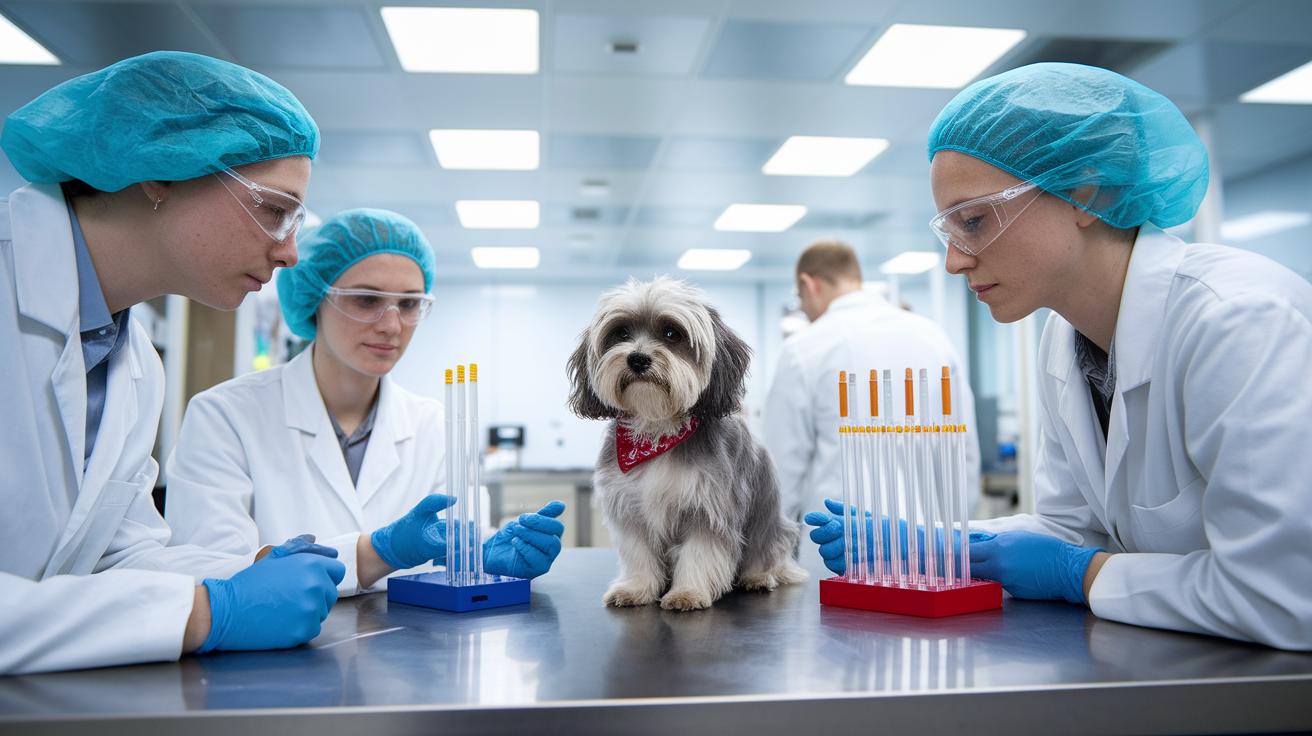
At veterinary research institutes, experts dive into many subjects that mix cutting-edge science with everyday pet care. One key area is clinical animal research. Here, scientists perform careful tests to see how new treatments work and watch how they affect the health of pets. For instance, a team might study how a new drug influences a pet's metabolism (the process by which the body uses energy) by carrying out detailed tests, kind of like a thorough checkup that both vets and researchers benefit from.
Another important focus is exotic animal research. In this field, scientists examine unique species not commonly seen at home. They test treatments or vaccines on these animals to learn helpful lessons that can improve care for all pets. Sometimes, researchers remark that studying rare species can spark insights that benefit everyday animal health.
Advanced animal medicine is also a fast-growing field. Researchers here compare the immune responses of different species (which is known as comparative immunology) and work on new treatments like regenerative medicine (using the body’s healing abilities). One expert shared that watching a pet recover against all odds reminds us why we keep pushing the boundaries of animal care.
Vaccine development plays a crucial role too. Many institutes run studies to see how well vaccines boost a pet’s immunity, much like our annual shots help keep us healthy. These projects, often part of clinical trials in animal care, pave the way for better overall health for our animal friends.
| Research Domain | Example Project | Leading Institute |
|---|---|---|
| Clinical Animal Research | Drug Interaction Studies | Veterinary Health Research Centers LLC |
| Exotic Animal Research | Rare Species Health Trials | Veterinary Health Research Centers LLC |
| Advanced Animal Medicine | Regenerative Treatment Programs | Veterinary Health Research Centers LLC |
| Vaccine Development for Animals | Immunity Booster Trials | Veterinary Health Research Centers LLC |
| Clinical Trials in Animal Care | Comparative Immunology Investigations | Veterinary Health Research Centers LLC |
Research Output and Metrics at Veterinary Research Institutes

Between Sept 1, 2024 and Aug 31, 2025 the Veterinary Research Institute in Brno watched over its research work very carefully. Researchers kept track of total article counts along with fractional shares (this shows how much each study really adds to our overall knowledge) so we get a clear picture of each study's contribution in animal science. The breakdown by subject area helps compare the institute with others both at home and abroad. They look at top topics not just in natural and health sciences, but also in studies that quickly put research into real practice for animal care.
Key metrics include:
| Metric | Description |
|---|---|
| Total Articles vs. Fractional Shares | Counts every research study and shows its true contribution |
| Breakdown by Subject Area and Top Topics | Highlights key fields and trending subjects |
| Domestic vs. International Ranking | Compares the institute with others around the world |
| Collaboration Scores from Co-authored Publications | Measures teamwork and joint research efforts |
These points clearly show how research performance is measured by looking at both the range and depth of investigative work. Each metric tells a story about steady breakthroughs and gives a real look at trends in animal science research. Experts often use these numbers to mark major veterinary research breakthroughs (big steps forward in how we care for our pets). This all-inclusive approach highlights the institute’s commitment to pushing forward our understanding and setting top standards in veterinary care all around the world.
Collaborations and Global Partnerships at Veterinary Research Institutes

Veterinary research institutes depend on animal health partnerships to make a bigger difference for our pets. They join forces with both local and international teams to swap ideas and share findings, just like a group of pet lovers getting together to solve tricky puzzles. For example, many institutes work with experts in biotechnology and regenerative medicine, much like Veterinary Health Research Centers LLC partnering with specialists to try out new treatments.
Working with experts from around the globe has opened doors to projects that cross borders. One researcher said, "Collaboration lets us harness our different skills to deliver results that are fresh and useful." Data from the Brno Veterinary Research Institute shows the top five contributors at home and abroad, proving that every partner’s input is essential. Every bit of work is counted the same.
Many pet research programs use a consortia model where every member shares the work equally. This way of working shows that teamwork and shared responsibility can push progress in areas like vaccine creation and clinical trials. Studies around the world have revealed that these partnerships not only raise the quality of research but also speed up the arrival of new treatments for our furry friends.
- Collaboration boosts idea sharing
- Joint consortia make sure every contribution counts
- International teams make research even stronger
These partnerships truly highlight a global promise to move veterinary science forward.
Animal Health Laboratories and Facilities in Veterinary Research Institutes

Veterinary research institutes use modern animal health labs that help push new discoveries in animal care and testing. Many of these labs are set up for pet diagnostics, where careful tests and germ checks take place in very safe conditions. One researcher said, "Visiting a pet lab feels like watching science in action, where careful work meets genuine care."
These institutes also have special spaces for farm studies. In these labs, researchers study diseases in farm animals and try out new vaccines. They follow clear, strict rules that match international animal welfare guidelines. With tools like advanced microscopes and automated testing machines, they make sure every result is as accurate as possible.
Studying diseases closely is another big focus. Research centers run pathology labs where experts examine infections in both pets and farm animals. They use new imaging tools and simple lab techniques to confirm what is wrong and help improve treatments. This shows how much these institutes care about quality and always getting better.
High-level biosafety labs play a key role too. They ensure that every test, from checking for germs to developing vaccines, follows strict safety rules. These secure labs keep exposure to a minimum while letting scientists study both new and common diseases. Every step, from collecting samples to finishing the tests, sticks to high standards that support trusted research in animal health.
Educational and Professional Programs at Veterinary Research Institutes

Veterinary research institutes mix classroom lessons with real lab work to give students a solid understanding of animal science. They design well-organized programs covering basics like how an animal's body works (physiology), the role of tiny germs (microbiology), and studying differences among animals. Students get to work in labs much like watching a vet care for a pet, and one student said the lab rotations felt like "unlocking the secrets behind animal health, one experiment at a time."
Curriculum Insights
The courses combine friendly lectures with plenty of hands-on experiences. Students explore science ideas in a way that helps them think deeply and solve problems. For example, studying different ways to diagnose diseases in common pets and even exotic animals shows the variety in approach. Teachers who work as researchers and practicing vets lead small group sessions and guide lab work so that everyone can put theory into practice. This balance of learning makes it easy for graduates to jump into research or start working in clinics right away.
Scholarship and Fellowship Programs
Many of these institutes also offer scholarships and fellowships to help students who show real promise. These programs can include cash awards, jobs as research assistants, or extra funds for lab projects. Schools make sure the application steps and deadlines are clear, so you always know what to do next. One student shared that "receiving a fellowship not only eased financial burdens but also boosted my confidence to pursue advanced studies in animal health." Such opportunities help open doors to bright careers and further study in animal medicine.
Funding, Grants, and Upcoming Events at Veterinary Research Institutes

Animal research gets a big boost from various funding sources like government budgets, international grants, and industry partnerships. These funds help veterinary research institutes study new ways to care for our pets and farm animals. They work on projects that test fresh diagnostic methods, check how well vaccines work, and explore new treatments that can enhance the health of all animals. Many institutes have solid grant programs that give scientists the tools they need for important experiments. Some programs even focus on clinical trials for innovative therapies and better imaging techniques, all aimed at improving care for our animal friends.
Apart from securing steady funds, many institutes also host events focused on animal research. Annual symposiums and seminar series bring together experts who share the latest findings on vaccine performance, breakthrough diagnostics, and upcoming treatment methods. These gatherings create a space for collaboration where scientists, industry pros, and funding agencies can swap ideas. For example, one symposium might dive into best practices in turning research into real-life care, sparking conversations that lead to new grants and partnerships. All upcoming conferences and events are shared within the community so everyone stays updated on fresh opportunities to move veterinary science forward.
Final Words
In the action of exploring the steps taken by a veterinary research institute, we unraveled the key milestones, core research domains, global partnerships, and hands-on educational programs that pave the way for modern pet health care. The article broke down lab excellence, impactful historical events, and funding insights that all work together to advance animal science. This mix of breakthroughs and collaborative ventures paints an optimistic picture for the future of pet health, instilling hope for more life-changing discoveries ahead.
FAQ
What do veterinary research institute jobs involve?
Veterinary research institute jobs encompass roles in animal health studies, data analysis, laboratory work, and sometimes teaching, all aimed at improving pet care through innovative research.
What are veterinary research institute reviews about?
Veterinary research institute reviews highlight feedback on job satisfaction, research quality, advanced facilities, and the overall impact of these institutions on animal health.
What is National Veterinary Research Institute Jos known for?
National Veterinary Research Institute Jos is known for its crucial research in animal disease control and vaccine development, contributing significantly to the region’s veterinary health efforts.
What do veterinary research institute courses offer?
Veterinary research institute courses offer a mix of theoretical learning and hands-on training in animal science, laboratory techniques, and modern diagnostic practices.
What does Veterinary Research Institute Gannoruwa Peradeniya specialize in?
Veterinary Research Institute Gannoruwa Peradeniya specializes in advanced veterinary studies, fostering innovation in diagnostics, treatment methods, and collaborative research projects.
What research is conducted at Veterinary Research Institute Vom?
Veterinary Research Institute Vom conducts research focusing on animal disease control, historical outbreaks like Rinderpest, and current studies to improve diagnostic and treatment practices.
What functions does the veterinary research institute in Lahore perform?
The veterinary research institute in Lahore performs advanced research, clinical trials, and vaccine development, contributing to modern animal diagnostic and treatment methodologies in the region.
What does the National Veterinary Research Institute (NVRI) in Lagos do?
The National Veterinary Research Institute in Lagos leads projects in disease surveillance, diagnostics, and vaccine studies, playing a key role in improving animal health across Nigeria.
Why are so many veterinarians quitting?
Many veterinarians are quitting due to high stress, long hours, and increasing administrative responsibilities that challenge their work-life balance and passion for animal care.
Where is the National Veterinary Research Institute located?
The National Veterinary Research Institute is found in Nigeria with main campuses in Vom and Lagos, each contributing to significant advancements in veterinary research.
How does one become a veterinary research scientist?
Becoming a veterinary research scientist involves earning a veterinary degree, gaining hands-on research experience, and specializing in animal disease studies and medical innovations.
What is the biggest issue facing veterinary medicine today?
The biggest issue facing veterinary medicine today is antibiotic resistance, which complicates treatments and calls for further research to develop new, effective solutions.