



Have you ever thought a simple daily routine could change your pet's life? A regular plan might be just what your furry friend needs to feel happier and more energetic.
Imagine taking your pet for a walk at the same time every day, serving meals on a clock, and fitting in plenty of fun play. These little steps can help ease their anxiety and boost their overall health.
Picture your pet feeling safe and ready for whatever comes next, almost like following a favorite recipe. A bit of structure can turn everyday moments into real opportunities for joy and well-being.
Blueprint for Daily Routines to Boost Pet Vitality
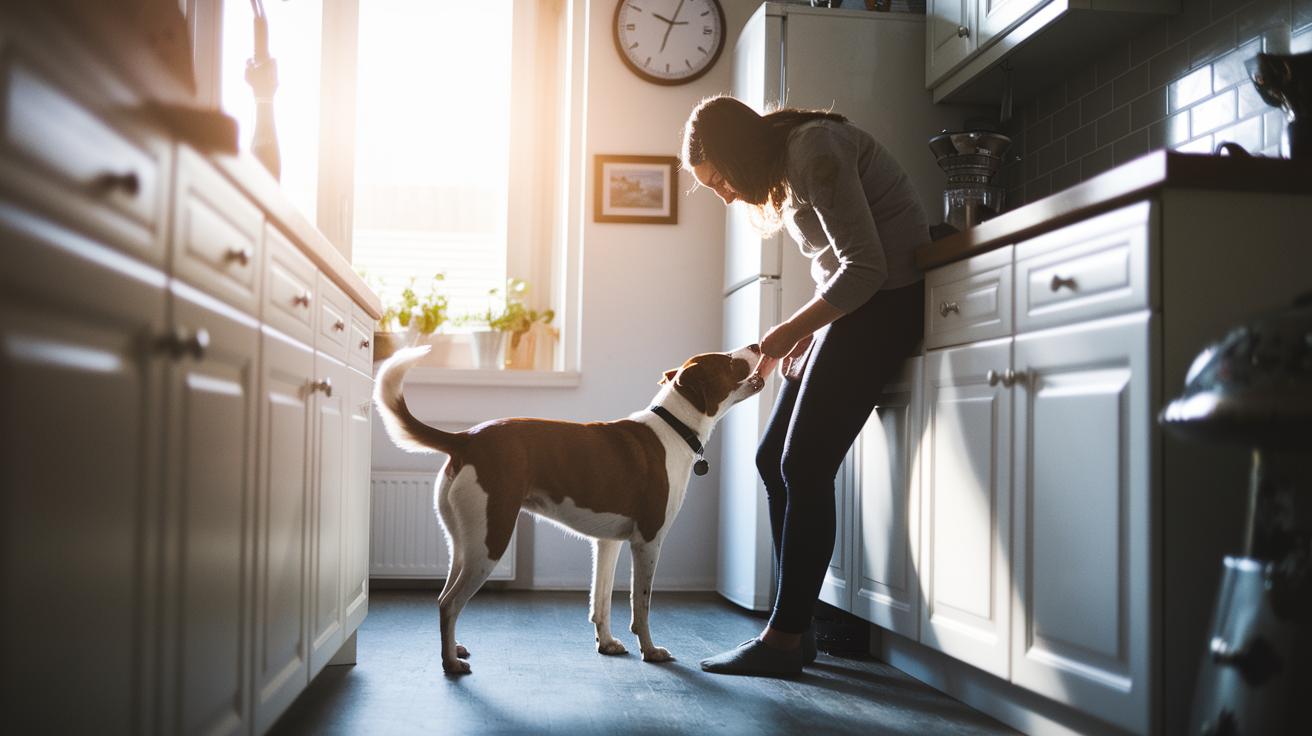
When you follow a daily plan, your pet stays happy and healthy. Regular routines can help ease anxiety, boost physical well-being, and strengthen the bond you share with your furry friend. When pets know what to expect, they feel safe and comfortable, which makes their behavior better and their mood brighter. As the Pet Daily Care guide explains, set mealtimes, exercise, play, and sleep are the building blocks of a great day for your pet.
Having a daily routine makes your daily decisions simpler and gives your pet a clear schedule. A well-planned day helps you keep an eye on your pet’s energy and manage stress, while also offering the mental and physical fun they need. This steady approach creates a sense of stability that works for you both.
- Morning: a brisk walk followed by a meal
- Midday: an active play session with a little mental challenge
- Evening: a calm wind-down period and a second meal
Following this blueprint lets you easily mix these key activities into your pet’s day. A routine that is both structured and flexible helps your pet feel secure and full of energy, making every tail wag and quiet moment at home even more special.
Balanced Nutrition Timing for Pet Vitality
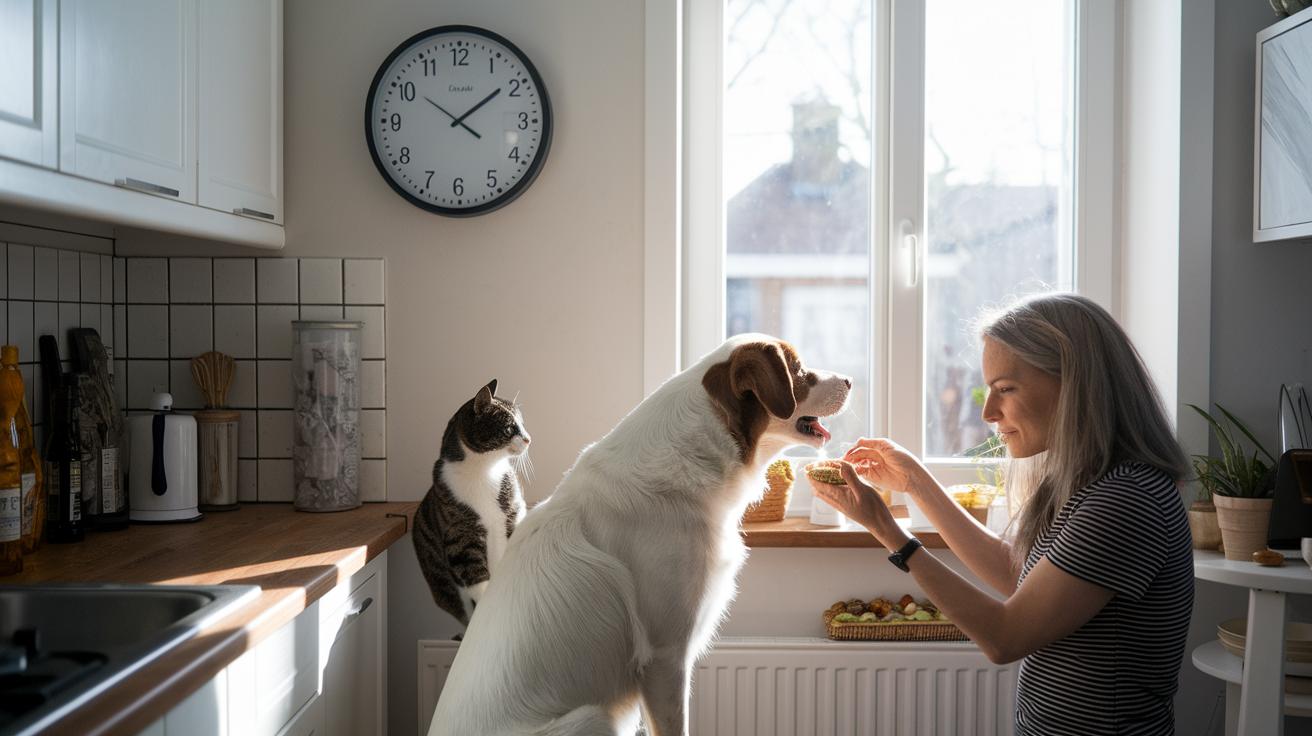
Feeding your pet at the same time every day is really important. It helps keep their energy steady, stops them from overeating, and supports good digestion. Think of it like setting your clock, when your pet knows exactly when to eat, they feel safe and ready for the day. Much like starting your morning with a warm cup of tea, a routine mealtime can make all the difference.
When deciding on the right amount of food, keep in mind your pet's age, size, and how active they are. Most vets (animal doctors) suggest splitting your pet's daily food into several smaller meals. This not only helps avoid overeating but also keeps their energy levels balanced throughout the day.
| Meal Time | Portion Size | Recommended Timing |
|---|---|---|
| Breakfast | Small to moderate | Early morning |
| Lunch | Moderate | Midday |
| Dinner | Moderate to slightly larger | Evening |
It also helps to check in with your veterinarian as your pet grows or changes their activity level. Their advice can help you tweak the meal plan to fit your pet's needs perfectly.
Energizing Exercise and Movement Schedules for Pet Vitality
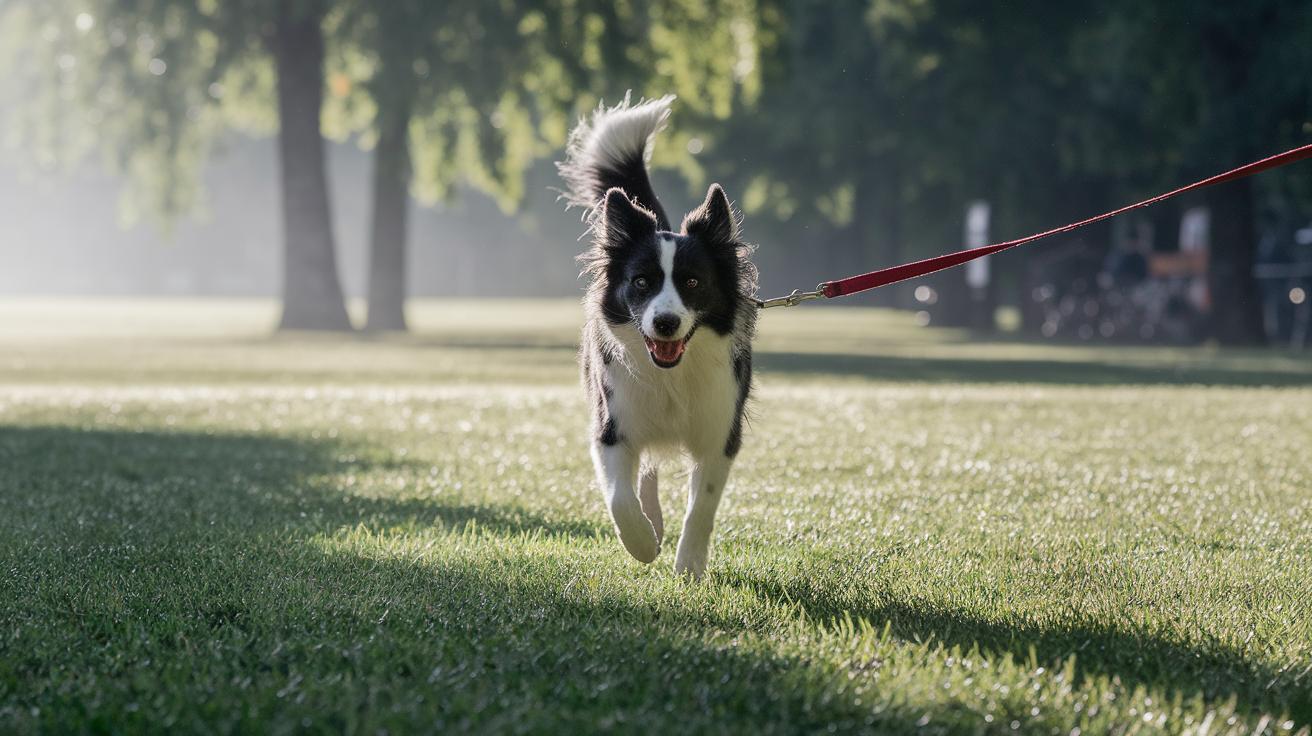
Start your pet’s day with a brisk morning walk. A quick walk in the cool air helps burn off extra energy and can ease stress, making your pet more relaxed later when alone. Think of it as a simple warm-up that gets them ready for more active fun, just like a short jog jump-starts your day. Picture a happy dog trotting along, tail wagging and ready to greet the morning with joy.
As midday rolls in, try a light activity like a toss-and-fetch game. This short burst of action keeps boredom away, especially when you’re busy with work or other tasks. Imagine your pet eagerly chasing a ball or taking part in a mini agility challenge outside. It’s a fun and easy way to refresh both their mind and body.
Later in the day, consider a longer or a bit more challenging workout. A long walk or a playful running session not only boosts fitness but also sharpens your pet’s mind as they explore new surroundings. This could be a joyful run around a quiet park or a gentle jog through a safe neighborhood. It’s a simple way to build muscle strength and keep your pet engaged.
Remember to adjust the intensity and length of each activity to match your pet’s age, breed, and energy level. Tailor the routine to fit their unique needs so every session is both fun and beneficial for your pet’s overall vitality.
Mental Stimulation and Interactive Play for Pet Vitality
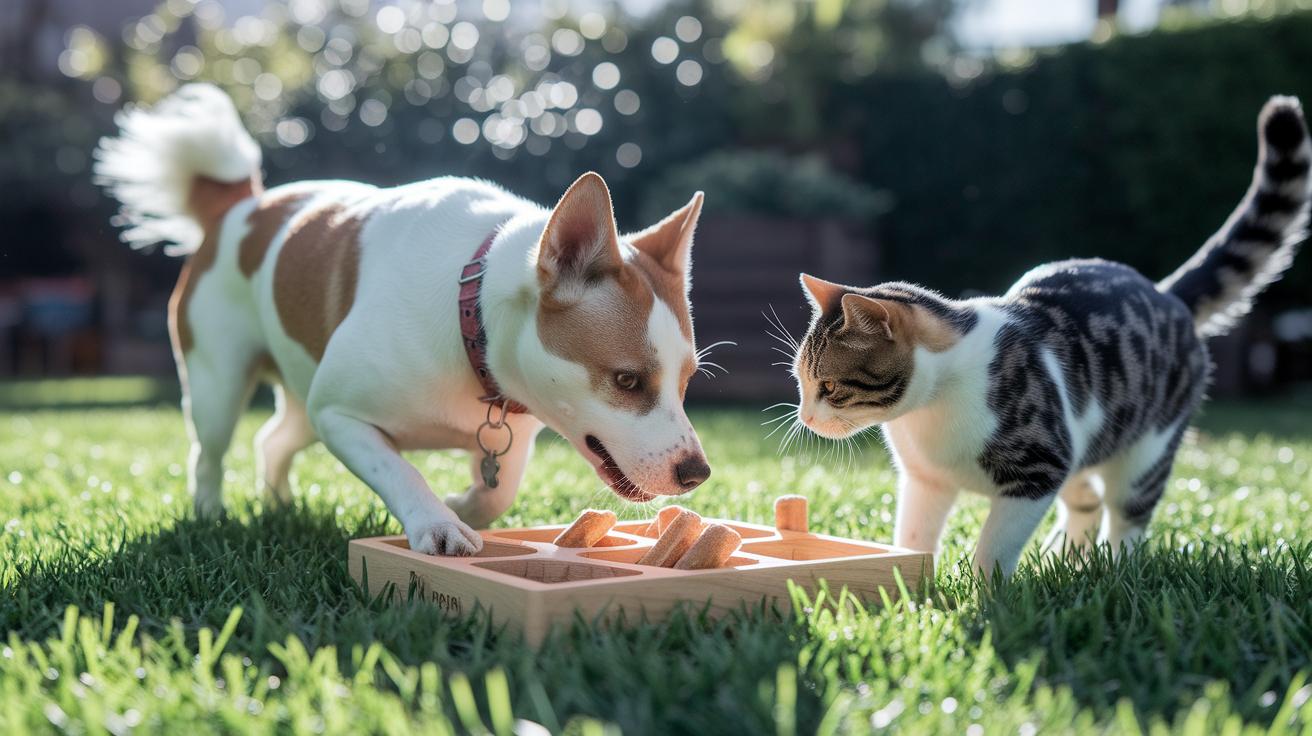
Playtime is more than just a break for your pet, it’s a key way to keep their mind active and their spirits high. When your pet tries fun activities outside of their usual walk, it helps them stay curious and even sharpens their problem-solving skills.
Have you ever tried a puzzle feeder? These clever toys make your pet figure out how to get hidden treats, turning snack time into a little treasure hunt. Scent games are another fun option. Your pet can use their nose to find a toy or treat, which challenges their natural instincts in a delightful way. And tug-of-war isn’t just a fun game, it helps strengthen their muscles and teaches them to focus and cooperate.
You can also mix things up by rotating their toys day by day. One day, introduce a bouncy ball with unpredictable movements; the next, try a squeaky toy that rolls in an amusing pattern. Changing the games keeps your pet engaged and prevents boredom.
Regular mental play can even help lower anxiety and create a happier environment for your pet. When you set aside time for these fun activities, your furry friend feels both challenged and content. Isn't it amazing how a bit of playful thinking can brighten your pet’s day?
Rest, Recovery and Sleep Enhancements for Pet Vitality
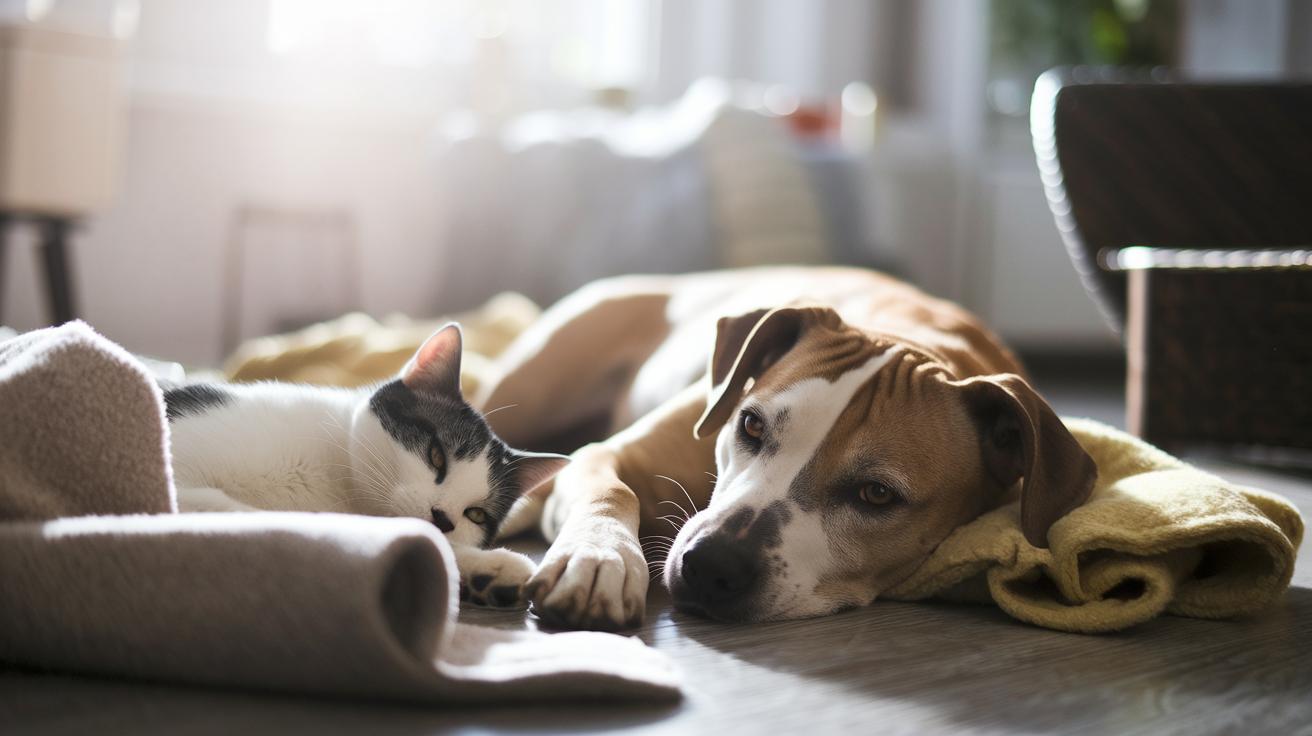
Have you ever noticed how a quick nap can boost your pet’s energy? When your furry friend takes a short, cozy break during the day, it helps them relax, ease muscle tension, and lower stress. Picture your pet curling up in a favorite spot after a fun play session, this little power nap keeps their energy up and supports healthy joints over time.
As the evening sets in, a calm, pre-bed routine tells your pet it’s time to unwind. A few minutes of gentle petting or quiet sitting together can make all the difference, much like settling down after a long day. This simple ritual creates a safe, predictable environment that helps improve their sleep quality.
After lots of active play, a cool-down period is key. A few easy stretches or a slow, short walk right after exercise can lower your pet’s heart rate and soothe their muscles. This cool-down helps ensure your pet wakes up refreshed and ready to enjoy a brand-new day.
Tracking Progress and Preventive Care Check-Ups for Vitality
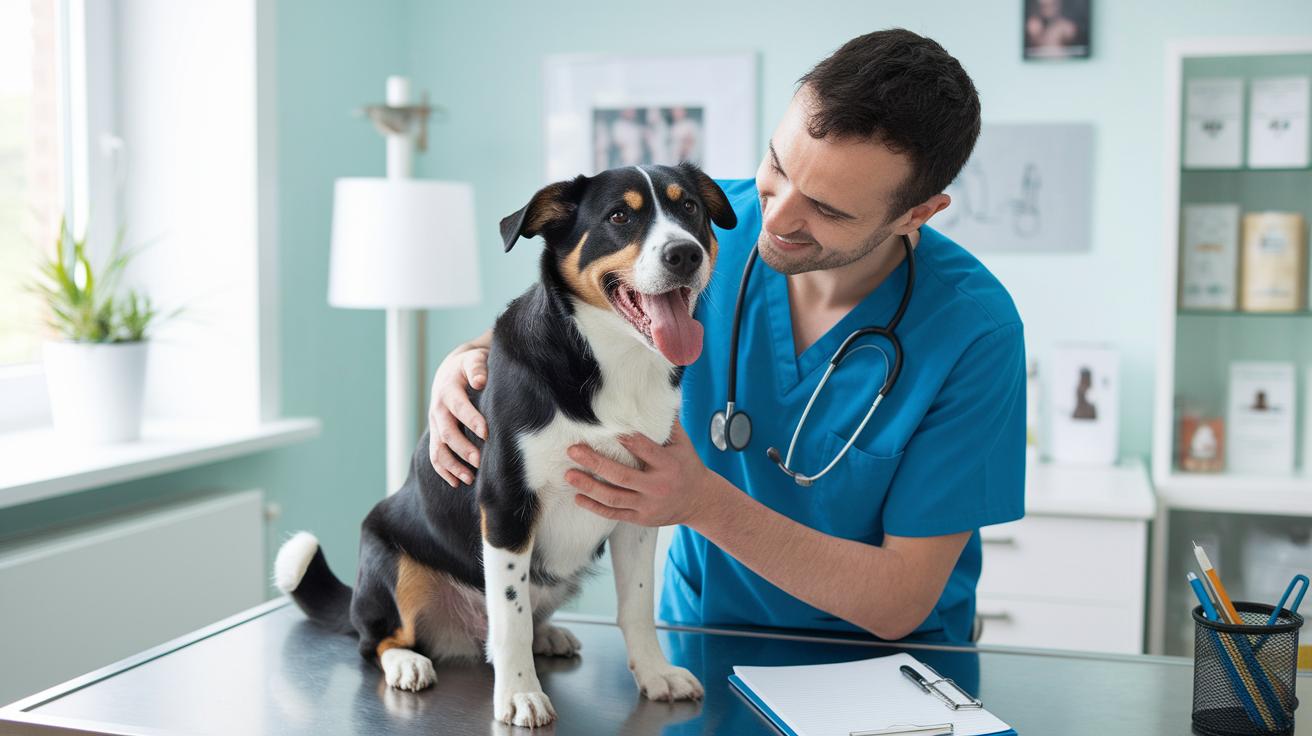
Regular vet visits are super important to catch any health issues early. Keeping a set schedule helps you spot those little changes in behavior or energy that might otherwise go unnoticed. Your vet is like a trusted friend, ready to offer simple tips that keep your pet feeling great. Routine check-ups set the stage for a proactive approach to pet care as your furry friend grows and changes.
A daily checklist can really help you keep an eye on your pet's overall well-being. Jot down details like their appetite, the shine of their coat, energy levels, and even their bathroom habits. If you notice something different, it might be a sign to talk to a professional, so you can handle any issues before they get worse.
Every pet is one-of-a-kind, so it really helps to customize their care based on age, breed, and lifestyle. Whether you have a sprightly puppy, an active adult, or a gentle senior, tweaking their exercise, diet, and rest can make a big difference. Work closely with your vet and check out resources like Pet Preventive Care to fine-tune a personalized plan. In truth, having a tailored schedule makes it easier to keep your pet happy, healthy, and full of energy every day.
Final Words
In the action, we explored a guide that breaks down practical pet care, from set meal times and energizing exercise to interactive play and calming rest. We also highlighted the value of regular check-ups for spotting early signs of any issue.
Keep an eye on daily routines to enhance pet vitality. With a steady schedule that fits your pet’s needs, you’re helping them live a happier, healthier life every day.
FAQ
What is the 3-3-3 rule for new pets?
The 3-3-3 rule for new pets means offering three key moments daily for feeding, play, and brief training. This balanced routine helps ease their transition and build confidence.
What is the 50 30 20 rule for pets?
The 50 30 20 rule for pets divides their day so that about 50% is for restful downtime, 30% for moderate exercise or play, and 20% for interactive social time or training sessions to keep them happy.
What is the 7 second rule for dogs?
The 7 second rule for dogs refers to the idea that if a dog picks up dropped food within seven seconds, it might still be safe to eat. Quick cleanups can also help keep your pet’s paws clean.
What is the best daily routine for a dog?
The best daily routine for a dog includes structured mealtimes, exercise sessions, interactive play, and quiet rest periods, which lower anxiety, support physical health, and strengthen your bond.