

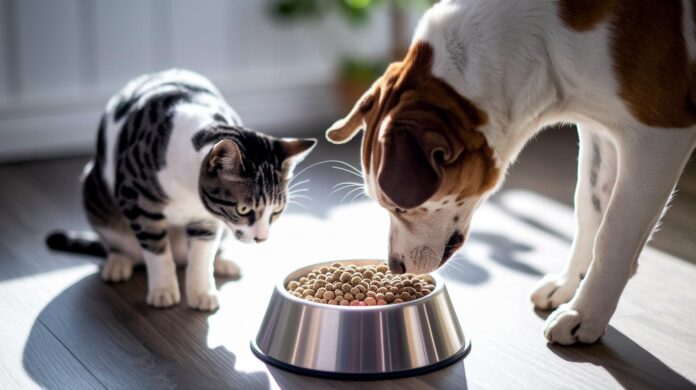

Have you ever thought about feeding your pet food that is as natural as something you might make at home? Many commercial pet foods include fillers and additives that might not be the best for our furry pals. Natural pet food gives you a wholesome option made from quality meats and fresh vegetables. It keeps all the good nutrients intact while supporting a healthier environment by using locally grown ingredients. This kind of diet helps keep your pet's tummy happy and their nutrition balanced, making each meal feel like it was lovingly prepared at home.
Natural Pet Food Overview: Health and Eco-Friendly Guidelines
Many regular pet foods go through a lot of processing and often include fillers, additives, and fake ingredients that can lower the food’s quality. Natural pet food, however, is made with high-quality meats and vegetables that are good enough for people too. These ingredients are raised without growth hormones or antibiotics (medicines to prevent disease). The food comes in different forms, raw, cooked, canned, or dry, and even the treats are made fresh every day in a local kitchen. Since there is little processing involved, the food keeps the good bacteria that help your pet’s digestion intact, offering a wholesome alternative for pet health.
Eco-friendly pet food is a key part of this approach. By using local ingredients and steering clear of unnecessary additives, these foods support both your pet’s wellbeing and the health of the environment. This method cuts down on long, fuel-heavy supply chains and reduces air pollution. In simple words, clean ingredients mean that every bite is not only nutritious for your furry friend but also kind to our planet.
Choosing a natural pet diet means you give your pet meals that feel as homemade as possible. Each recipe is designed to support a healthy tummy and balanced nutrition, and experts check to make sure the food meets complete and balanced standards. If you’re interested in learning more, you might want to explore holistic pet nutrition for extra tips on keeping your companion healthy inside and out.
Types of Natural Pet Food: Raw, Cooked, Canned, and Dry Varieties
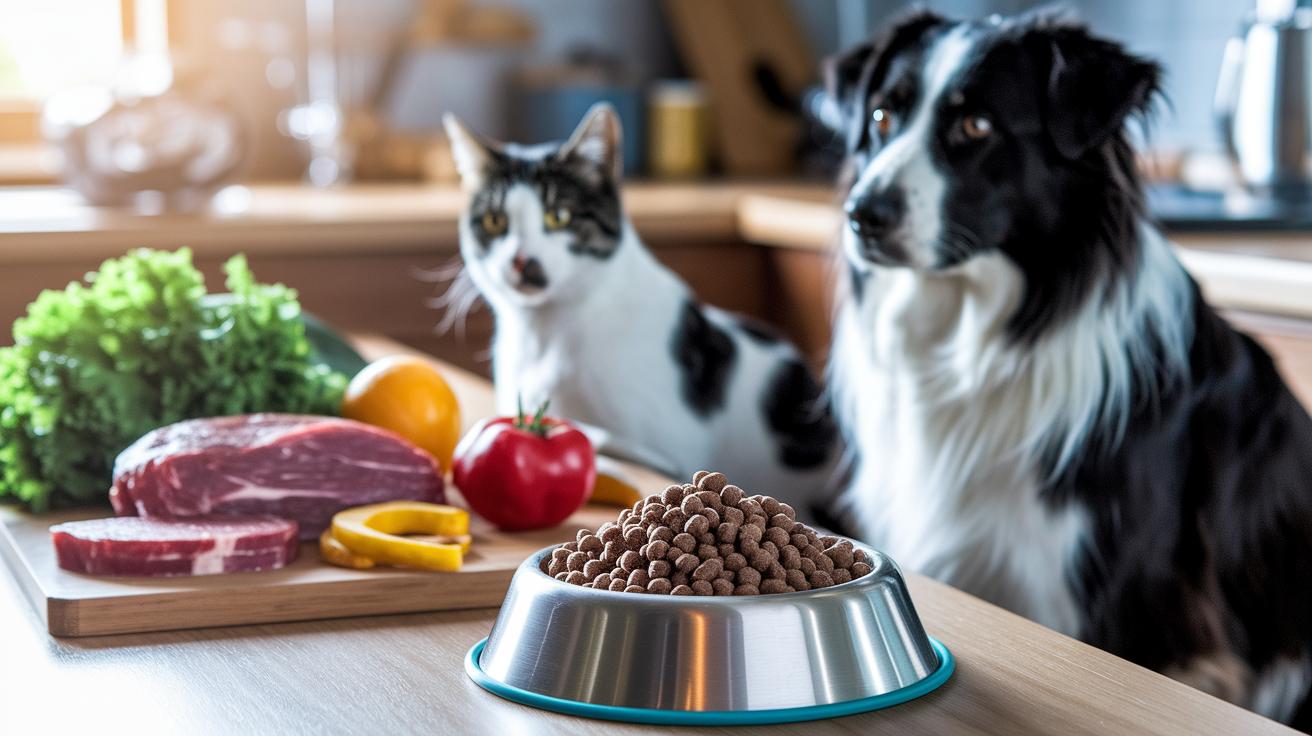
Natural pet food comes in different forms that can suit a variety of pet needs. Raw pet food is made from meats without hormones or antibiotics, and many pet parents love that it keeps natural enzymes and good bacteria intact. It can remind you of a freshly prepared meal at home, with nothing extra added.
Cooked and canned meals mix organic veggies with balanced supplements to create a full meal that's kind to sensitive tummies. These foods are prepared carefully to lock in all the nutrients your pet needs, and they are super convenient for busy days.
Dry foods made from freeze-dried or dehydrated ingredients are perfect for meal backups or quick snacks. Plus, you can easily mix bulk treats, chews, or even medicinal supplements (extra goodies that help with health issues) into your pet’s routine for a little extra variety.
| Type | Key Ingredients | Benefits | Typical Starting Price |
|---|---|---|---|
| Raw | Hormone- and antibiotic-free meats | High nutrient bioavailability and preserved enzymes | $75 (weekly box) |
| Cooked/Canned | Organic vegetables and balanced supplements | Easily digestible with balanced nutrition | $4-$6 per serving |
| Dry | Freeze-dried or dehydrated meats and veggies | Convenient storage and versatile use | $3 per serving |
Ingredient Transparency and Quality in Natural Pet Food
Every pet parent deserves to know what’s in their pet’s food. We believe you should always see exactly what goes into every meal. That’s why our approach to ingredient transparency is so important. Our weekly REALLY LOCAL RAW pet food boxes start at $75 and feature ingredients from nearby organic producers. Each box comes with top-notch items like meats free from hormones and antibiotics, along with USDA-quality vegetables that skip chemical preservatives and fillers.
We’re all about giving your furry friend a non-GMO diet made from naturally sourced ingredients. By keeping our recipes free of unwanted chemicals, we help support your pet’s healthy gut (that means a happy tummy) while protecting essential nutrients. We carefully trace every ingredient step-by-step, from the farm to your pet’s bowl, to make sure you get trustworthy information each time you feed your pet.
With strict quality checks in place, our focus on clear pet ingredients isn’t just a goal, it’s a promise. Using quality ingredients helps your pet stay healthy and happy, turning every meal into a celebration of great nutrition.
Homemade Natural Pet Food Recipes: Safety and Nutritional Guidelines
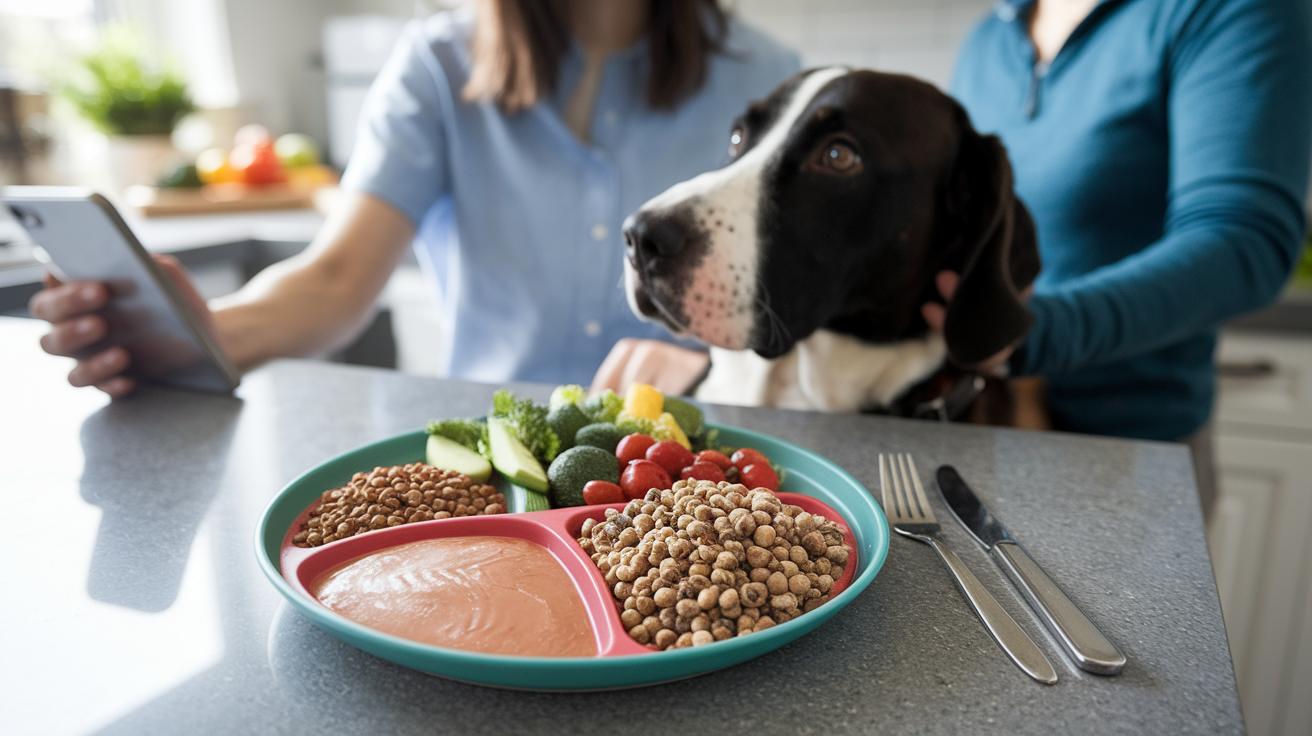
When planning your pet's meal, focus on a balance of protein, fats, vitamins, and minerals as recommended by AAFCO guidelines (AAFCO: the Association of American Feed Control Officials, which sets pet food standards). Use fresh, human-grade meats along with a mix of colorful veggies to support your pet's digestion and overall health. It’s like putting together a perfect plate that naturally covers your furry friend’s daily nutritional needs.
Switching your pet to a new homemade diet? Start slowly and mix a little of the new food with your pet’s usual meal over about seven days. Begin with just a small amount of the new mix and gradually increase it to help avoid any digestive upsets. Keep away from ingredients like onion and garlic, which can be harmful, and substitute with pet-safe alternatives instead.
Here’s a simple guide to building a balanced dish: use 2 cups of lean protein, 1 cup of vegetables, and 1 cup of grains, then add any supplements your vet recommends (these supplements are extra nutrients that support health). This mix gives your pet a complete meal that also helps with smooth digestion. Try out small amounts first to see how your pet reacts, and feel free to tweak the recipe to suit their unique tastes and needs.
Evaluating Natural Pet Food Brands: Key Criteria and Top Picks
When checking out natural pet food brands, we aimed to find those that balance yummy taste, good nutrition, and great value. We reviewed nine top natural dog food brands. For instance, Ollie offers personalized meal subscriptions, while Nom Nom delivers complete nutrition in wet food. Open Farm catches the eye with its grain-free kibble made from sustainably sourced meats starting at $3 per serving. Viva Raw serves USDA-inspected raw meals beginning at $6 per serving, and The Honest Kitchen is loved for its options that suit sensitive stomachs. Maev offers human-grade, USDA-certified meals for about $5 a serving, and PetPlate is popular for its wide variety of options.
We focused on three key areas in our review: nutritional balance, how well each brand suits different breeds and lifestyles, and overall quality as seen by experts. Want a deeper dive? Check out our guide on ultimate pet nutrition for more insights into what makes a pet food brand truly reliable.
Key factors we weighed include:
- Ingredient origin and quality
- Nutritional profile (protein, fiber, vitamins)
- Formulation transparency
- Price per serving
- Production and processing methods
- Expert and veterinary endorsements
- Subscription flexibility and delivery options
Each factor helped us decide which brands really deliver the best organic pet nutrition. Our team’s hands-on review makes it easier for pet parents to choose a natural pet diet that boosts long-term health and overall wellness.
Cost and Sustainability of Natural Pet Food Options
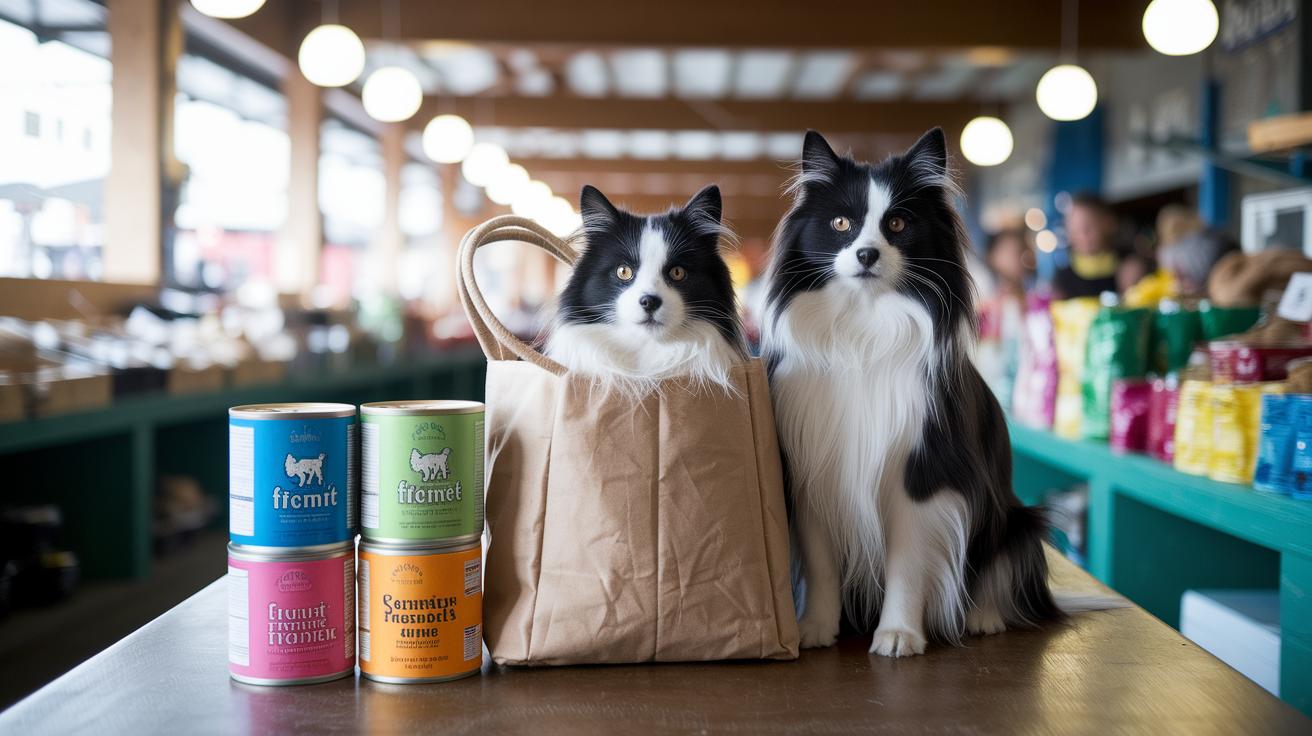
When you check the price of a pet food, it’s a clue to the care that goes into picking top-quality ingredients and using sustainable methods. A higher cost often means the brand spends time finding the best ingredients and handles every step with care. It’s a bit like paying a little extra for a fresh, local vegetable at your farmer’s market.
That extra expense supports efforts to lower the environmental impact. Brands that invest in ethical sourcing and low-carbon production show pet owners that they truly care. The price, then, becomes a window into the brand’s commitment to quality and care, almost like noticing the thoughtful touch of a chef preparing a favorite home-cooked meal.
Regulatory Standards and Expert Guidelines for Natural Pet Food
When making natural pet food, producers follow strict quality steps that really set their work apart from typical food processing. Each batch is carefully checked right on site and also sent for lab tests to verify that the proteins, fats, vitamins, and minerals are in the right amounts. It's a bit like a chef taking a small taste of a sauce to make sure the flavors are perfectly balanced.
Every ingredient is tracked from the moment it is chosen until the food is finished. The selections go through standards that are even higher than usual, often reaching the level of food fit for people. Meanwhile, the factory and the lab work together to spot any changes, ensuring that the food is as reliable as it should be before it reaches your pet's bowl.
This process is more detailed than what is seen in many standard pet foods, where shortcuts might sometimes occur. With techniques such as random ingredient sampling and thorough chemical tests during production, every step is backed by a panel of veterinary nutritionists. They make sure that the food not only meets all dietary claims but also delivers the high quality that pet owners count on.
For example, every batch's lab results are checked in real time, much like a chef doing one last taste test before serving a meal. This approach keeps the entire production process at the highest standard, ensuring your pet gets the very best.
Frequently Asked Questions About Natural Pet Food
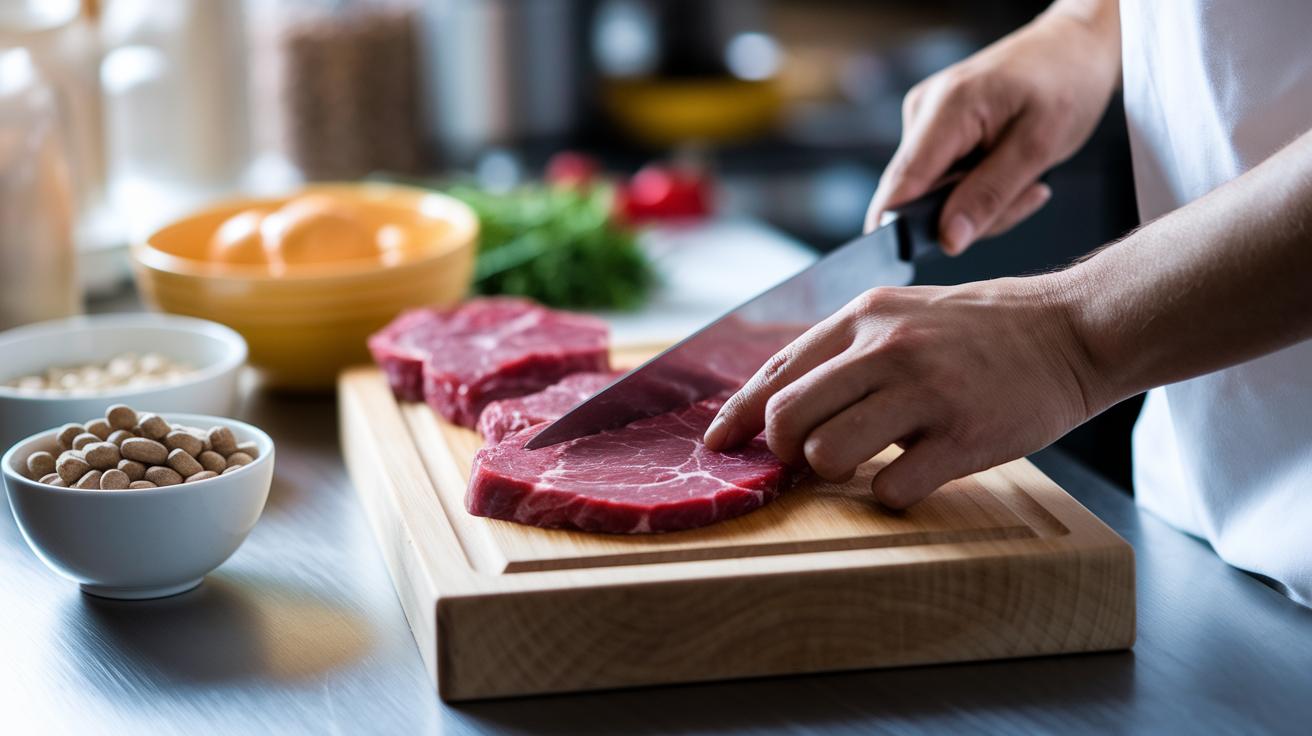
Many pet owners wonder if feeding raw food is safe for their pets. Raw diets usually use meats that are free from hormones and antibiotics so that natural enzymes (the helpful chemicals that break down food) remain intact. This makes raw food a healthy option. People often ask if a raw diet offers complete nutrition. It does when the recipes follow AAFCO guidelines (rules designed to ensure pet food has all the necessary nutrients), which means your pet gets balanced proteins, fats, vitamins, and minerals for every stage of life. But it’s not just the ingredients that matter, the way you prepare the food is also key in preserving nutrients and supporting a gentle digestive system.
Another common worry is managing allergies. Many natural diets are made to be allergy-friendly by avoiding common irritants and fillers, which benefits pets with sensitive stomachs and skin. Owners also ask how natural pet food compares in price to regular options. While natural foods might cost a bit more, many find the long-term benefits, like better health and weight control, are well worth the expense.
New pet parents often want to know how to safely switch to a natural diet. Experts recommend a gradual 7-day mix plan to help ease the transition so that your pet’s digestive system isn’t upset. Lastly, some wonder if consulting a veterinarian is necessary before changing diets. It’s usually a smart move to get professional advice, especially if your pet has existing allergies or chronic conditions, to help ensure a smooth transition.
Final Words
In the action, this article showed how natural pet food can boost your pet’s well-being while keeping meals eco-friendly. It broke down different types, from raw to dry, with clear guidance on ingredient quality, balanced homemade recipes, and smart brand evaluations. Plus, it talked about cost, sustainability, and kept things simple with FAQs to clear up doubts. Keeping your pet healthy is a rewarding experience, try these ideas for a happier, thriving companion.
FAQ
What is the best natural food for dogs?
The best natural food for dogs emphasizes high-quality, human-grade ingredients such as USDA-quality meats and vegetables, which support digestion and overall health without fillers or artificial additives.
What is the healthiest pet food brand?
The healthiest pet food brand features clear ingredient sourcing, balanced nutrition, and no added toxins. These brands prioritize transparency and quality to ensure your pet receives wholesome meals every day.
What natural pet food options are available for cats and dogs?
Natural pet food options for both cats and dogs include raw, cooked, canned, and dry varieties made with fresh, balanced ingredients that support healthy digestion, energy levels, and overall well-being.
What did people feed dogs before commercial dog food?
People fed dogs meals prepared from table scraps, raw meats, and home-cooked ingredients before commercial dog food became popular, ensuring that dogs received a varied diet based on available fresh food.
What does Oprah feed her dog?
Oprah reportedly chooses a natural, balanced diet for her dog that features high-quality, fresh ingredients, reflecting a commitment to healthy nutrition and careful ingredient selection for optimal pet wellness.
Where can I find a natural pet food store near me?
You can find a local natural pet food store by using online search tools or store locators. Many retailers now offer both physical locations and online options to shop for healthy pet meals.
What are some key features of organic and raw dog food options?
Organic and raw dog food options focus on minimally processed, hormone-free ingredients that retain essential nutrients. These meals support natural digestion and weight management and come in varied forms like dry, wet, or frozen.
How can I review natural pet food products before buying?
Reviewing natural pet food products often involves checking online photos, ingredient lists, and customer feedback. This resourceful approach helps you verify quality and make informed choices for your pet’s nutrition.