



Have you ever thought that a few simple daily habits might help your pet feel their best? Imagine starting the morning with a brisk walk, a nourishing meal, and some fun playtime together. These easy routines build trust with your pet and help reduce any worries, making them feel safe all day.
Breaking the day into moments for exercise, brain games, and quiet time really sets the stage for lasting health. A steady routine not only lifts your pet’s mood but also builds the foundation for a healthier, happier life.
Structuring Daily Routines for Radiant Pet Health

When you set up a daily routine for your pet, you build trust and help calm their worries. A steady schedule makes your furry friend feel safe and ready to enjoy each day. Think of starting the morning with a brisk 20–30 minute walk and a tasty, healthy meal. This little ritual is like a good breakfast for you, it wakes up their body and brightens their mood. When you break up the day into parts for meals, play, exercise, and quiet time, you're giving your pet a simple recipe for better health and happiness.
Imagine each day as a mini adventure for your pet: in the morning, a refreshing walk sparks their energy; mid-day, a quick puzzle or trick keeps their brain active; in the afternoon, a fun play session strengthens your bond; and at night, a calm routine helps them settle in for a restful sleep. These regular activities not only support your pet’s body but also make them feel loved and understood.
- Morning: Enjoy a 20–30 minute walk and a meal that fuels energy.
- Midday: Spend about 10 minutes on a simple puzzle or trick training to keep their mind sharp.
- Afternoon: Dedicate roughly 30 minutes to play or exercise, which helps maintain a healthy weight and deepens your bond.
- Evening: Wind down together for some quiet time, preparing your pet for a calm night’s sleep.
Sticking to this routine means your pet learns what to expect, making them less anxious and more excited about each part of the day. Over time, even small changes, like extending playtime when your pet feels extra energetic, can really boost their behavior and overall well-being. It’s a simple way to turn a hectic day into a comforting rhythm, much like the gentle care you give while tending a garden.
Balanced Pet Nutrition in Daily Pet Care Routines
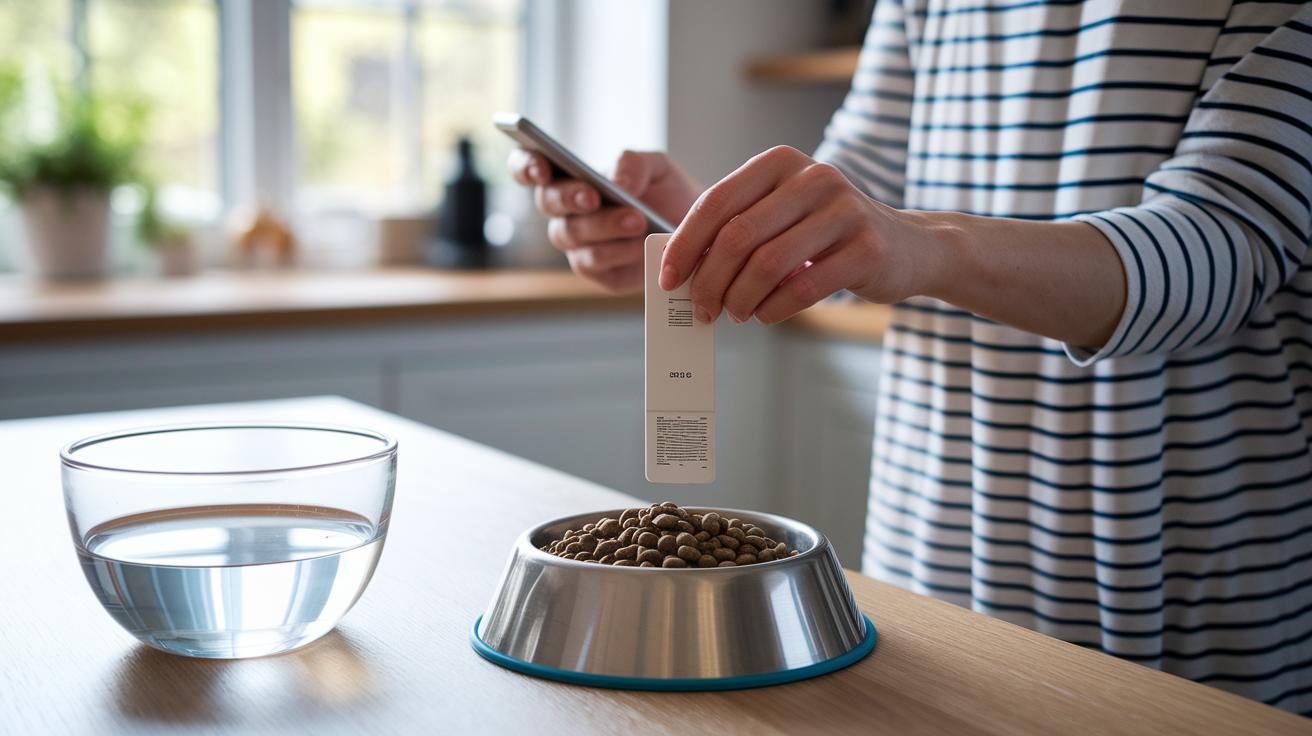
Feeding your pet the right way is the cornerstone of their daily care. Serving balanced meals helps keep their metabolism steady and prevents overfeeding. Feeding them two or three times a day spreads out their energy and helps them maintain a healthy weight. It’s crucial to control portions, so adjust serving sizes by about 5 to 10 percent based on how active they are. A blend of nutrient-packed foods along with a few select supplements can make their coat shinier and support their immune system.
| Meal Time | Example Foods | Portion Guidelines |
|---|---|---|
| Breakfast | Oatmeal with a bit of fruit or scrambled eggs | One-third of daily calories, adjusted for activity level |
| Lunch | Lean meat like chicken mixed with veggies | One-third of daily calories, moderate serving |
| Dinner | Fish with a side of rice or sweet potato | One-third of daily calories, slightly less if less active |
Don’t forget hydration. Offering fresh water several times a day supports healthy organs and keeps your pet light and lively. Adding supplements such as omega-3 or probiotics (good bacteria that help with digestion) can give your pet an extra boost in health. These nutritional extras help uplift your pet’s vitality, ensuring they’re happy and healthy every day.
Daily Exercise and Mental Stimulation for Pet Wellness

If your pet already enjoys their daily walks, try mixing up the route or going a little longer. You can even add short bursts of faster movement. Imagine a 30-minute walk that includes an extra five minutes of a brisk pace, similar to a playful sprint in the park. This small change can be a fun way to boost your pet’s fitness.
Give your pet's mind a workout by stepping up the challenge with their puzzle games. Instead of sticking to the same easy puzzles, try switching them out or even introducing a slightly tougher challenge for about 5 to 10 minutes. For instance, consider a puzzle where your pet needs to push a lever before earning a treat. This type of challenge not only sharpens their problem-solving skills, but it also keeps their mind engaged.
You can blend these advanced tips into your pet’s daily routine. On one day, try a longer interval walk combined with a more challenging puzzle, and on another day, enjoy a calm walk with simpler games. This way, both the body and mind stay active and happy.
Pet Grooming and Hygiene Practices for Healthy Pet Routines

Keeping your pet clean and groomed is key to their comfort and overall well-being. Regular grooming not only makes them look neat but also helps keep health issues at bay by removing loose fur, soothing their skin, and even keeping their teeth healthy. A simple routine each week can make a big difference in spotting any early signs of skin or dental trouble.
- Brush your pet two to three times a week. This helps get rid of stray hair, stops mats from forming, and spreads natural oils that keep their coat smooth and shiny. Think of it as a gentle massage for your furry friend!
- Give your pet a bath about once a week using a mild, pet-safe shampoo. Bathing helps maintain the right balance for their skin and reduces the chance of irritations. If you’re curious for more tips, there are plenty of easy grooming guides out there.
- Trim your pet's nails every four weeks. This simple step can make a big difference by preventing discomfort and helping them walk and run without any issues.
- Gently brush your pet’s teeth two to three times each week. This practice is just like brushing your own teeth to avoid cavities, it helps keep your pet’s mouth healthy and free from dental problems.
Besides these routines, using coat conditioners or natural oils can really help lock in moisture and boost your pet’s natural shine. A little extra care right after a bath can transform their coat into a clear sign of your loving commitment to their overall health.
Preventive Care and Regular Checkups in Pet Health Maintenance
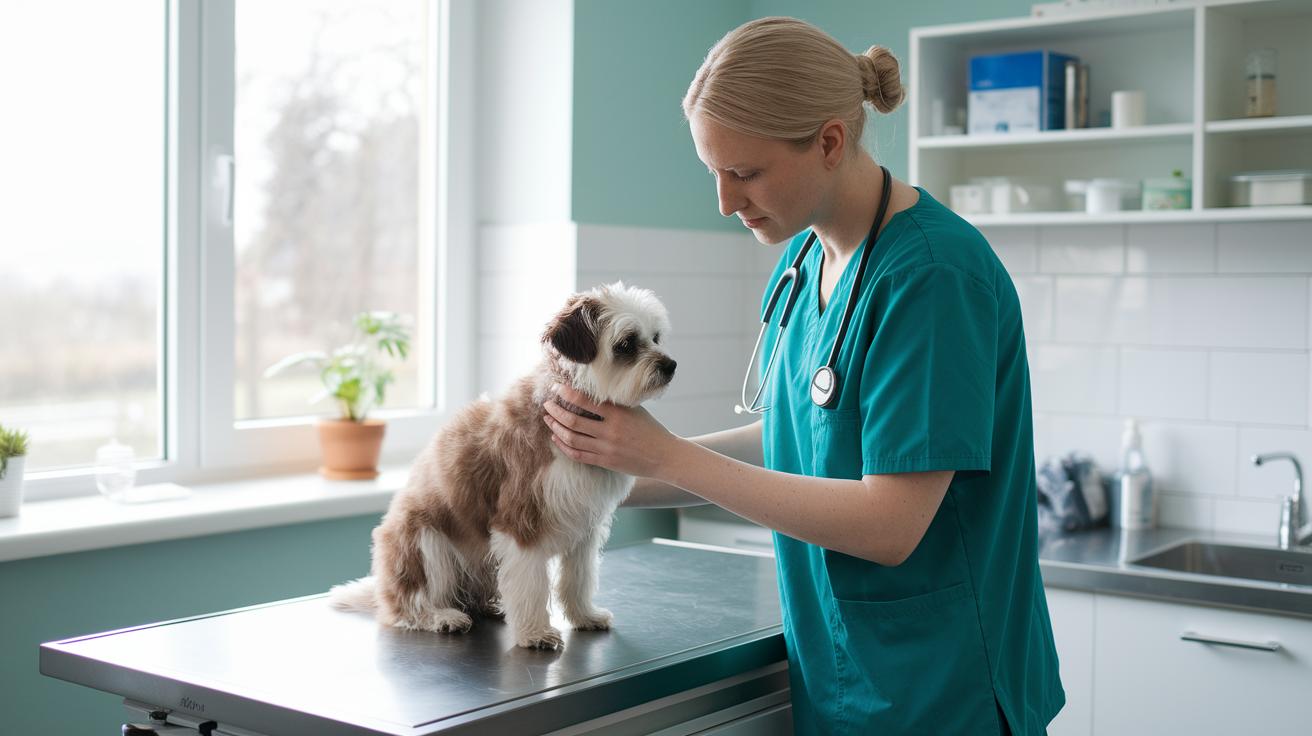
Taking your pet for regular checkups is really important, it helps you spot potential issues before they turn serious. Having a vet see your pet every six months keeps their shots up to date and lets you catch small health changes early. Even tiny shifts like a little weight loss or acting a bit off can be noticed when a professional checks them out regularly. This hands-on approach helps keep your pet on a smooth health path and stops problems from suddenly becoming costly.
At-home exams work well with regular vet visits. Spend just a few minutes each week gently checking your pet for any lumps, unusual ear gunk, or skin spots. A soft touch can help you notice even minor changes quickly. Plus, using monthly flea and tick preventives cuts down the risk of itchy skin and pesky parasites (bugs that can cause irritation). Doing these simple checks together builds a solid care routine that not only eases your pet’s stress but also helps them live a healthier, happier life.
Enhancing Emotional Well-Being Through Daily Pet Engagement
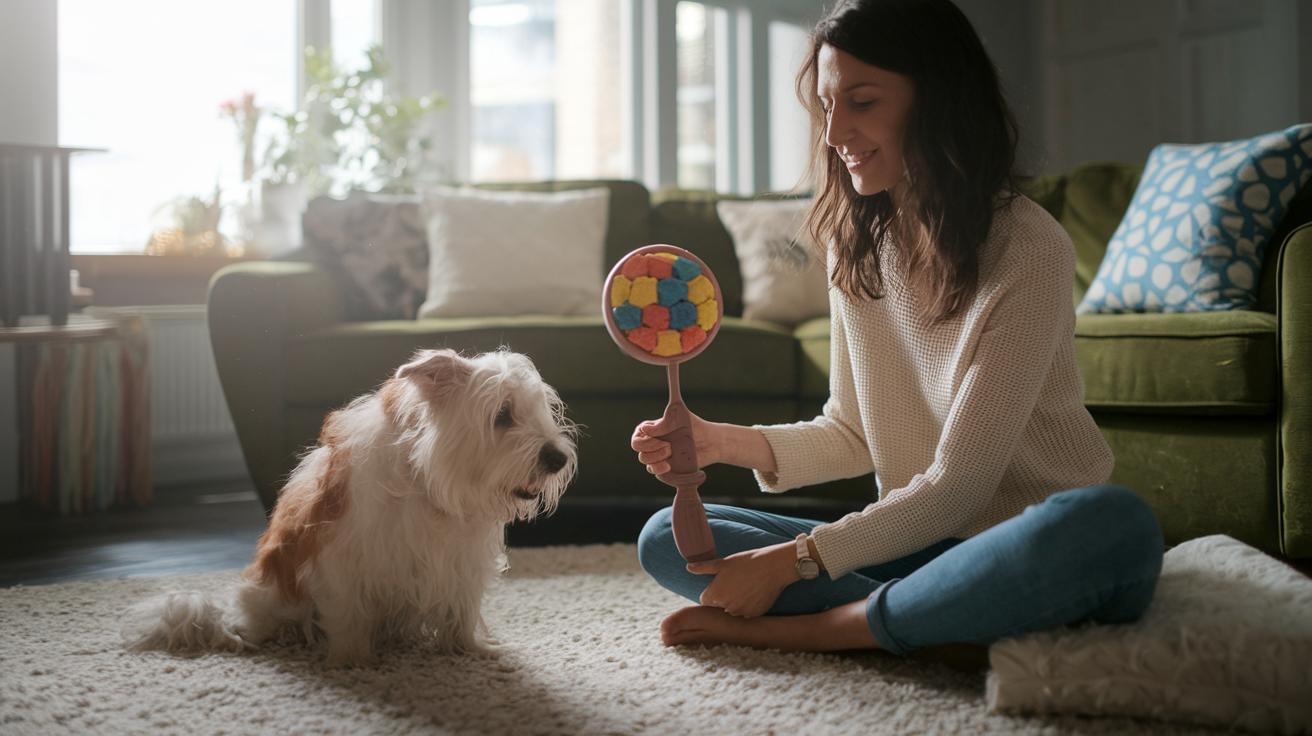
Interactive play is a great way to give your pet’s brain a workout while helping to ease stress. Puzzle toys or treat-dispensing games, even during your work hours, can keep your furry friend busy and prevent boredom. For example, you might try a toy that makes your pet push a button to release a treat, and you’ll see how their eyes light up when they figure it out, it really lifts their mood.
A short relaxation session can do wonders too. A gentle massage or a few minutes of calm petting can lower stress hormones (like cortisol) and help your pet settle down. Imagine spending 5 to 10 minutes giving your pet a soft back rub, much like smoothing out the wrinkles in your favorite cozy sweater. These quiet moments not only help relieve tension but also deepen the bond you share.
Regular social interaction is another key to a happy pet. Think about setting up fun playdates or joining a short training class to boost your pet’s social skills and mental health. Seeing your pet happily interact with others creates a joyful vibe that lasts throughout the day and strengthens your connection even more.
Tailoring Daily Routines for Life Stages and Seasonal Adjustments in Pet Care

Puppy Routines
Puppies love their play and short breaks throughout the day. They need a quick potty stop or fun play session for about 5 to 10 minutes every two hours. Feeding them often keeps their energy high and their little bellies happy. Mixing in simple, fun training with gentle praise not only helps them learn basic commands but also makes them feel loved. A bit of extra attention now sets them up for a lifetime of health and happiness.
Adult Pet Adjustments
Adult pets enjoy a steady routine to keep them balanced. A couple of 30-minute walks each day help maintain their fitness and spark a bit of adventure. Throw in some easy puzzle games or training tricks to give their minds a little workout. As the seasons change, a few tweaks can make a big difference. In the summer, try to avoid the hot midday sun by scheduling walks early or later in the day, and offer cool, shady spots with plenty of water. In winter, indoor games and gentle activities can keep your pet active and cozy while the weather outside is chilly.
Senior Pet Schedule
Older pets benefit from a gentler routine that respects their changing needs. Slow, relaxed walks and light stretching help keep their joints comfortable without overexerting them. Adding joint-support treats or supplements (foods that help ease joint pain) can make a real difference. When it’s cold outside, consider using booties to protect their paws and a bit of moisturizer for any dry skin. Tailoring your senior pet’s daily routine by age and season shows them the love and care they deserve at every stage of life.
Monitoring and Adjusting Daily Routines for Consistent Pet Wellness

Keeping a daily log, whether you use a handy smartphone app or a good old-fashioned journal, can really help you understand your pet’s daily mood and energy levels. Try noting down things like meal times, how long you walked together, and even little changes in their mood. For example, you might notice that your furry friend appears extra cheerful after a lively walk or a quick play session. These notes give you a clear picture of what keeps them happy and healthy.
Taking a moment each day to review your log helps you see when small adjustments might be helpful. If you find that your pet is a bit less energetic or their appetite changes, consider tweaking the routine by just five or ten minutes. Maybe extend that walk a little or squeeze in an extra burst of play. Little changes like these help build a consistent routine that keeps your pet feeling secure and loved.
Final Words
In the action described in the post, we unpacked a day filled with beneficial pauses for meal times, engaging play, grooming, checkups, and even special attention for every life stage. We learned that setting clear daily routines for maintaining radiant pet health can ease stress and boost energy.
Steady, simple steps make a big difference in your pet's wellbeing. Keep experimenting with these routines to see your pet thrive day after day.
FAQ
Frequently Asked Questions
What is the 50 30 20 rule for pets?
The 50 30 20 rule for pets means splitting care into segments: 50% for exercise and play, 30% for structured routines like feeding and grooming, and 20% for rest and bonding.
What is the 7 second rule for dogs?
The 7 second rule for dogs advises a brief pause after a startling event before engaging. This pause lets dogs settle, helping them stay calm and reducing impulsive reactions.
What should a dog’s daily routine look like?
A dog’s daily routine should include a morning walk and meal, midday mental activities, afternoon play or exercise, and an evening wind-down, ensuring balanced energy use and calm behavior.
How to create a pet care routine that promotes health and happiness?
Creating a pet care routine starts with consistent, scheduled segments for feeding, exercise, mental stimulation, and rest. This reliable schedule builds trust, eases anxiety, and supports overall wellness.